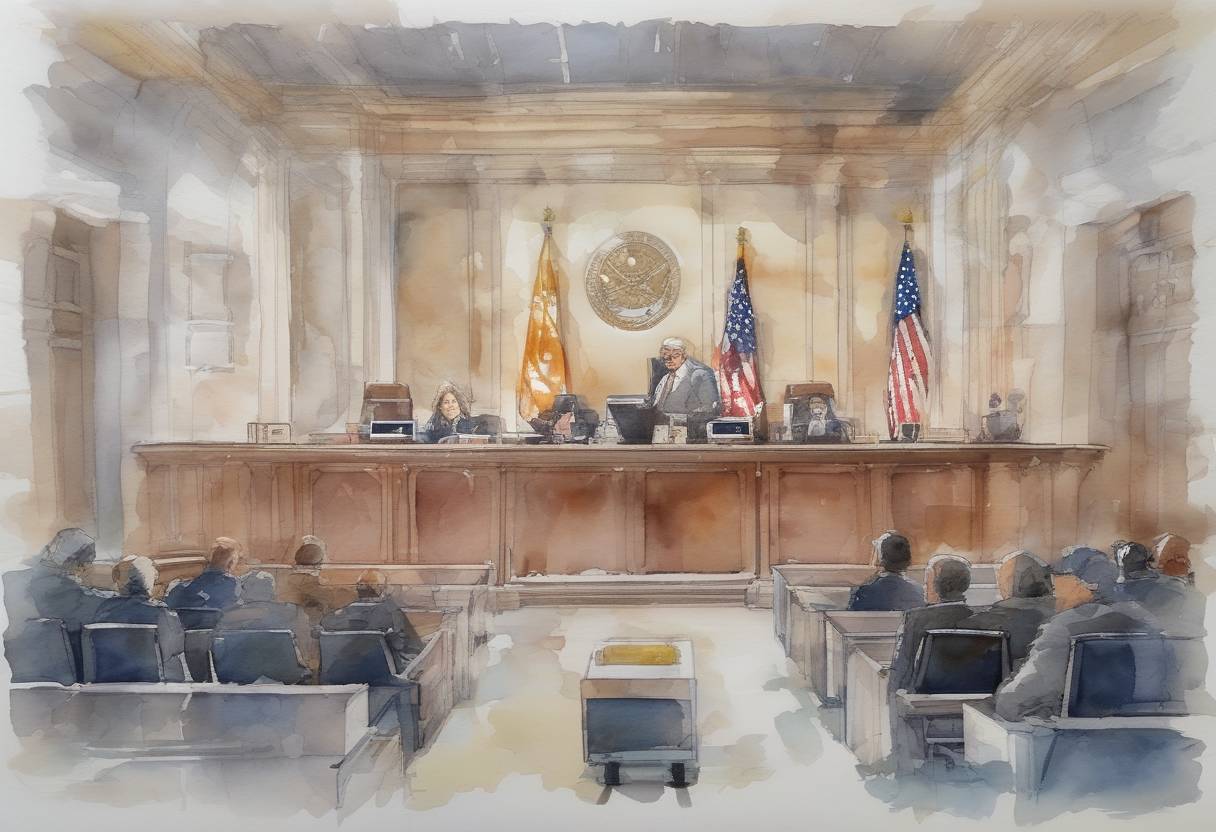
The International Court of Justice’s Ruling on U.S. Sanctions Against Iran (October 3, 2018)
On October 3, 2018, the International Court of Justice (ICJ), the principal judicial organ of the United Nations, issued a significant ruling concerning the United States’ sanctions against Iran. This decision came after Iran filed a legal challenge against the U.S., arguing that the sanctions re-imposed by the Trump administration violated the 1955 Treaty of Amity, Economic Relations, and Consular Rights between the two nations.
Background
The 1955 Treaty of Amity: This treaty was established to promote economic relations and consular rights between the United States and Iran. Despite the deterioration of diplomatic relations following the 1979 Iranian Revolution, the treaty remained in effect.
U.S. Withdrawal from the JCPOA: In May 2018, President Donald Trump announced the withdrawal of the United States from the Joint Comprehensive Plan of Action (JCPOA), commonly known as the Iran nuclear deal. Following this, the U.S. reinstated sanctions that had been lifted under the agreement.
Iran’s Legal Challenge: Iran brought the case to the ICJ in July 2018, claiming that the U.S. sanctions were causing severe economic harm and violated the 1955 treaty.
The ICJ’s Ruling
Provisional Measures: The ICJ ordered the United States to remove any impediments arising from its sanctions that affected the importation of humanitarian goods and services into Iran. This included medicines, medical devices, foodstuffs, and agricultural commodities.
Civil Aviation Safety: The court also mandated that the U.S. ensure the safety of civil aviation by lifting sanctions that hindered the maintenance and repair of Iranian aircraft, as these were deemed essential for the safety of Iranian civil aviation.
Binding Nature: While the ICJ’s rulings are binding, the court lacks the power to enforce them. Compliance depends on the willingness of the states involved.
Broader Implications
Diplomatic Tensions: The ruling highlighted the ongoing tensions between the U.S. and Iran, particularly in the context of the broader geopolitical landscape and nuclear non-proliferation efforts.
Humanitarian Concerns: The decision underscored the importance of distinguishing between sanctions that target governmental policies and those that inadvertently affect civilian populations, particularly in terms of access to essential goods and services.
International Law and Treaties: The case emphasized the role of international law and treaties in mediating disputes between nations, even when political relations are strained.
Aftermath
Following the ICJ’s ruling, the United States dismissed the court’s decision, arguing that the ICJ lacked jurisdiction over its national security decisions. The U.S. subsequently announced its intention to terminate the 1955 Treaty of Amity with Iran. Despite the ruling, the sanctions largely remained in place, continuing to affect Iran’s economy and its civilian population.
This event is a critical example of the complexities involved in international law and diplomacy, illustrating how legal frameworks interact with geopolitical strategies and humanitarian considerations.