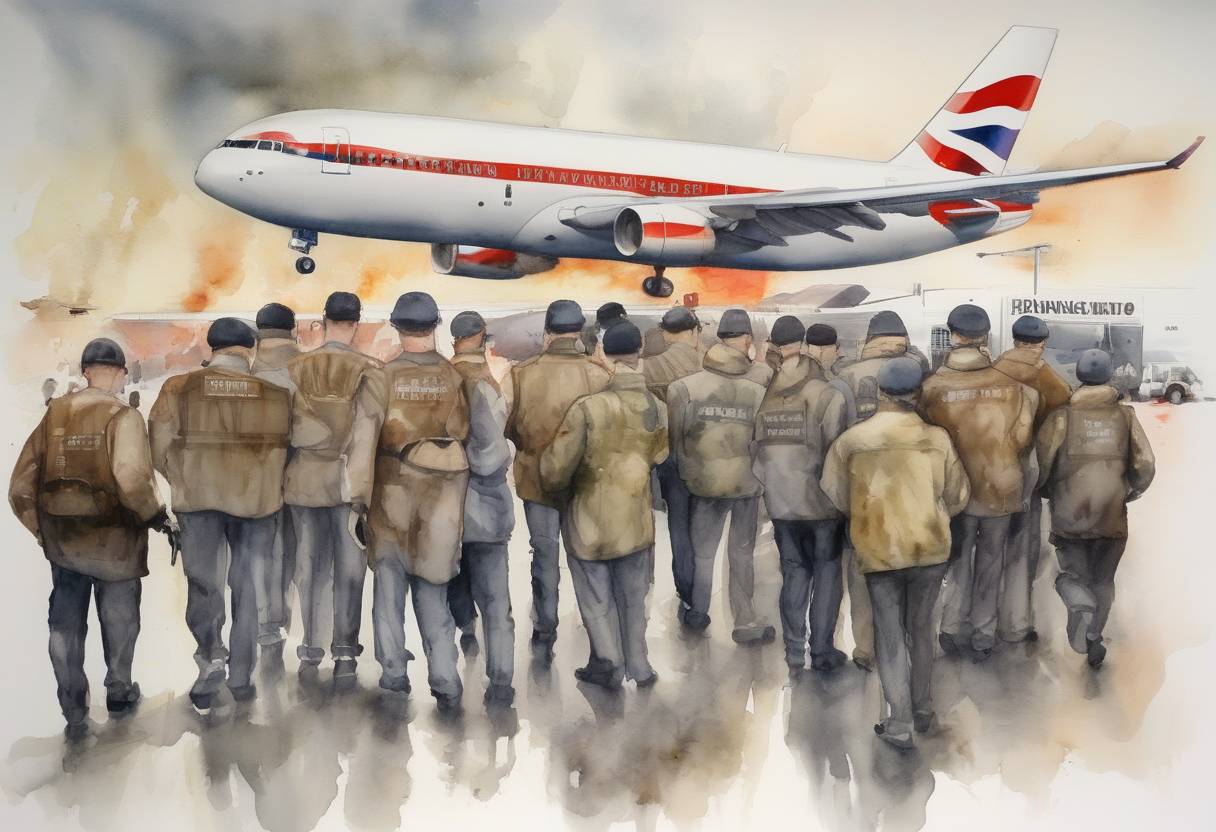
August 11, 2006: Arrest of Suspects in Transatlantic Airliner Plot
On August 11, 2006, British authorities arrested 24 individuals suspected of planning to detonate liquid explosives on transatlantic flights departing from the United Kingdom to the United States and Canada. This event marked a significant moment in the ongoing global fight against terrorism and had profound implications for international air travel security.
Background
The plot was uncovered through a collaborative intelligence operation involving British security services, the United States, and Pakistan. The conspirators intended to smuggle liquid explosives disguised as beverages onto multiple flights, with the aim of detonating them mid-air. The plan, if successful, could have resulted in catastrophic loss of life.
Key Events Leading Up to the Arrests
Intelligence Gathering: The investigation began months prior, with intelligence agencies monitoring communications and movements of the suspects. The plot was believed to be in its final stages, prompting authorities to act swiftly.
International Cooperation: The operation highlighted the importance of international intelligence sharing. The UK worked closely with the US Department of Homeland Security and Pakistani authorities to track and understand the network involved.
The Arrests
Execution: In a series of coordinated raids across London, Birmingham, and High Wycombe, police arrested 24 individuals. The operation was conducted by the Metropolitan Police Service’s Anti-Terrorist Branch and MI5.
Evidence Seized: Authorities seized materials believed to be intended for use in the plot, including chemicals and equipment for assembling explosive devices.
Aftermath and Consequences
Immediate Impact on Air Travel: In response to the plot, the UK and US implemented stringent new security measures. Passengers were prohibited from carrying liquids, gels, and aerosols in their hand luggage, a policy that remains in place in various forms today.
Legal Proceedings: Of the 24 arrested, several were charged and later convicted of conspiracy to murder and other terrorism-related offenses. The trials revealed the extent of the planning and the potential devastation that was narrowly averted.
Long-term Security Changes: The plot led to a reevaluation of airport security protocols worldwide, emphasizing the need for vigilance against innovative terrorist tactics.
Broader Historical Significance
The foiled plot underscored the persistent threat posed by international terrorism in the post-9⁄11 world. It demonstrated the effectiveness of intelligence-led policing and international cooperation in preventing terrorist attacks. The incident also served as a catalyst for the development of new security technologies and procedures aimed at safeguarding air travel.
In summary, the events of August 11, 2006, were a critical reminder of the ongoing challenges in countering terrorism and the importance of global collaboration in ensuring public safety.