President Richard Nixon Rejects Appeals Court Demand
1973 · Washington, D.C., United States
President Richard Nixon rejected an Appeals Court demand to turn over the Watergate tapes.
January 8, 1973
The trial of seven men accused of illegal entry into Democratic Party headquarters at the Watergate complex began, marking a significant event in the Watergate scandal.
Washington, D.C., United States | United States Government
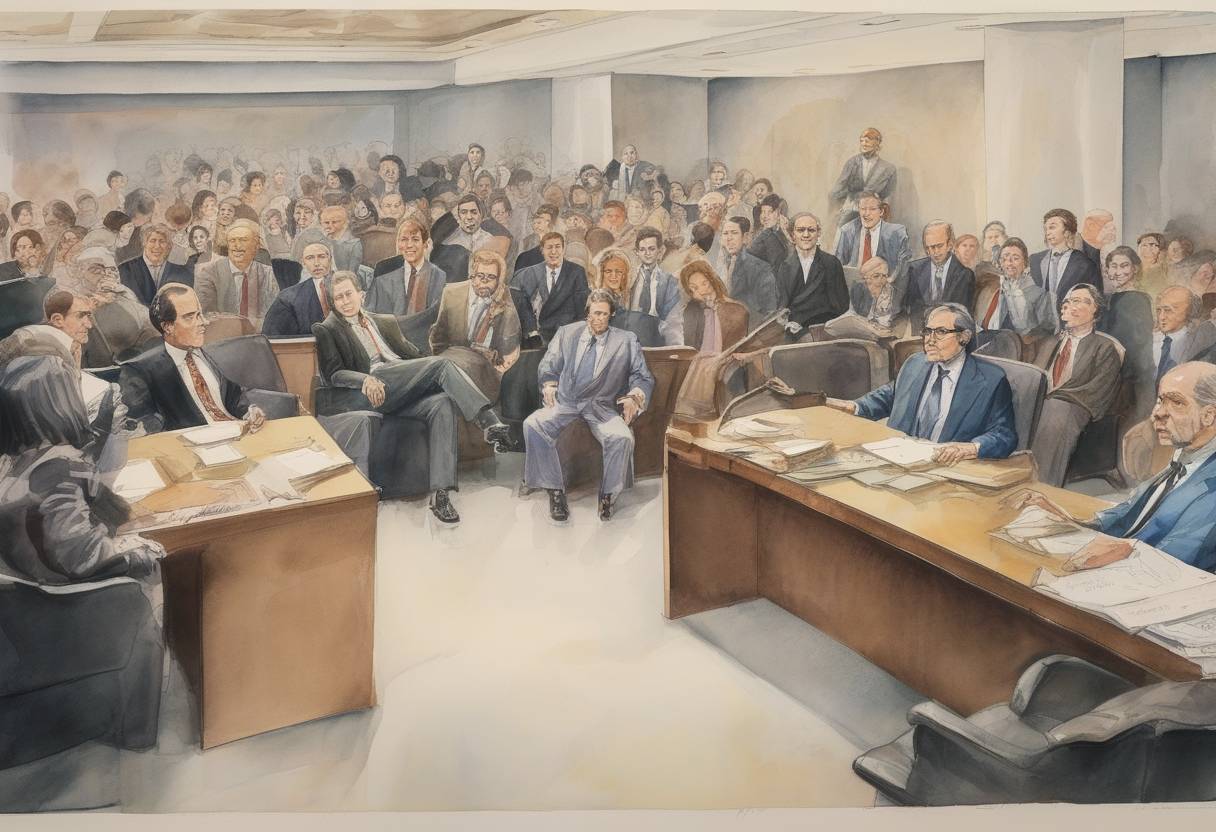
On January 8, 1973, the trial of seven men accused of breaking into the Democratic National Committee headquarters at the Watergate complex in Washington, D.C., commenced. This event marked a pivotal moment in the unfolding Watergate scandal, which would eventually lead to the resignation of President Richard Nixon.
The Watergate scandal began with a break-in at the Democratic National Committee headquarters on June 17, 1972. The burglars were caught attempting to wiretap phones and steal documents. The incident initially seemed like a minor political espionage operation, but it soon unraveled into a major political scandal involving the Nixon administration.
The seven men on trial were:
The trial was presided over by Judge John J. Sirica, who played a crucial role in uncovering the broader conspiracy. During the proceedings, it became evident that the break-in was part of a larger campaign of political sabotage and espionage orchestrated by members of the Nixon administration.
The trial’s revelations led to further investigations by the Senate Watergate Committee and the appointment of a special prosecutor. These investigations uncovered widespread abuses of power by the Nixon administration, including the use of government agencies to harass political opponents and the existence of a secret White House taping system.
The trial that began on January 8, 1973, was a crucial step in unraveling the Watergate scandal, highlighting the importance of judicial integrity and the rule of law in maintaining democratic accountability.
Source: en.wikipedia.org