Eradication of Smallpox: A Historic Milestone in Public Health
1979 · Geneva, Switzerland
The World Health Organization certifies the global eradication of smallpox, marking a significant victory in public health.
October 26, 1977
The last natural case of smallpox was diagnosed in Merca, Somalia, marking a major milestone in the eradication of the disease.
Merca, Somalia | World Health Organization
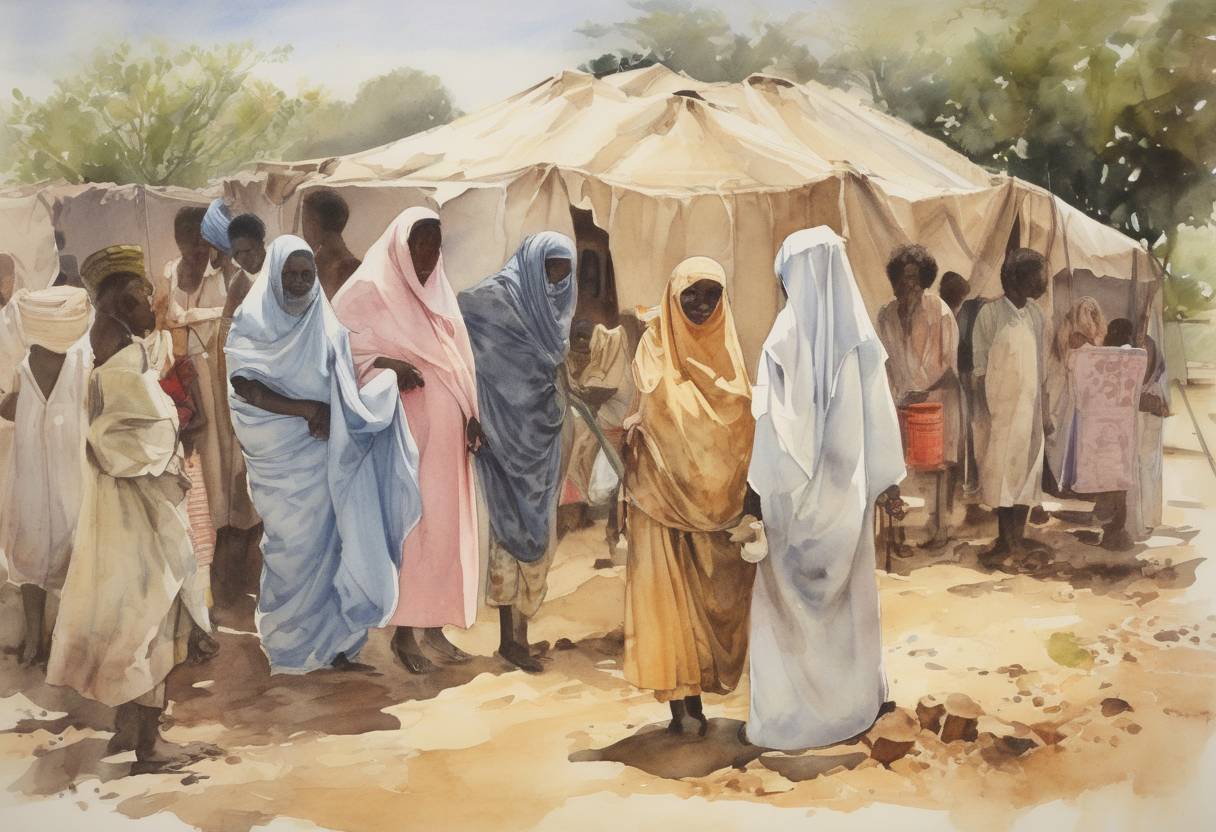
On October 26, 1977, a significant milestone in medical history was achieved when the last natural case of smallpox was diagnosed in Merca, Somalia. This event marked a pivotal moment in the global effort to eradicate one of the deadliest diseases known to humanity.
Smallpox, caused by the variola virus, was a highly contagious and deadly disease that plagued humanity for centuries. Characterized by fever and a distinctive skin rash, it had a mortality rate of about 30% and left many survivors with permanent scars or blindness. The disease had a profound impact on societies, causing widespread fear and suffering.
The eradication of smallpox was made possible through a global vaccination campaign led by the World Health Organization (WHO). Initiated in 1967, the campaign aimed to vaccinate populations worldwide, particularly in regions where smallpox was still endemic. The strategy involved mass vaccination and surveillance to quickly identify and contain outbreaks.
The last natural case of smallpox was identified in a young man named Ali Maow Maalin in the town of Merca, Somalia. Maalin, who worked as a hospital cook, contracted the disease but fortunately survived. His case was quickly contained through isolation and vaccination of contacts, preventing further spread.
Following the diagnosis of Maalin, an intensive search for additional cases was conducted globally, but none were found. In December 1979, the WHO officially declared smallpox eradicated, making it the first disease to be eliminated through human efforts. This achievement demonstrated the power of coordinated global health initiatives and set a precedent for future disease eradication efforts.
The eradication of smallpox had profound implications for public health. It saved millions of lives and eliminated the need for smallpox vaccination, which had been associated with risks and side effects. The success of the campaign also provided valuable lessons in disease control and prevention, influencing strategies for combating other infectious diseases.
The eradication of smallpox remains one of the greatest triumphs in medical history, showcasing the potential of international collaboration and the impact of vaccines in improving global health.
Source: en.wikipedia.org