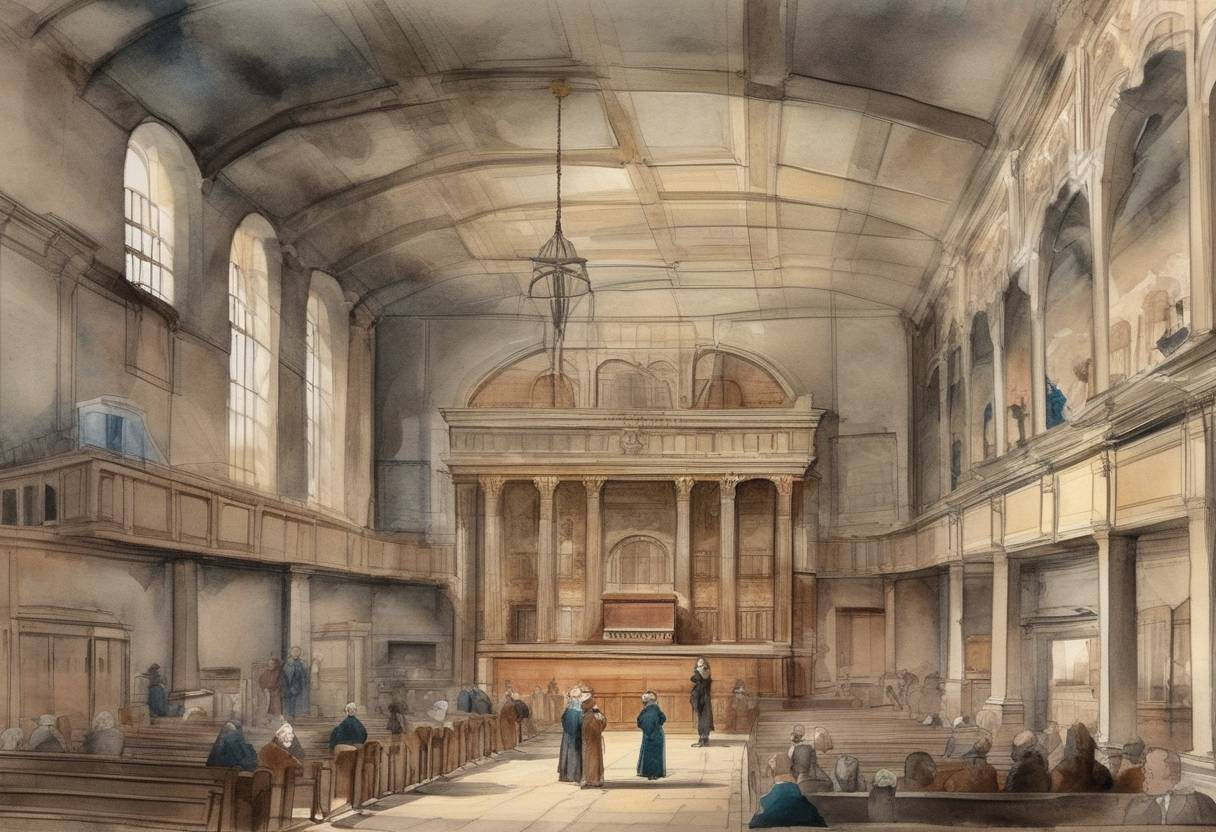
Shearith Israel: The First Synagogue in New York City
On April 8, 1730, Congregation Shearith Israel, the first synagogue in New York City, was officially dedicated. This event marked a significant moment in the history of Jewish communities in North America, reflecting the growing diversity and religious tolerance in the early American colonies.
Historical Context
Early Jewish Settlement: Jewish settlers first arrived in New Amsterdam (later New York City) in 1654, fleeing persecution from the Portuguese in Brazil. This small group of Sephardic Jews laid the foundation for what would become a vibrant Jewish community in the city.
Religious Tolerance: The establishment of Shearith Israel was made possible by the relatively tolerant policies of the Dutch and later the English, who controlled New York. Although Jews faced restrictions, such as limitations on public worship and civic participation, they were allowed to practice their religion privately.
The Dedication of Shearith Israel
Location: The original synagogue was located on Mill Street (now South William Street) in Lower Manhattan. This area was central to the early Jewish community in New York City.
Architecture and Design: The synagogue was a modest structure, reflecting the limited resources of the Jewish community at the time. Despite its simplicity, it served as a vital center for worship and community gatherings.
Community Significance: The dedication of Shearith Israel was a milestone for the Jewish community, providing a formal place of worship and a sense of permanence and identity. It also served as a hub for social and charitable activities.
Broader Historical Significance
Cultural Impact: Shearith Israel played a crucial role in preserving Jewish traditions and culture in the New World. It helped maintain a sense of community among Jewish settlers and facilitated the transmission of religious practices to future generations.
Legacy: Today, Shearith Israel, also known as the Spanish and Portuguese Synagogue, is the oldest Jewish congregation in the United States. It continues to be an active and vibrant community, with a rich history that reflects the broader narrative of Jewish life in America.
Influence on Religious Freedom: The establishment of Shearith Israel and other early synagogues in America contributed to the evolving discourse on religious freedom and diversity, laying groundwork for the pluralistic society that would later be enshrined in the U.S. Constitution.
In summary, the dedication of Shearith Israel on April 8, 1730, was a pivotal event in the history of New York City and the Jewish diaspora in America. It symbolized the resilience and adaptability of Jewish communities and their enduring contributions to the cultural and religious tapestry of the United States.