Kenya Gains Independence from the United Kingdom
1963 · Nairobi, Kenya
Kenya gains independence from the United Kingdom, becoming a sovereign nation with Jomo Kenyatta as its first Prime Minister.
October 1, 1960
Nigeria gained independence from the United Kingdom, becoming a sovereign nation and a member of the Commonwealth.
Lagos, Nigeria | United Kingdom
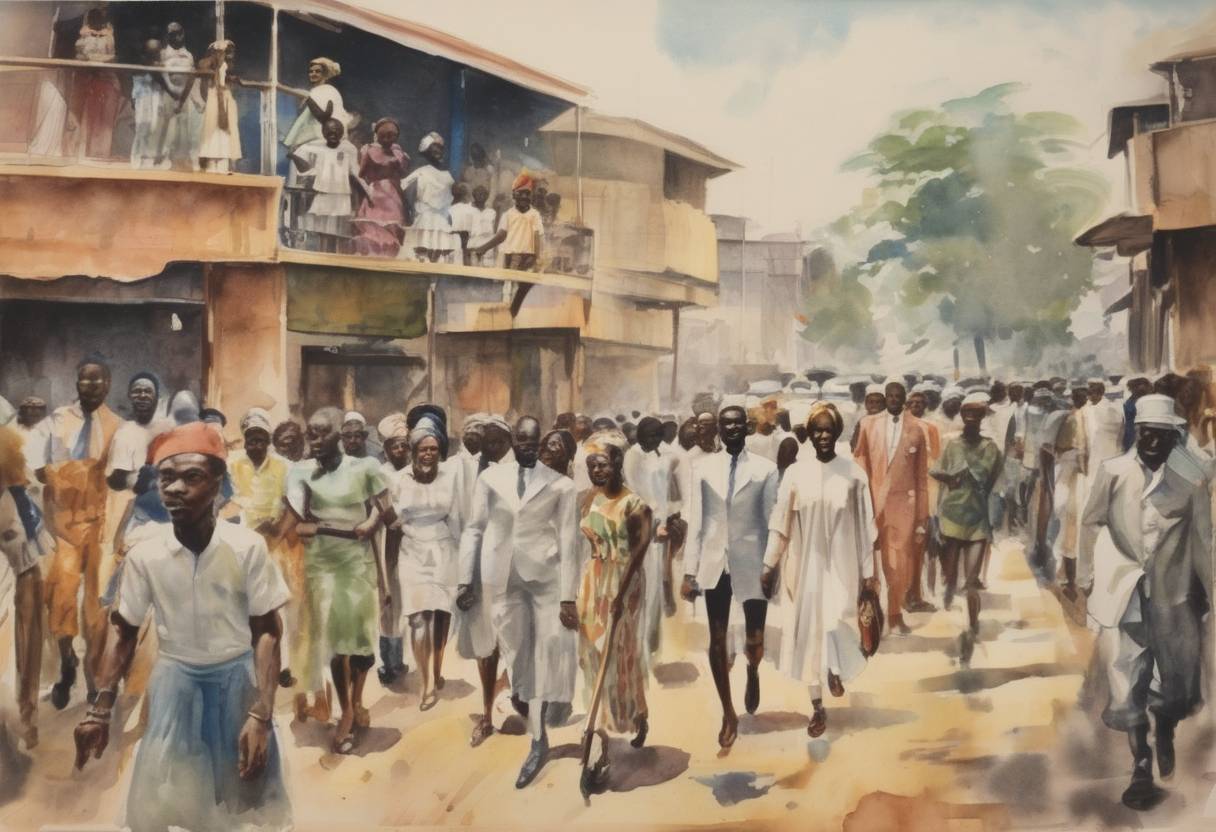
On October 1, 1960, Nigeria achieved independence from British colonial rule, marking a significant milestone in the nation’s history. This event was the culmination of a series of political developments and negotiations that had been underway for several decades.
Colonial Rule: Nigeria had been under British control since the late 19th century, following a series of treaties and military conquests. The region was formally amalgamated into the Colony and Protectorate of Nigeria in 1914.
Nationalist Movements: Throughout the early 20th century, Nigerian nationalists increasingly demanded self-governance. Key figures in this movement included Nnamdi Azikiwe, Obafemi Awolowo, and Ahmadu Bello, who played pivotal roles in advocating for independence.
Constitutional Developments: The path to independence involved several constitutional reforms. The Richards Constitution of 1946, the Macpherson Constitution of 1951, and the Lyttleton Constitution of 1954 gradually increased Nigerian participation in governance.
1957 and 1958 Conferences: The London Constitutional Conference of 1957 and the subsequent conference in 1958 were crucial in setting the stage for independence. These meetings involved Nigerian leaders and British officials negotiating the terms of self-rule.
Elections and Self-Government: By 1959, Nigeria held its first federal elections, leading to the formation of a government headed by Prime Minister Abubakar Tafawa Balewa. This government was tasked with overseeing the transition to full independence.
Ceremony: The independence ceremony took place in Lagos, the then-capital of Nigeria. It was attended by dignitaries from around the world, including Princess Alexandra, who represented Queen Elizabeth II.
Symbolic Acts: The Union Jack was lowered, and the new green and white Nigerian flag was hoisted, symbolizing the nation’s sovereignty. The national anthem, “Nigeria, We Hail Thee,” was played for the first time.
Commonwealth Membership: Upon gaining independence, Nigeria became a member of the Commonwealth of Nations, maintaining a symbolic link with the United Kingdom and other former British colonies.
Political Structure: Nigeria adopted a federal system of government, reflecting its diverse ethnic and cultural composition. The country was divided into three regions: Northern, Western, and Eastern, each with a degree of autonomy.
Challenges Ahead: Despite the joyous occasion, Nigeria faced significant challenges, including ethnic tensions, economic disparities, and the task of building a unified national identity.
Legacy: Nigeria’s independence was a beacon of hope for other African nations under colonial rule, inspiring a wave of decolonization across the continent in the subsequent decades.
Nigeria’s independence marked the beginning of a new era, as the country embarked on its journey as a sovereign nation, navigating the complexities of self-governance and development.
Source: en.wikipedia.org