Siege of Constantinople Begins - April 6, 1453
1453 · Constantinople, Byzantine Empire
The Ottoman Empire under Sultan Mehmed II began the siege of Constantinople, marking the start of the battle that ended the Byzantine Empire.
September 1, 0717
The Siege of Constantinople began as the Umayyad Caliphate launched a major offensive against the Byzantine Empire. This marked the start of a year-long siege that would ultimately end in a Byzantine victory.
Constantinople, Byzantine Empire | Umayyad Caliphate
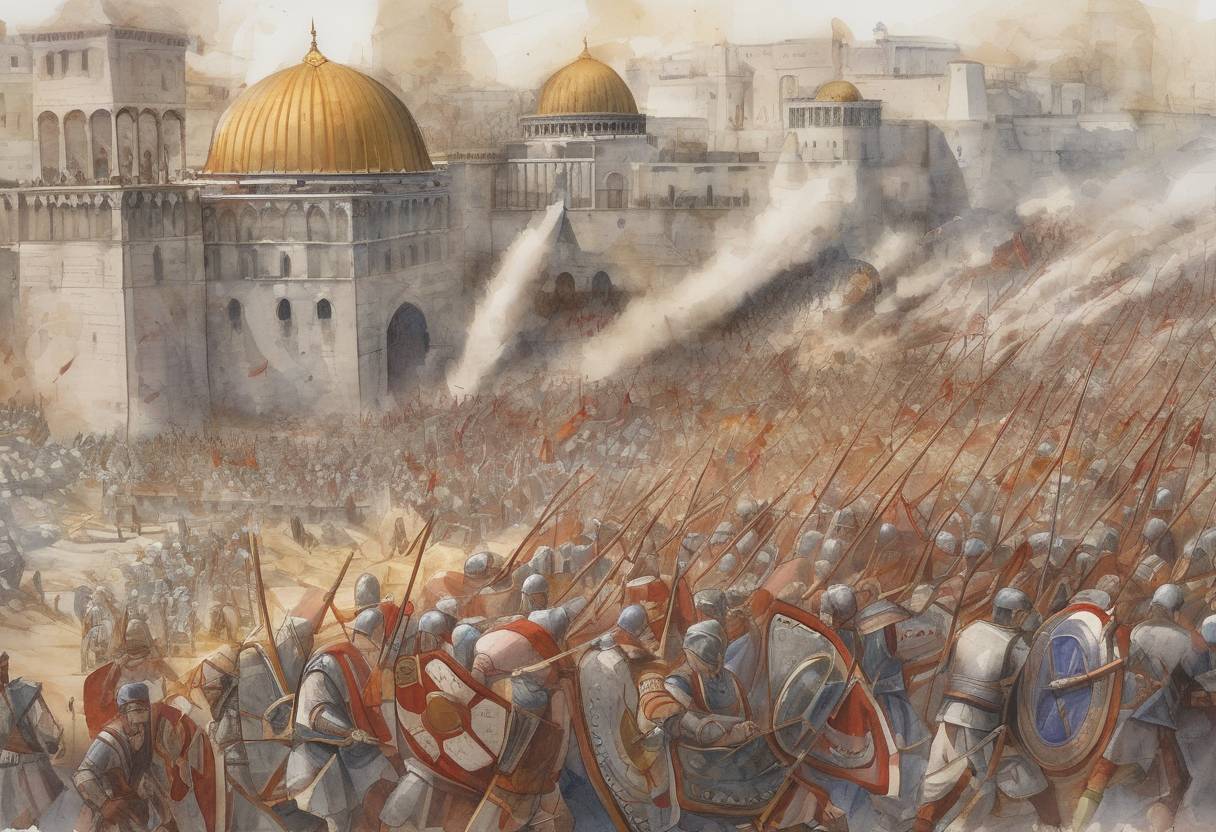
On September 1, 717, the Umayyad Caliphate launched a significant military campaign against the Byzantine Empire, marking the beginning of the year-long Siege of Constantinople. This event was a pivotal moment in the Byzantine-Arab Wars and had lasting implications for both empires.
The Umayyad Caliphate, under Caliph Sulayman ibn Abd al-Malik, sought to expand its territories further into Byzantine lands. The Byzantine Empire, under the leadership of Emperor Leo III, was already weakened by internal strife and previous military defeats. The Umayyads aimed to capitalize on this perceived vulnerability by capturing Constantinople, the Byzantine capital, which was not only a strategic military target but also a symbol of Christian power in the East.
The Umayyad forces, led by General Maslama ibn Abd al-Malik, approached Constantinople with a formidable army and a large fleet. The siege began with the Umayyads attempting to blockade the city by land and sea, cutting off supplies and reinforcements to the Byzantines.
Naval Blockade: The Umayyad fleet attempted to control the Bosporus Strait, aiming to prevent any aid from reaching Constantinople by sea. However, the Byzantines employed “Greek fire,” an incendiary weapon, to devastating effect against the Umayyad ships, significantly weakening their naval blockade.
Winter Hardships: The siege extended into the harsh winter of 717-718, during which the Umayyad forces suffered from severe cold and lack of supplies. The Byzantines, familiar with the local climate, were better prepared to withstand the winter conditions.
Byzantine Resilience: Emperor Leo III’s strategic leadership and the city’s formidable defensive walls played crucial roles in withstanding the siege. The Byzantines also received some assistance from the Bulgarians, who attacked the Umayyad forces from the rear, further complicating their efforts.
The siege ended in August 718 when the Umayyad forces, weakened by attrition, disease, and continued Byzantine resistance, were forced to retreat. This victory was significant for the Byzantine Empire as it halted the Umayyad expansion into Europe and preserved Constantinople as a bastion of Christianity.
Byzantine Strength: The successful defense of Constantinople bolstered the Byzantine Empire’s prestige and demonstrated the effectiveness of its military strategies and technologies, such as Greek fire.
Umayyad Setback: The failure of the siege marked a turning point for the Umayyad Caliphate, which began to face internal challenges and external pressures that would eventually lead to its decline.
Christian-Muslim Relations: The siege was a critical moment in the ongoing conflict between Christian and Muslim powers in the medieval period, influencing the geopolitical landscape of the region for centuries.
The Siege of Constantinople in 717-718 remains a testament to the resilience of the Byzantine Empire and a significant event in the history of medieval warfare.
Source: en.wikipedia.org