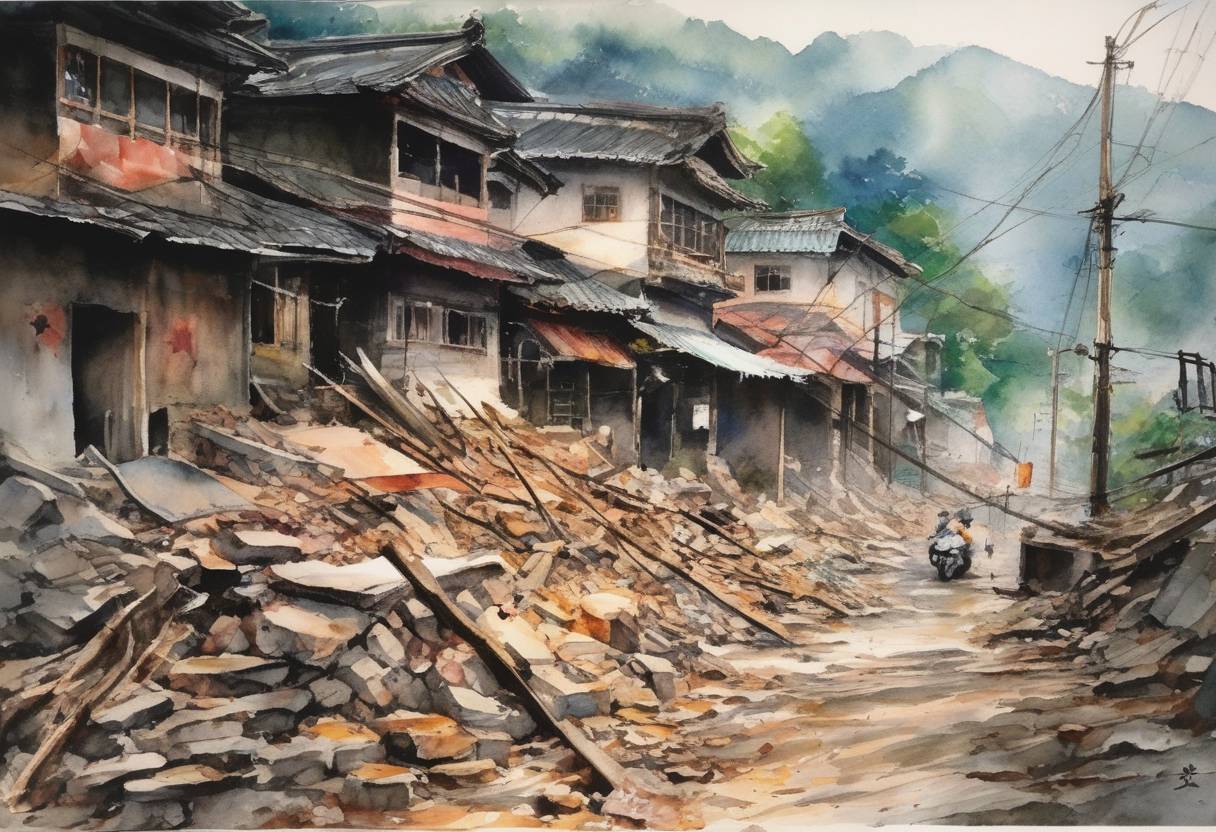
1999 Jiji (Chi-Chi) Earthquake in Taiwan
On September 21, 1999, Taiwan suffered a catastrophic earthquake, known as the Jiji or Chi-Chi earthquake. This event is significant for its devastating impact on the island nation, both in terms of human casualties and infrastructure damage.
Earthquake Details
- Magnitude: The earthquake had a magnitude of 7.6, making it the strongest to hit Taiwan in the 20th century.
- Epicenter: The epicenter was near the town of Jiji in Nantou County, situated in central Taiwan.
- Time: The earthquake struck at 1:47 a.m. local time, when most people were asleep, contributing to the high number of casualties.
Impact
- Casualties: The earthquake resulted in the deaths of over 2,400 people and left more than 8,700 injured. Many of these deaths resulted from collapsed buildings and infrastructure.
- Displacement: Hundreds of thousands of residents were left homeless. Rapid urban expansion had led to buildings that could not withstand such a powerful earthquake, exacerbating the toll.
- Infrastructure Damage: Critical infrastructural damage included the destruction of tens of thousands of buildings, roads, and bridges. Electricity and water supply were severely disrupted across large parts of the island.
Response and Aftermath
- Rescue and Relief Efforts: Rescue operations commenced immediately, with support from both domestic and international teams. Efforts were focused on searching for survivors trapped under debris.
- Long-term Consequences: The earthquake prompted significant changes in Taiwan’s building codes and emergency response protocols, aiming to mitigate the impact of future earthquakes.
- Economic Impact: The economic damage was estimated to be in the tens of billions of dollars, affecting both the region’s short-term economy and Taiwan’s overall economic landscape.
Broader Historical Significance
The Chi-Chi earthquake is remembered not only for its immediate devastation but also for its role in highlighting the need for improved disaster preparedness and building regulations in seismically active regions. It remains a poignant reminder of the earth’s unpredictable power and the importance of resilience planning.