August 27, 1999

A massive earthquake strikes the İzmit Province of Turkey, resulting in great destruction and a death toll of thousands.


Izmit, Turkey | none
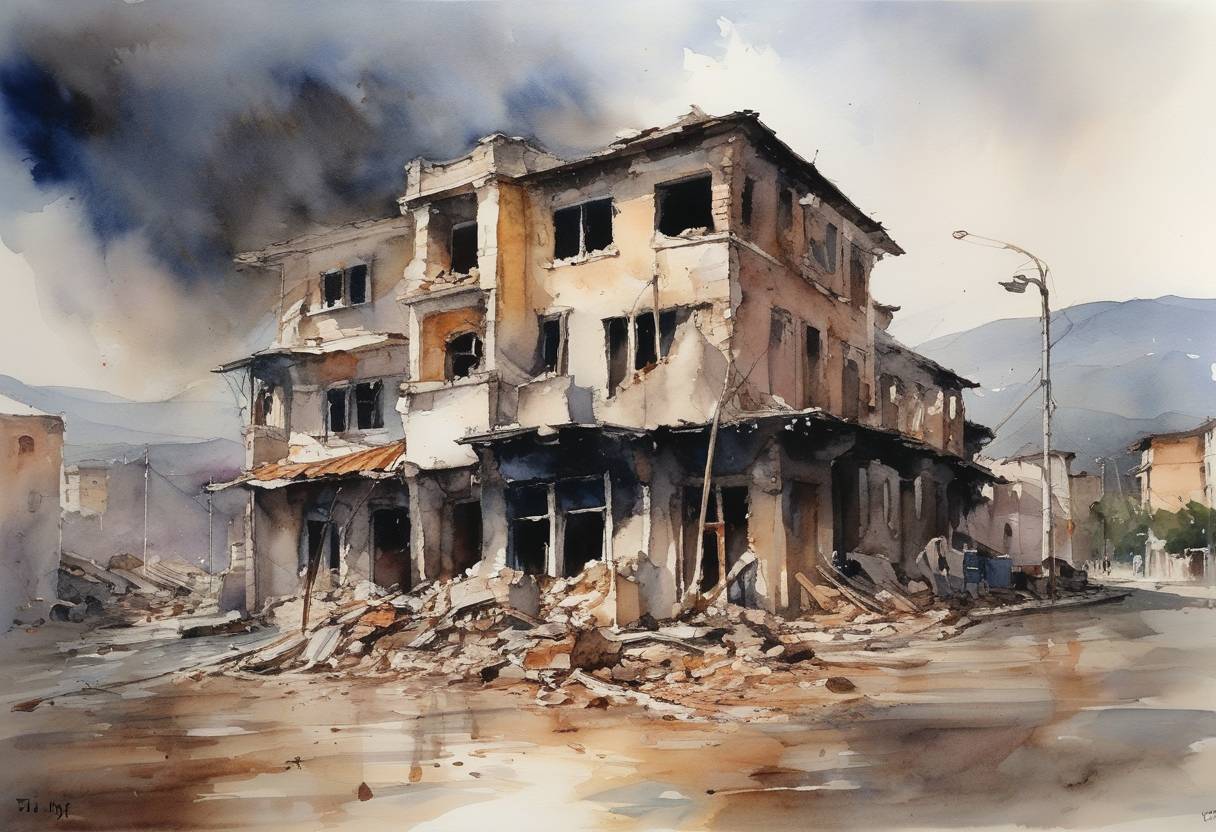
Watercolor painting based depiction of A massive earthquake strikes the İzmit Province of Turkey, resulting in great destruction and a death toll of thousands. (1999)

The İzmit Earthquake of 1999

On August 17, 1999, a massive earthquake struck the İzmit Province of Turkey, resulting in devastating destruction and a catastrophic death toll. The event, known as the 1999 İzmit earthquake, occurred at 3:02 AM local time.

Earthquake Details

  • Magnitude: The earthquake measured 7.6 on the moment magnitude scale.
  • Epicenter: The epicenter was located near the town of Gölcük in the İzmit Province.
  • Duration: The quake lasted approximately 37 seconds, which contributed significantly to the extensive damage.

Impact and Casualties

  • Death Toll: The official death toll was over 17,000, although unofficial estimates suggested numbers could be higher.
  • Injuries: More than 23,000 people were injured.
  • Displacement: Hundreds of thousands were left homeless, with estimates indicating that 250,000 homes were destroyed and over 2,000 buildings collapsed.
  • Economic Loss: The economic impact was profound, with damages running into several billions of dollars, severely affecting Turkey’s economy.

Aftershocks and Response

  • Aftershocks: The initial earthquake was followed by numerous aftershocks, exacerbating the damage and fear among the survivors.
  • International Aid: A global response saw many countries offering aid, rescue operations, and relief to the affected regions.

Long-term Consequences

The İzmit earthquake highlighted deficiencies in building regulations and emergency preparedness in Turkey. It prompted significant changes in local building codes and increased awareness about earthquake-resistant infrastructure. Additionally, it underscored the need for better disaster response strategies and brought about legislative reforms to improve seismic safety standards.

The disaster remains one of the deadliest in Turkey’s modern history, marking a critical moment for urban planning and emergency management in earthquake-prone regions.