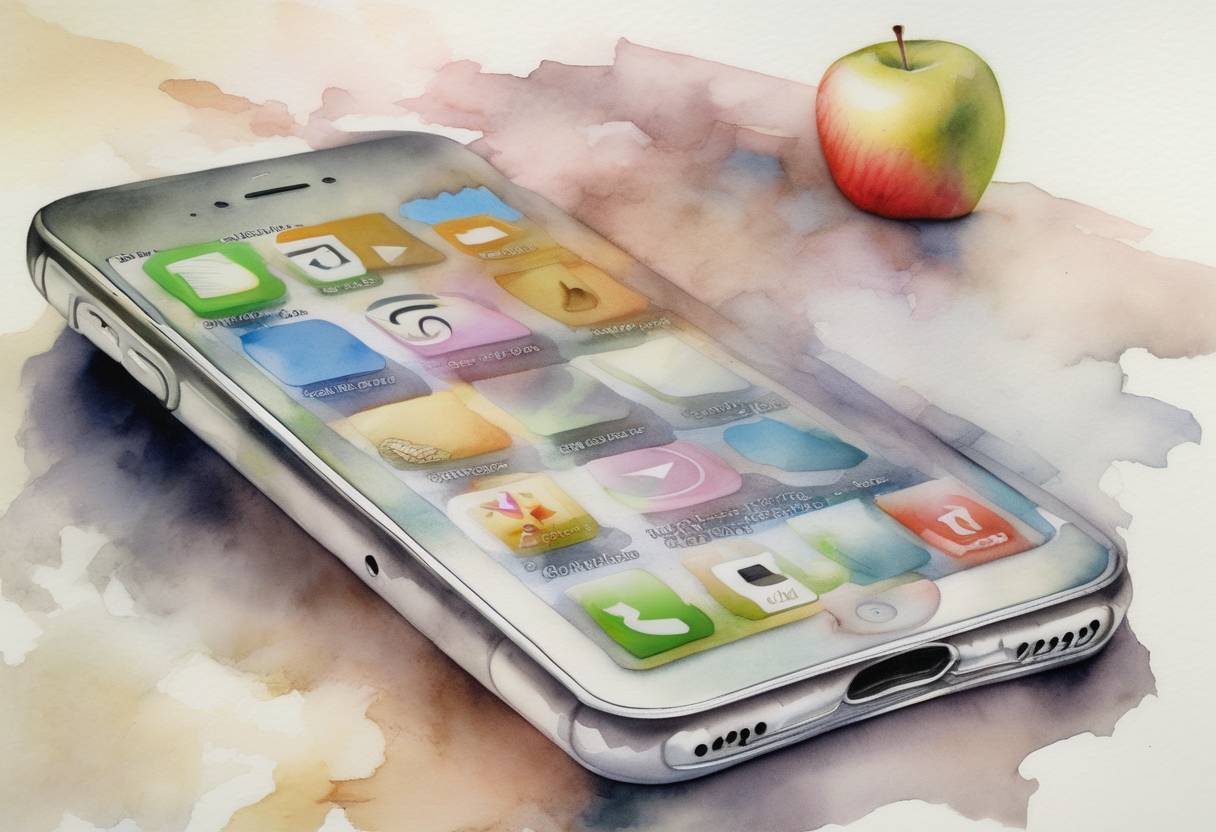
The Release of the First iPhone: June 29, 2007
On June 29, 2007, Apple Inc. released the first iPhone, a groundbreaking event that significantly transformed the smartphone industry and global communication. This release marked a pivotal moment in technology, setting new standards for mobile devices and influencing the future of digital communication.
Context and Development
- Apple’s Vision: Under the leadership of Steve Jobs, Apple aimed to create a device that combined a mobile phone, an iPod, and an internet communicator. The goal was to simplify and enhance the user experience by integrating these functions into a single, sleek device.
- Technological Innovation: The iPhone introduced a multi-touch interface, which allowed users to interact with the device using their fingers instead of a stylus or physical buttons. This innovation was central to the iPhone’s appeal and usability.
Key Features of the First iPhone
- Design: The original iPhone featured a 3.5-inch display, a 2-megapixel camera, and a minimalist design with a single home button.
- Operating System: It ran on iOS, Apple’s proprietary operating system, which was designed to be intuitive and user-friendly.
- App Ecosystem: Although the first iPhone did not support third-party apps, it laid the groundwork for the App Store, which would launch in 2008 and revolutionize how software was distributed and consumed.
Impact on the Smartphone Industry
- Market Disruption: The iPhone’s release challenged existing smartphone manufacturers, such as BlackBerry and Nokia, prompting them to rethink their designs and user interfaces.
- Consumer Expectations: It set new expectations for mobile devices, emphasizing the importance of design, functionality, and user experience.
- Growth of Mobile Internet: The iPhone played a crucial role in the expansion of mobile internet usage, encouraging the development of mobile-friendly websites and services.
Broader Historical Significance
- Cultural Influence: The iPhone became a cultural icon, influencing not only technology but also fashion, communication, and social interaction.
- Economic Impact: Apple’s success with the iPhone contributed significantly to its growth, making it one of the most valuable companies in the world.
- Technological Advancements: The iPhone spurred advancements in mobile technology, including improvements in processors, cameras, and wireless communication.
Aftermath and Legacy
- Continued Innovation: Apple has continued to innovate with subsequent iPhone models, each introducing new features and technologies.
- Global Reach: The iPhone’s success has had a global impact, with millions of units sold worldwide and a profound influence on how people communicate and access information.
The release of the first iPhone on June 29, 2007, was more than just a product launch; it was a transformative event that reshaped the landscape of technology and communication, leaving a lasting legacy that continues to evolve today.