Nelson Mandela's Inauguration: May 9, 1994
1994 · Pretoria, South Africa
Nelson Mandela was inaugurated as South Africa's first black president, marking the end of apartheid.
March 17, 1992
A referendum in South Africa approved the ending of apartheid, with a majority of white voters supporting the reform process.
Pretoria, South Africa | South African Government
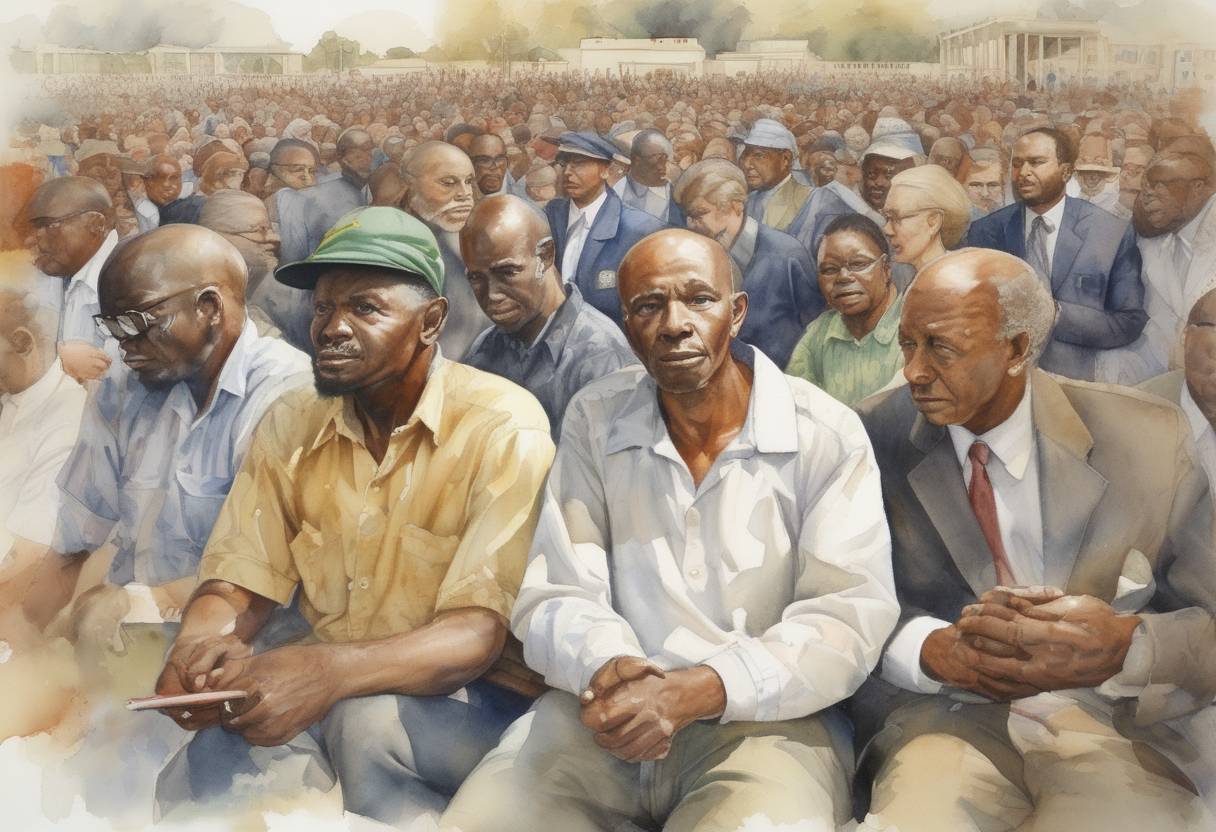
On March 17, 1992, a pivotal referendum took place in South Africa, marking a significant step towards dismantling the apartheid system. This referendum was exclusively held among white South African voters, who were asked to decide whether they supported the government’s proposed reforms to end apartheid and transition towards a non-racial democracy.
Apartheid, a policy of racial segregation and discrimination, had been the official policy in South Africa since 1948. It enforced a system of institutionalized racial hierarchy, privileging the white minority over the non-white majority. By the late 20th century, internal resistance and international pressure had intensified, making the continuation of apartheid increasingly untenable.
In 1990, President F.W. de Klerk initiated a series of reforms, including the unbanning of anti-apartheid political organizations like the African National Congress (ANC) and the release of Nelson Mandela from prison. These actions set the stage for negotiations to end apartheid.
The 1992 referendum was a critical moment in South Africa’s history. It was called by President de Klerk to gauge the support of the white electorate for the ongoing reform process. The question posed to voters was whether they supported the continuation of negotiations to create a new constitution that would effectively end apartheid.
The referendum’s outcome was a decisive endorsement of the government’s efforts to negotiate an end to apartheid. It provided President de Klerk with a strong mandate to continue discussions with Nelson Mandela and other leaders of the anti-apartheid movement.
The 1992 referendum is seen as a turning point in South African history. It demonstrated a significant shift in the mindset of the white electorate, who were willing to embrace change and support a peaceful transition to a more equitable society. This moment is often cited as a testament to the power of democratic processes in resolving deeply entrenched societal issues.
In summary, the 1992 referendum was a landmark event that played a crucial role in the peaceful dismantling of apartheid and the establishment of a democratic South Africa.
Source: en.wikipedia.org