China Northern Airlines Flight 6136 Crash on May 7, 2002
2002 · Dalian, China
A China Northern Airlines MD-82 crashed into the Yellow Sea near Dalian, China, resulting in the deaths of all 112 people on board.
April 6, 2001
The United States declares the EP-3 crisis with China resolved after 11 days of diplomatic negotiations. The incident began on April 1, 2001, when a U.S. Navy EP-3E ARIES II reconnaissance aircraft collided with a Chinese fighter jet, leading to an emergency landing and the detention of the American crew by Chinese authorities.
Hainan, China | U.S. Department of State, Ministry of Foreign Affairs of the People's Republic of China
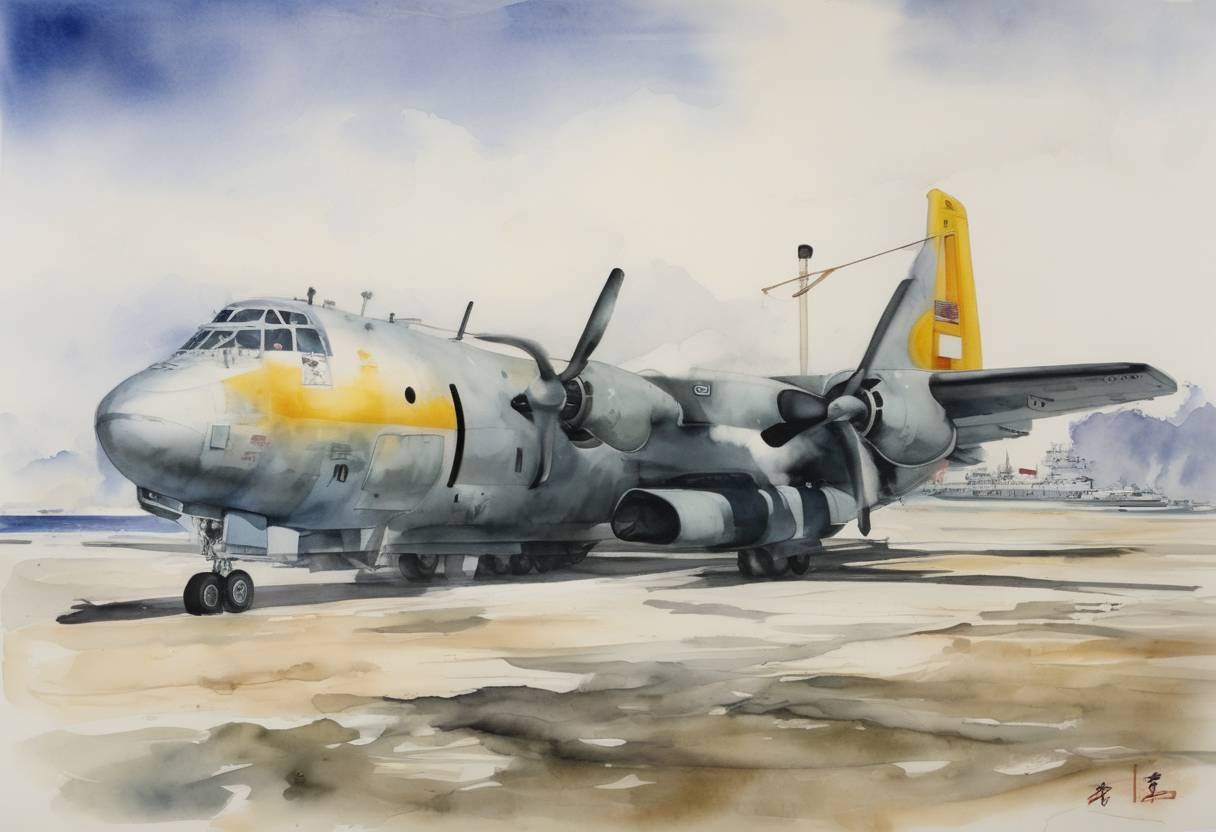
On April 6, 2001, the United States officially declared the EP-3 crisis with China resolved after 11 days of intense diplomatic negotiations. This resolution followed an incident that occurred on April 1, 2001, when a U.S. Navy EP-3E ARIES II reconnaissance aircraft was involved in a mid-air collision with a Chinese People’s Liberation Army Navy (PLAN) J-8II interceptor jet.
The collision took place over the South China Sea, approximately 70 miles from China’s Hainan Island. The incident resulted in the Chinese aircraft’s destruction, leading to the presumed death of its pilot, Lt. Cdr. Wang Wei. The U.S. reconnaissance aircraft was significantly damaged, forcing it to make an emergency landing on Hainan Island. The 24-member crew aboard was detained by Chinese authorities, escalating tensions between the two nations.
The U.S. government, led by President George W. Bush, engaged in urgent diplomatic talks with China to secure the release of the detained crew and the return of the aircraft. These negotiations revolved around complex issues of international aviation law, sovereignty, and military espionage.
The dialogue was marked by intense exchanges, with the U.S. insisting that the reconnaissance mission was within international airspace operating protocols, while China demanded an official apology, viewing the incident as a violation of its airspace and sovereignty.
By April 6, the crisis reached a resolution when the U.S. Ambassador to China, Joseph Prueher, delivered a letter expressing regret over the loss of the Chinese pilot and the landing of the U.S. plane on Chinese soil without verbalizing a formal apology, which was key to the diplomatic solution.
The resolution led to the crew’s release, although the aircraft was disassembled and returned to the U.S. much later. This incident emphasized the delicate nature of U.S.-China relations and highlighted the complex challenges of military operations near national boundaries. The resolution averted a potential escalation of military tensions and set a precedent for handling similar situations in international diplomacy.
Source: www.state.gov