Kissing Ban in England to Prevent the Spread of the Plague - July 16, 1439
1439 · London, England
Kissing is banned in England to prevent the spread of the plague.
April 4, 1284
Petition in Parliament establishes a system of sewers in London that sets a precedent for public health infrastructure.
London, England | Parliament of England
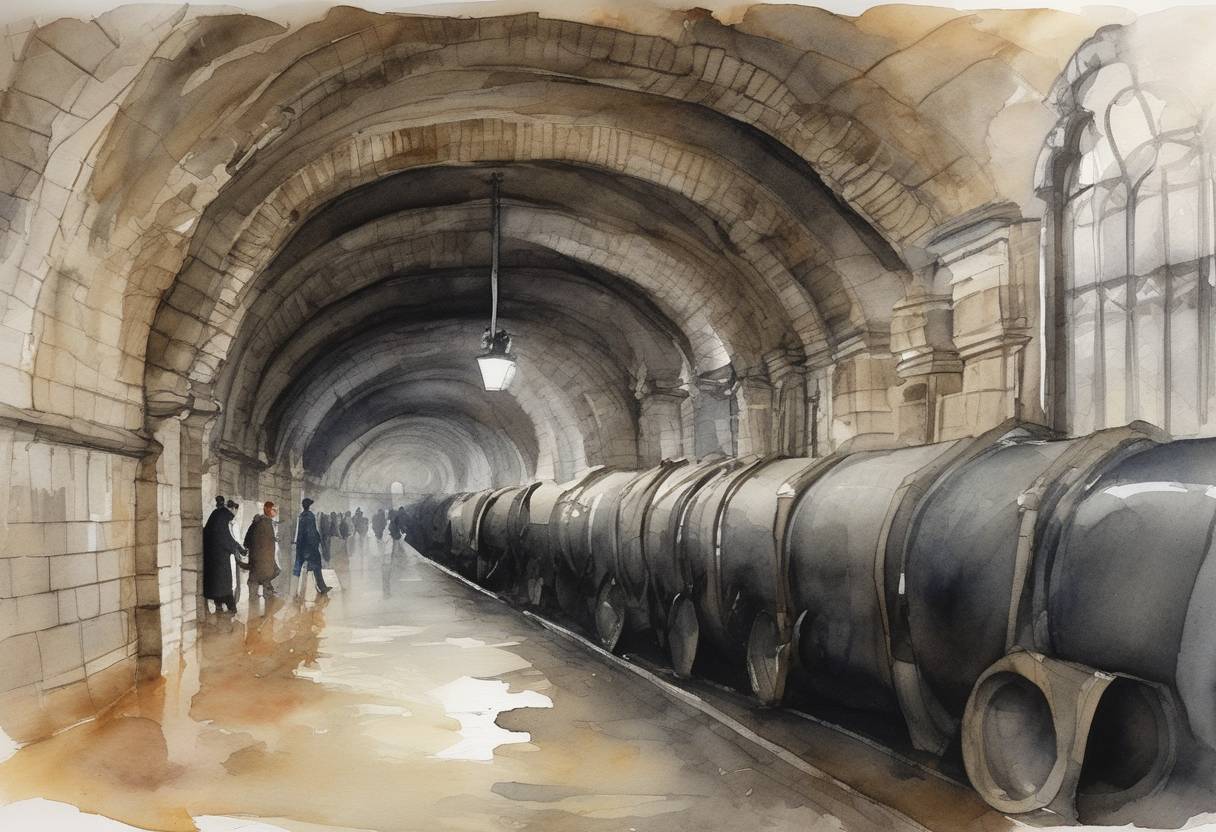
On April 4, 1284, a pivotal moment in urban public health infrastructure occurred when a petition was presented in the Parliament of England, advocating for the establishment of a comprehensive sewer system in London. This development came at a time when rapidly urbanizing medieval cities faced growing challenges associated with poor sanitation, such as foul odors, disease outbreaks, and compromised public health.
During the late 13th century, London was burgeoning as an economic and political center of the English realm. However, this growth led to significant sanitation issues, typical of medieval cities, where waste disposal was rudimentary and primarily involved open drains and ditches. These inadequate systems frequently overflowed, leading to filthy streets and increased health risks.
The need for organized waste management was evident, and proactive measures were crucial to safeguard the well-being of the population and maintain the city’s functionality.
On April 4, 1284, influential citizens and leaders presented a formal petition to the Parliament. This request highlighted the dire need for a managed and structured sewerage system that would effectively remove waste and improve sanitary conditions.
Though records of the precise wording of the petition are scarce, it emphasized practicality and foresight in addressing London’s sanitation issues. The petitioners stressed the long-term benefits of investing in public health infrastructure, not only to enhance living conditions but also to support the city’s continual growth and prosperity.
As a result of this petition, Parliament began to recognize the importance of sanitation infrastructure. Consequently, steps were gradually taken towards developing a more structured approach to waste management, eventually leading to the establishment of a rudimentary but significant network of sewers in London.
This initiative set an early precedent for public health infrastructure, marking the beginnings of systemic urban sanitation management. While it would take several centuries for more advanced sewers to emerge, the 1284 petition underscored the necessity and viability of such public health interventions.
The 1284 petition in Parliament represents an early recognition of the link between urban planning and public health, elements that have become foundational in modern civilization. It demonstrated an early understanding of government responsibility in safeguarding the health and welfare of its citizens, paving the way for future innovations in sanitation and city planning across Europe.
This event serves as a reminder of the long journey of urban infrastructure development, highlighting the continuous need for improvement and innovation in the face of growing urban populations.
Source: en.wikipedia.org