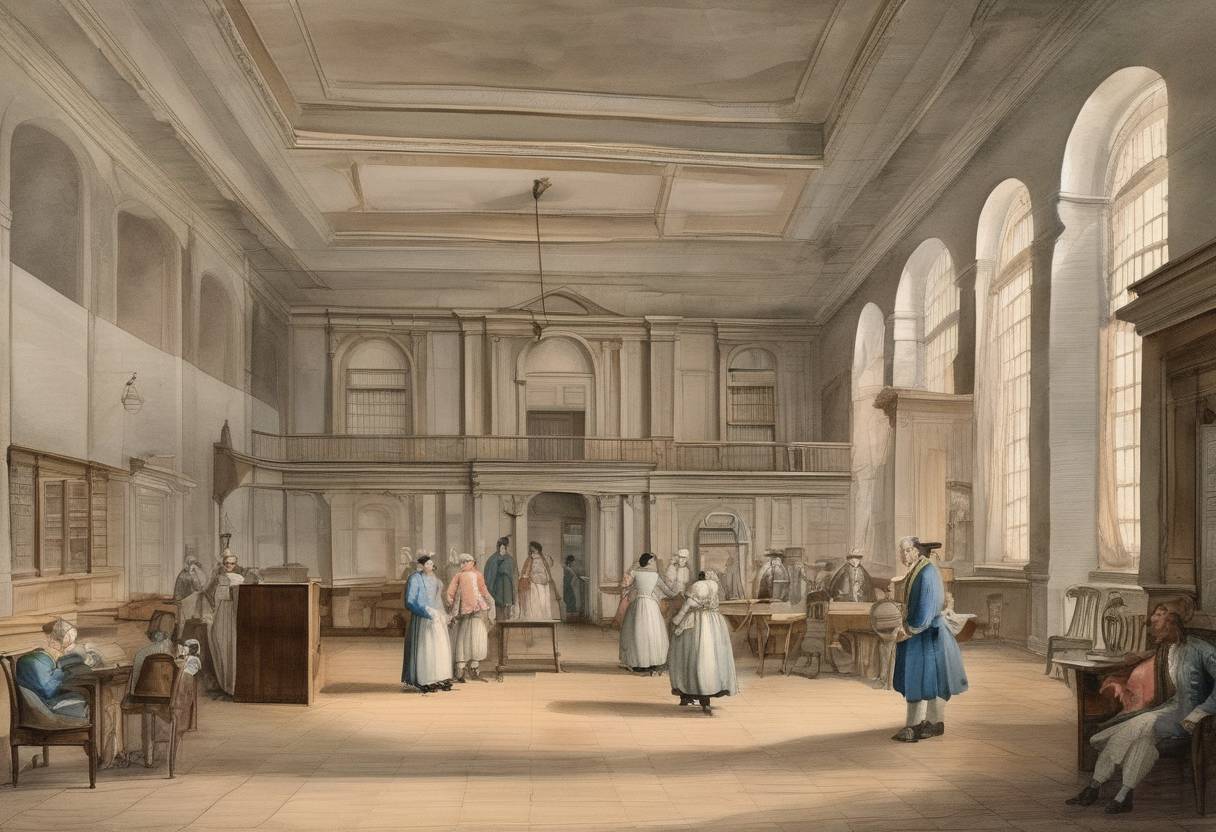
The Opening of Pennsylvania Hospital on February 11, 1752
On February 11, 1752, Pennsylvania Hospital, the first hospital in the United States, officially opened its doors in Philadelphia, Pennsylvania. This significant event marked a pivotal moment in American medical history, laying the foundation for the development of organized healthcare in the country.
Background and Founding
The establishment of Pennsylvania Hospital was largely driven by the efforts of two prominent figures: Dr. Thomas Bond and Benjamin Franklin. Dr. Bond, a respected physician, recognized the dire need for a facility to care for the sick and poor in Philadelphia. He approached his friend, Benjamin Franklin, with the idea of creating a public hospital. Franklin, known for his civic-mindedness and influence, was instrumental in garnering public and legislative support for the project.
In 1751, the Pennsylvania Assembly passed an act to establish the hospital, agreeing to match private donations with public funds. This innovative funding model was crucial in securing the necessary resources to build and operate the hospital.
The Hospital’s Mission and Early Operations
Pennsylvania Hospital was founded with a mission to provide medical care to the indigent and mentally ill, a reflection of the Enlightenment ideals of charity and public welfare. The hospital initially operated out of a rented house, but construction of a permanent building began shortly after its opening.
The hospital’s early operations were guided by a set of principles that emphasized compassion, scientific inquiry, and education. It quickly became a center for medical training and research, attracting physicians and students eager to advance their knowledge and skills.
Architectural and Medical Innovations
The hospital’s permanent building, completed in 1755, was designed by architect Samuel Rhoads. It featured a distinctive central pavilion and two wings, with large windows to allow for ample natural light and ventilation—an innovative design for its time, reflecting contemporary beliefs about the importance of fresh air in healing.
Pennsylvania Hospital also became known for its pioneering medical practices. It was one of the first institutions to maintain detailed patient records, which contributed to the advancement of medical research and education.
Legacy and Historical Significance
The opening of Pennsylvania Hospital set a precedent for the establishment of other hospitals across the United States. It played a crucial role in shaping the American healthcare system and remains a symbol of the nation’s commitment to public health and medical education.
Today, Pennsylvania Hospital is part of the University of Pennsylvania Health System, continuing its legacy of providing high-quality medical care and training future generations of healthcare professionals.
In summary, the opening of Pennsylvania Hospital on February 11, 1752, was a landmark event in American history, representing a significant step forward in the organization and delivery of healthcare services in the United States.