Capture of Sinjar by ISIL - August 3, 2014
2014 · Sinjar, Iraq
The Islamic State of Iraq and the Levant (ISIL) captures the city of Sinjar in Iraq, leading to a humanitarian crisis for the Yazidi people.
June 9, 2014
The Islamic State of Iraq and the Levant (ISIL) captured the city of Mosul, Iraq's second-largest city, marking a significant escalation in the Iraqi conflict and leading to a humanitarian crisis.
Mosul, Iraq | ISIL
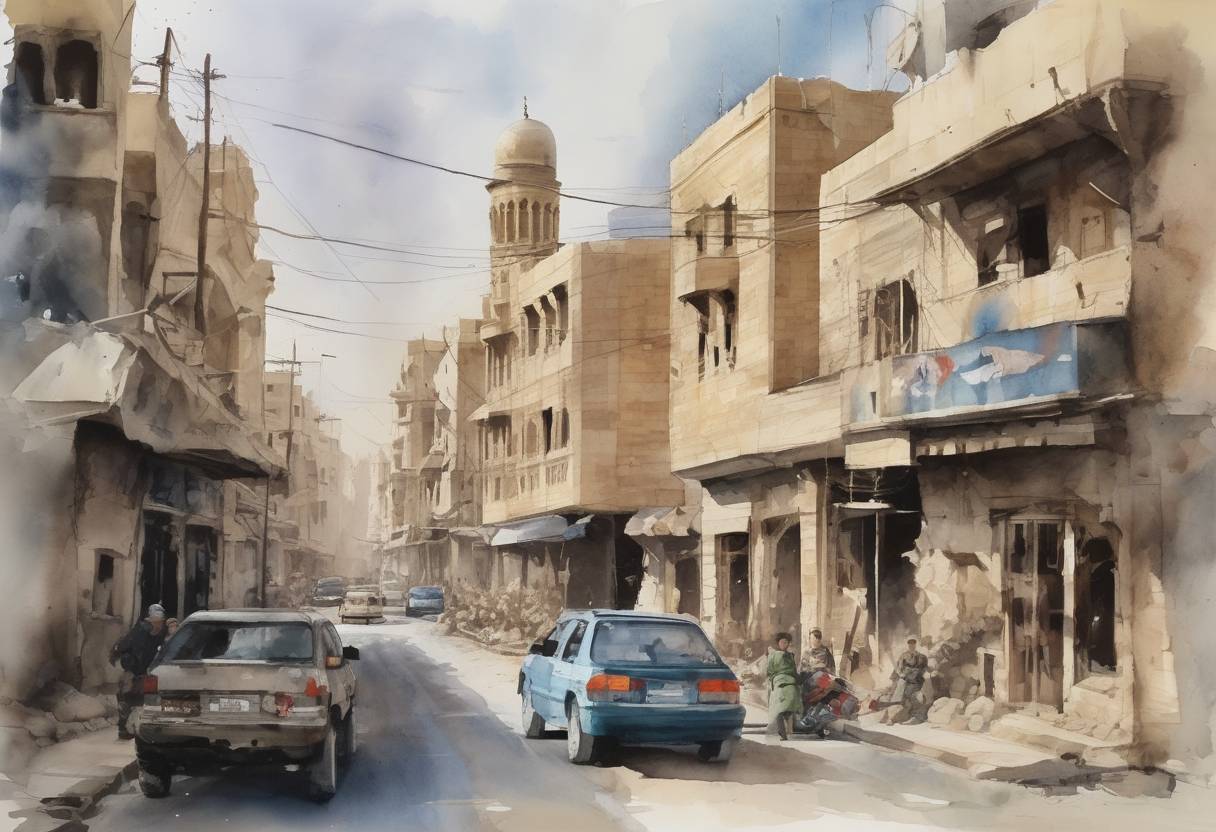
On June 9, 2014, the Islamic State of Iraq and the Levant (ISIL), also known as ISIS, captured Mosul, Iraq’s second-largest city. This event marked a significant escalation in the ongoing conflict in Iraq and had profound implications for the region and beyond.
Background of ISIL: ISIL emerged from the remnants of al-Qaeda in Iraq, gaining strength during the Syrian Civil War. By 2014, it had become a formidable force, controlling territories in both Syria and Iraq.
Iraqi Instability: Iraq was experiencing political instability and sectarian tensions following the withdrawal of U.S. troops in 2011. The government, led by Prime Minister Nouri al-Maliki, faced criticism for marginalizing Sunni communities, which contributed to the rise of extremist groups like ISIL.
Military Weakness: The Iraqi military was plagued by corruption, poor leadership, and low morale. These issues severely undermined its ability to respond effectively to ISIL’s advances.
Rapid Advance: ISIL launched a surprise offensive on Mosul in early June 2014. The group’s fighters quickly overwhelmed the Iraqi security forces, who were ill-prepared and demoralized.
Collapse of Defense: Within days, ISIL captured key government buildings, military installations, and infrastructure. The Iraqi army units stationed in Mosul largely disbanded, abandoning their posts and equipment.
Humanitarian Crisis: The fall of Mosul led to a massive humanitarian crisis. Hundreds of thousands of residents fled the city, seeking refuge in the Kurdish region and other parts of Iraq. The capture of Mosul also resulted in widespread human rights abuses, including executions and forced displacements.
ISIL’s Expansion: The capture of Mosul allowed ISIL to seize large quantities of military equipment and resources, significantly bolstering its capabilities. The group declared a “caliphate” shortly thereafter, with Mosul as a key stronghold.
International Response: The fall of Mosul prompted a global response. The United States and its allies began forming a coalition to combat ISIL, leading to airstrikes and military support for Iraqi and Kurdish forces.
Long-term Impact: The capture of Mosul highlighted the fragility of the Iraqi state and the complexities of sectarian divisions. It also underscored the need for comprehensive strategies to address the root causes of extremism and instability in the region.
The fall of Mosul was a pivotal moment in the fight against ISIL, setting the stage for a prolonged and challenging conflict that would involve multiple international actors and have lasting repercussions for Iraq and the Middle East.
Source: www.bbc.com