The Liberation of Raqqa: A Turning Point in the Fight Against ISIS
2017 · Raqqa, Syria
The United Nations announced that the Islamic State had been driven out of Raqqa, Syria, marking a significant defeat for the militant group.
December 3, 2015
The United Kingdom conducted its first airstrikes against ISIS in Syria after the UK Parliament approved military action.
Raqqa, Syria | Royal Air Force
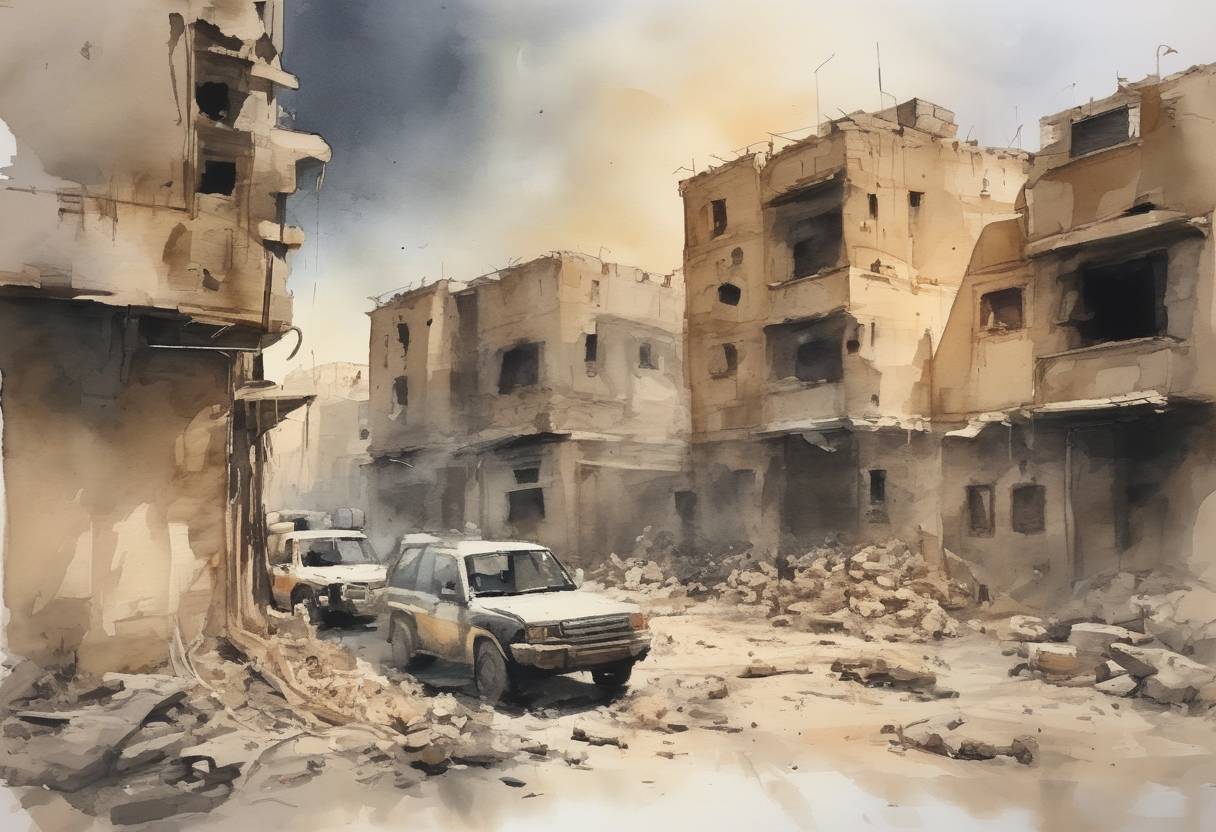
On December 3, 2015, the United Kingdom conducted its first airstrikes against ISIS (Islamic State of Iraq and Syria) targets in Syria. This military action followed a significant decision by the UK Parliament, which approved the extension of airstrikes from Iraq into Syria.
ISIS Threat: By 2015, ISIS had established a significant presence in both Iraq and Syria, posing a substantial threat to regional stability and international security. The group was responsible for numerous atrocities, including terrorist attacks in various countries.
Previous UK Involvement: Prior to this decision, the UK had been involved in airstrikes against ISIS in Iraq since September 2014, as part of a broader coalition led by the United States. However, the UK had not extended these operations into Syria.
Political Debate: The decision to expand military action into Syria was preceded by intense political debate within the UK. Prime Minister David Cameron argued that targeting ISIS in Syria was essential for national security and to degrade the group’s capabilities.
Vote Outcome: On December 2, 2015, after a lengthy and contentious debate, the UK House of Commons voted in favor of extending airstrikes into Syria. The motion was passed with a majority of 397 to 223 votes.
Arguments For and Against: Proponents of the action cited the need to combat terrorism and support international efforts against ISIS. Opponents raised concerns about the potential for civilian casualties and the effectiveness of airstrikes without a comprehensive ground strategy.
Targets: The initial airstrikes targeted oil fields under ISIS control, which were a significant source of revenue for the group. The strikes were carried out by Royal Air Force (RAF) Tornado jets and were part of a coordinated effort with coalition forces.
Military Strategy: The UK military strategy focused on disrupting ISIS’s financial infrastructure and weakening its operational capabilities. The strikes were intended to complement ongoing efforts by local ground forces and international partners.
Continued Operations: Following the initial strikes, the UK continued its military operations in Syria as part of the international coalition against ISIS. The campaign aimed to dismantle ISIS’s hold in the region and reduce its ability to conduct terrorist activities.
Broader Impact: The decision to conduct airstrikes in Syria marked a significant moment in the UK’s foreign policy and military engagement in the Middle East. It also highlighted the complexities of international military interventions and the challenges of addressing terrorism.
The UK’s decision to extend airstrikes into Syria was a pivotal moment in the global fight against ISIS. It underscored the international community’s commitment to combating terrorism and highlighted the ongoing debates about military intervention and its implications for regional and global security.
Source: www.bbc.com