January 26, 1998: President Bill Clinton's Denial
1998 · Washington, D.C., United States
President Bill Clinton denied having had a sexual relationship with White House intern Monica Lewinsky, in a statement that would lead to his impeachment.
August 17, 1998
U.S. President Bill Clinton admits in taped testimony that he had an "improper physical relationship" with White House intern Monica Lewinsky.
Washington, D.C., United States | White House
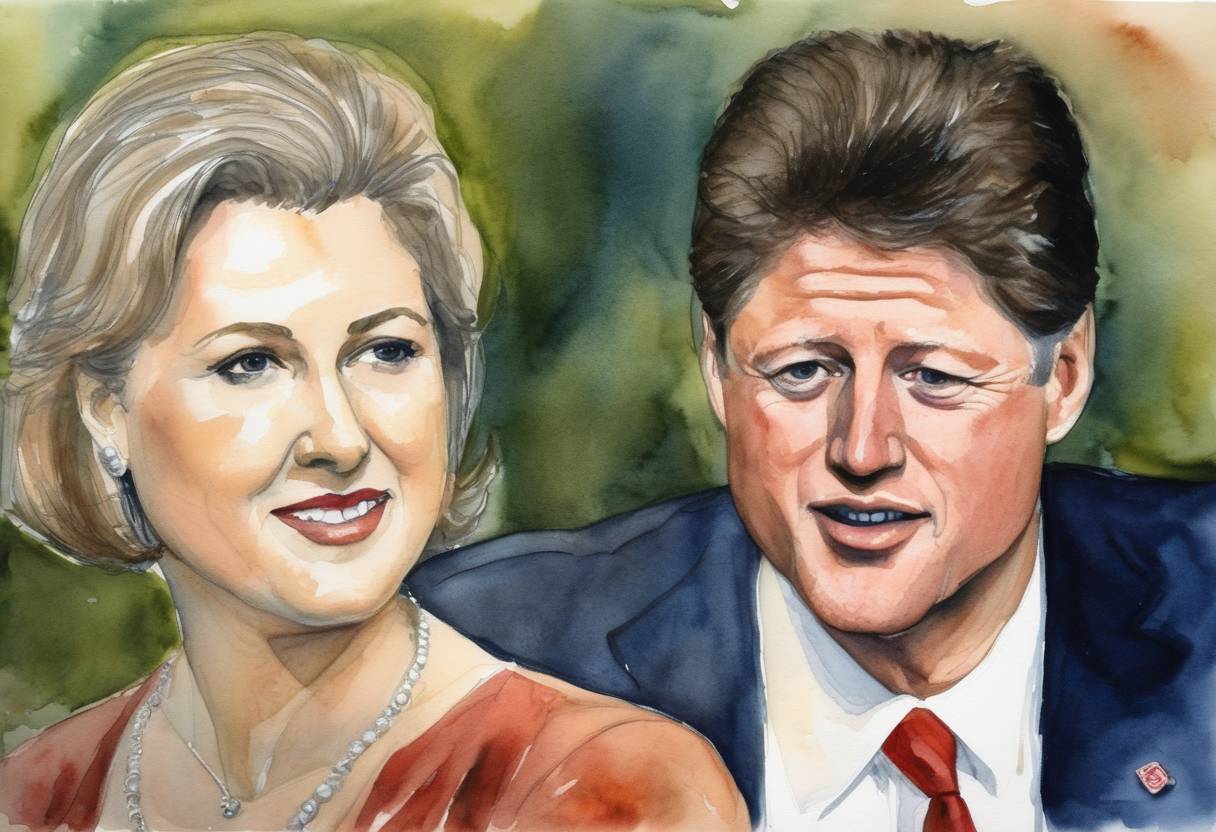
On August 17, 1998, U.S. President Bill Clinton provided a videotaped testimony as part of the ongoing investigation led by Independent Counsel Kenneth Starr. This case was focused on allegations of misconduct related to an affair with White House intern Monica Lewinsky, which had become a major national scandal.
The investigation into President Clinton was rooted in a broader inquiry that initially targeted real estate investments and other dealings, known as the Whitewater controversy. Over time, Starr’s investigation expanded to include other areas, eventually leading to the examination of Clinton’s conduct with Lewinsky after records and testimonies indicated an inappropriate relationship.
During the taped grand jury testimony, President Clinton admitted to having an “improper physical relationship” with Lewinsky. This admission was pivotal, as Clinton had previously denied under oath having engaged in a sexual relationship with her, most notably in a deposition concerning a separate lawsuit filed by former Arkansas state employee Paula Jones.
The admission came only hours before Clinton delivered a public address from the White House, where he acknowledged the inappropriate nature of his relationship with Lewinsky while also expressing regret for misleading the public and his family.
Clinton’s admission led to a significant political and legal upheaval. The revelation, coupled with Starr’s report, ultimately culminated in the initiation of impeachment proceedings against Clinton by the House of Representatives. In December 1998, Clinton was impeached by the House on charges of perjury to a grand jury and obstruction of justice. However, he was acquitted by the Senate in February 1999 and completed his term in office.
The scandal and subsequent impeachment proceedings had lasting impacts on American politics. It contributed to ongoing discussions about personal conduct, media’s role in politics, and the boundaries of executive power. It also engrossed public and media attention in a way few modern political events had, setting a precedent for how personal and political scandals are perceived and handled in the public sphere.
Source: www.pbs.org