Papal Bull 'Sublimis Deus' - June 2, 1537
1537 · Rome, Italy
Pope Paul III issued the papal bull 'Sublimis Deus,' which declared that Indigenous peoples of the Americas were rational beings with souls and should not be enslaved.
May 15, 1252
Pope Innocent IV issued the papal bull 'Ad extirpanda', which authorized the use of torture by the Inquisition to extract confessions from heretics.
Rome, Papal States | Catholic Church
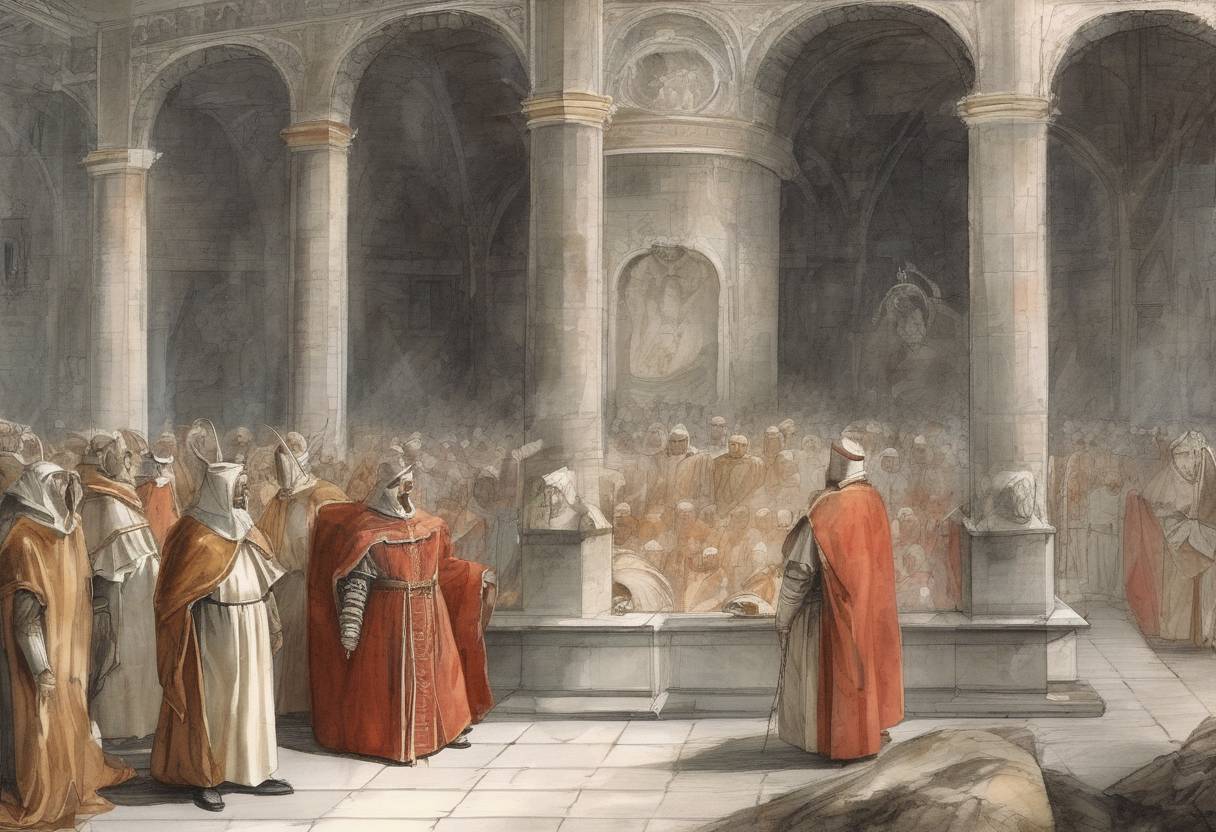
On May 15, 1252, Pope Innocent IV issued the papal bull Ad extirpanda, a significant and controversial document in the history of the Catholic Church and the medieval Inquisition. This decree authorized the use of torture as a means to extract confessions from individuals accused of heresy.
The 13th century was a period marked by the Catholic Church’s efforts to combat heresy, particularly in response to movements such as the Cathars and Waldensians, which challenged the Church’s doctrines and authority. The Inquisition, established in the early 13th century, was the Church’s institutional response to these perceived threats. It aimed to identify, try, and punish heretics, thereby preserving the orthodoxy and unity of the Christian faith.
The bull Ad extirpanda laid out specific guidelines for the use of torture:
The issuance of Ad extirpanda marked a turning point in the methods employed by the Inquisition. It institutionalized the use of torture, which would become a common practice in inquisitorial procedures in the following centuries. This decision had profound implications:
The practices sanctioned by Ad extirpanda continued to evolve, with the Inquisition becoming more formalized and widespread in subsequent centuries, particularly during the Spanish Inquisition. The use of torture remained a contentious issue within the Church and among secular authorities, leading to ongoing debates about the ethics and effectiveness of such methods.
In summary, the papal bull Ad extirpanda represents a critical moment in the history of the Inquisition, reflecting the Church’s determination to combat heresy by any means deemed necessary, while also highlighting the moral and ethical dilemmas associated with the use of coercive interrogation techniques.
Source: en.wikipedia.org