The Russo-Georgian War: August 7, 2008
2008 · Tskhinvali, Georgia
The Russo-Georgian War began when Georgia launched a military operation to regain control over the breakaway region of South Ossetia, leading to a military response from Russia.
August 8, 2008
The Russo-Georgian War began as Georgia launched a military operation to regain control over the breakaway region of South Ossetia, leading to a conflict with Russia.
Tskhinvali, Georgia | Georgian government
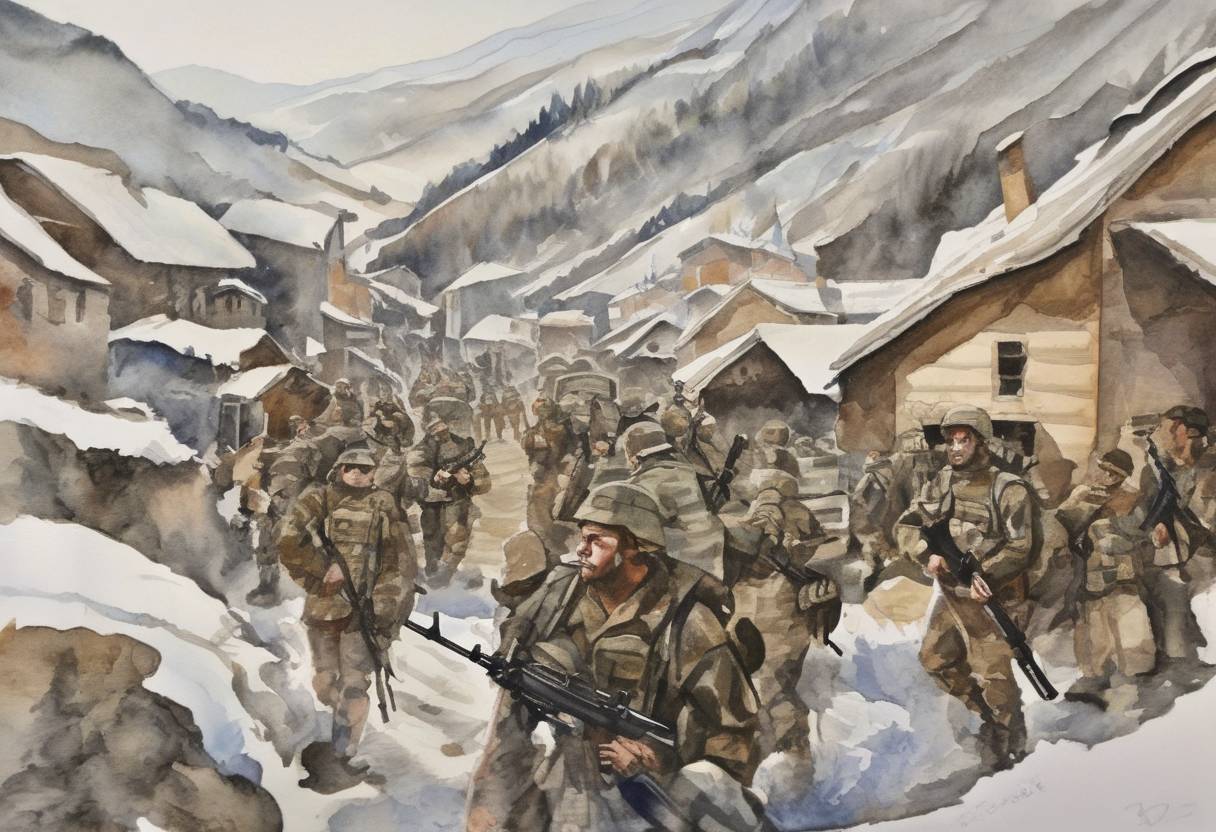
On August 8, 2008, the Russo-Georgian War began, marking a significant conflict in the post-Soviet space. This brief but intense war was rooted in the complex geopolitical dynamics of the Caucasus region and involved Georgia’s attempt to reassert control over the breakaway region of South Ossetia, which led to a military confrontation with Russia.
The origins of the conflict can be traced back to the early 1990s, following the dissolution of the Soviet Union. Both South Ossetia and Abkhazia, another region in Georgia, sought independence, leading to conflicts that resulted in de facto independence, though not widely recognized internationally. Russia played a significant role in supporting these separatist regions, complicating Georgia’s efforts to reintegrate them.
Rising Tensions: Throughout the 2000s, tensions between Georgia and Russia escalated. Georgia, under President Mikheil Saakashvili, pursued closer ties with the West, including aspirations to join NATO, which Russia viewed as a threat to its sphere of influence.
Military Buildup: In the months leading up to August 2008, both sides increased their military presence in and around South Ossetia. Skirmishes and provocations became more frequent, heightening the risk of a larger conflict.
Georgian Offensive: On the night of August 7-8, 2008, Georgia launched a military operation to regain control over South Ossetia, targeting the regional capital, Tskhinvali. This move was met with a swift and overwhelming response from Russia.
Russian Intervention: Russia accused Georgia of aggression and launched a large-scale military intervention, citing the need to protect Russian citizens and peacekeepers in South Ossetia. Russian forces quickly advanced into Georgian territory, including the strategic city of Gori.
International Reaction: The conflict drew significant international attention, with Western nations criticizing Russia’s actions and calling for a ceasefire. Diplomatic efforts, led by French President Nicolas Sarkozy, who held the EU presidency at the time, resulted in a ceasefire agreement on August 12, 2008.
Recognition of Independence: Following the conflict, Russia recognized the independence of South Ossetia and Abkhazia, further straining relations with Georgia and the West. This recognition has been largely unrecognized by the international community.
Geopolitical Impact: The war highlighted the volatile nature of post-Soviet geopolitics and underscored the challenges of integrating former Soviet states into Western institutions. It also marked a turning point in Russia’s foreign policy, demonstrating its willingness to use military force to assert its interests in the region.
Humanitarian Impact: The conflict resulted in significant civilian casualties and displacement, with thousands of people affected by the fighting and its aftermath.
The Russo-Georgian War remains a pivotal moment in the history of the Caucasus, influencing regional dynamics and international relations to this day.
Source: www.bbc.com