Fire in Dhaka Garment Factory - November 24, 2018
2018 · Dhaka, Bangladesh
A fire in a garment factory in Dhaka, Bangladesh, resulted in the deaths of at least 112 workers, highlighting ongoing safety issues in the country's garment industry.
April 23, 2013
The Rana Plaza building in Bangladesh collapsed, killing over 1,100 people and injuring more than 2,500, highlighting the poor working conditions in the garment industry.
Savar, Bangladesh | Rana Plaza
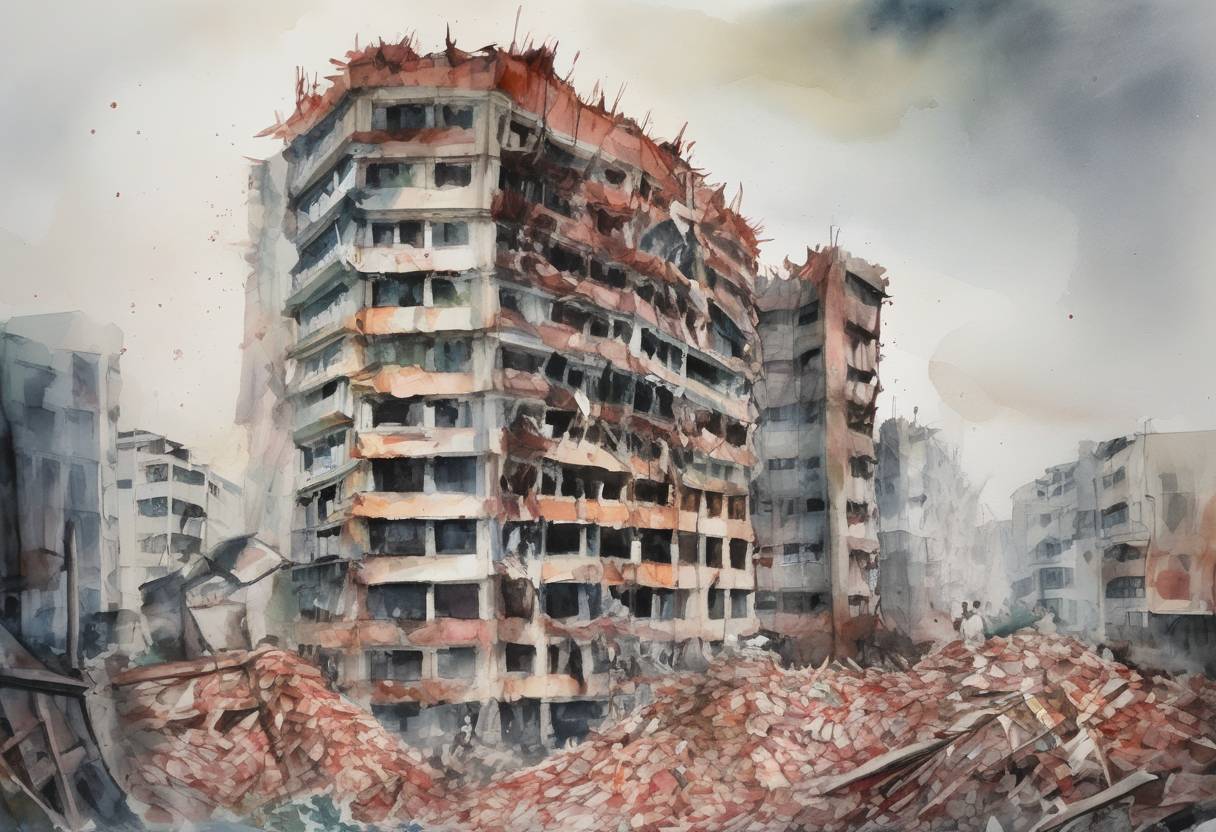
On April 23, 2013, the Rana Plaza building in Savar, a suburb of Dhaka, Bangladesh, collapsed in one of the deadliest industrial disasters in history. This tragic event resulted in the deaths of over 1,100 people and injured more than 2,500, drawing global attention to the perilous working conditions in the garment industry.
Rana Plaza was an eight-story commercial building that housed several garment factories, a bank, apartments, and shops. The garment factories produced clothing for many well-known global brands, making it a crucial node in the international supply chain of the fashion industry. Bangladesh, at the time, was the world’s second-largest exporter of garments, a sector that employed millions and was vital to the country’s economy.
In the days preceding the collapse, cracks were discovered in the building, prompting an evacuation and a temporary closure. However, the building’s owner, Sohel Rana, allegedly ignored warnings and insisted that the structure was safe. Factory managers reportedly pressured workers to return to their jobs the following day, threatening them with loss of pay if they refused.
On the morning of April 24, 2013, as thousands of workers resumed their duties, the building suddenly gave way. The collapse was catastrophic, with the structure pancaking downwards, trapping thousands of workers under the rubble. Rescue operations were immediately launched, but the scale of the disaster overwhelmed local emergency services.
The Rana Plaza disaster sparked international outrage and highlighted the severe deficiencies in building safety standards and labor conditions within the garment industry. It led to widespread protests in Bangladesh and prompted calls for reform from labor rights organizations worldwide.
In response, the Bangladesh government and international stakeholders took several measures:
The Rana Plaza collapse served as a wake-up call for the global fashion industry, highlighting the human cost of fast fashion and the need for ethical sourcing and production practices. It underscored the interconnectedness of global supply chains and the responsibility of multinational corporations to ensure the safety and well-being of workers in developing countries.
The disaster remains a pivotal moment in the ongoing struggle for workers’ rights and corporate accountability, reminding the world of the importance of ethical labor practices and the need for continued vigilance and reform in the garment industry.
Source: en.wikipedia.org