United Nations General Assembly 73rd Session - September 27, 2018
2018 · New York City, United States
The United Nations General Assembly held its 73rd session, where global leaders discussed pressing international issues.
September 8, 2000
The United Nations Millennium Summit, one of the largest gatherings of world leaders, concludes after being held in New York City. During the summit, world leaders adopt the Millennium Declaration, setting out eight Millennium Development Goals to reduce poverty, hunger, and disease by 2015.
New York City, United States | United Nations
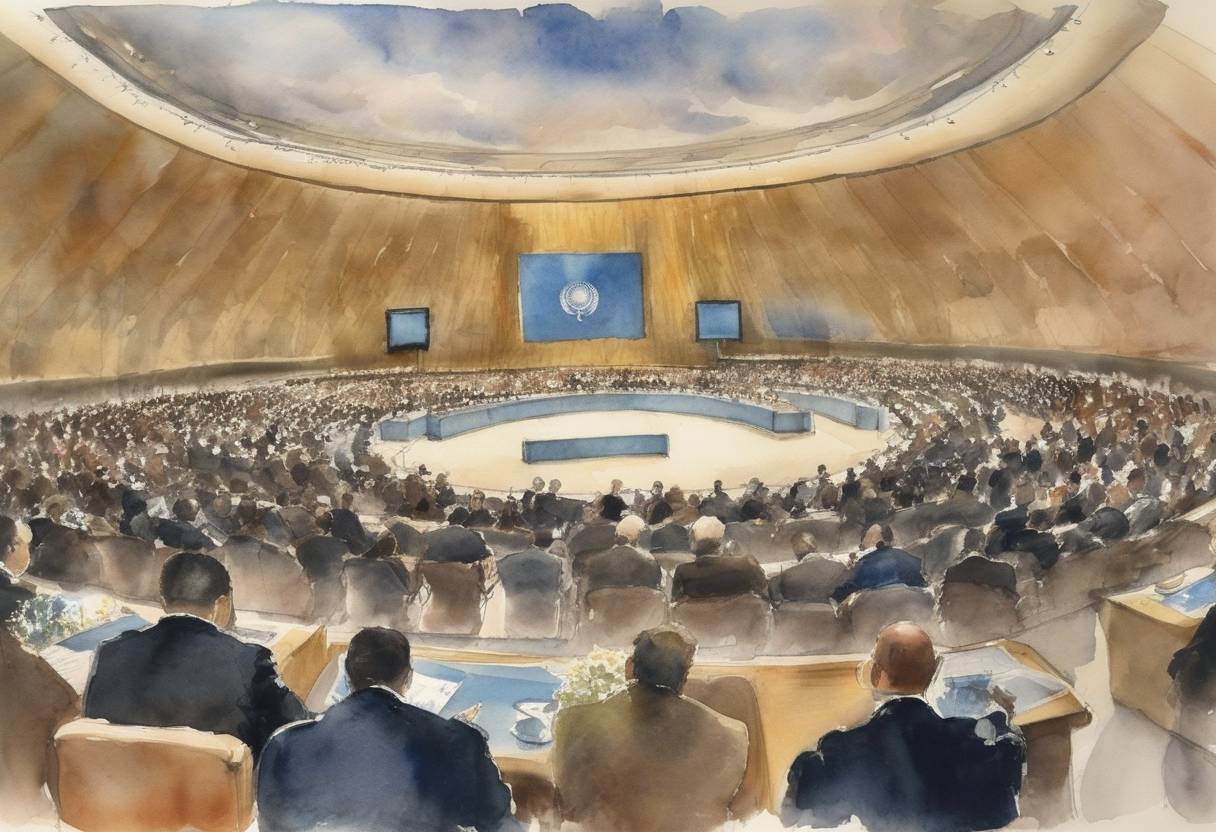
The United Nations Millennium Summit, one of the largest gatherings of world leaders in history at the time, concluded on September 8, 2000. Held at the United Nations Headquarters in New York City, the summit attracted representatives from 189 member states, including 100 heads of state and government.
During the summit, world leaders adopted the Millennium Declaration, a comprehensive document pledging to address the inequalities faced by the world’s poor. The declaration set the stage for the creation of the Millennium Development Goals (MDGs), aimed at reducing global poverty and fostering sustainable development by 2015.
The eight prioritized goals established by the Millennium Declaration were:
The declaration and these goals marked a significant commitment by the global community to tackle some of the world’s most pressing development issues. The framework provided a structured approach for international collaboration, resource allocation, and policy-making to enhance global development.
In the years following the Millennium Summit, the MDGs became central to policy agendas worldwide, guiding development efforts and inspiring a range of initiatives aimed at improving health, education, gender equality, and environmental sustainability. Though not all targets were fully met by the 2015 deadline, significant progress was made, and the MDGs laid the groundwork for the subsequent Sustainable Development Goals (SDGs) adopted in 2015.
Source: www.un.org