U.S. Imposes New Sanctions on Russia - April 28, 2014
2014 · Washington, D.C., United States
The United States imposes new sanctions on Russia in response to the annexation of Crimea and the ongoing crisis in Ukraine.
January 31, 2022
The United States and its allies formally accuse Russia of planning to fabricate a pretext for invading Ukraine, escalating tensions in the region.
Washington, D.C., United States | United States Government
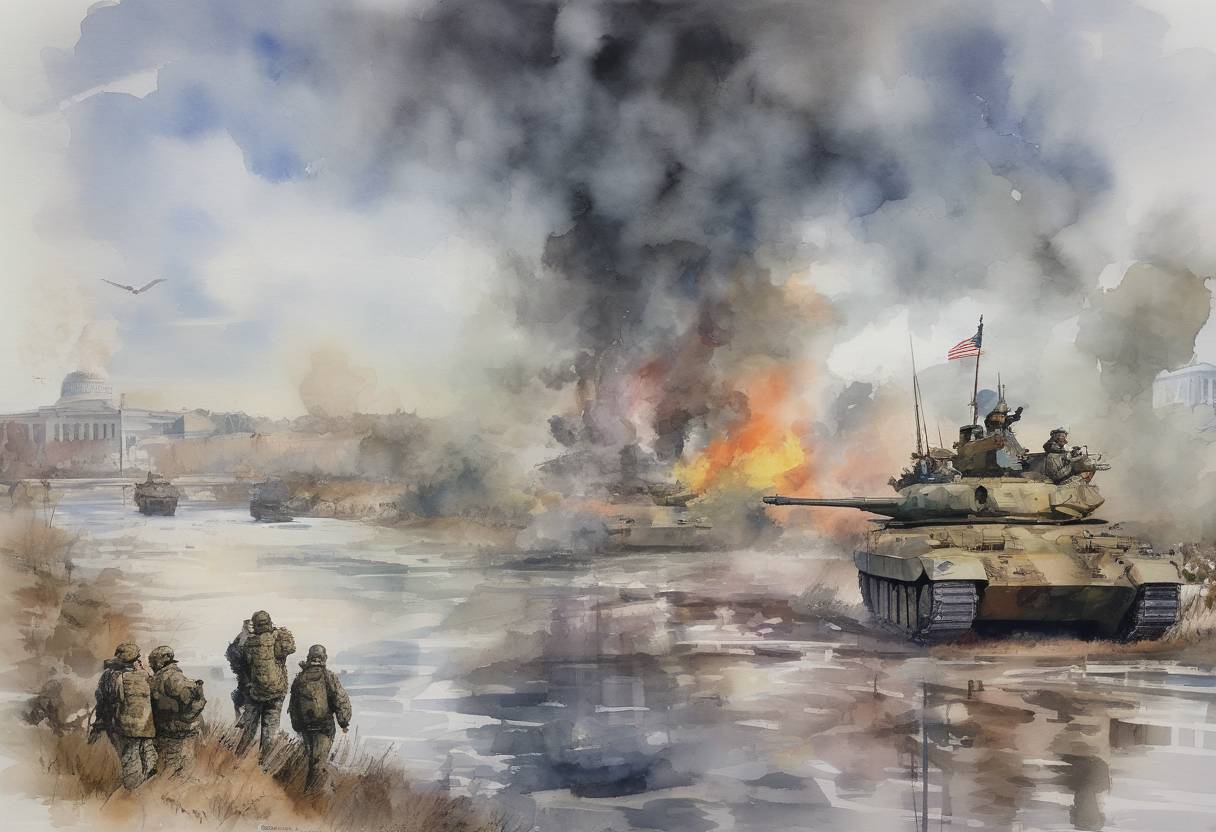
On January 31, 2022, the United States and its allies formally accused Russia of planning to fabricate a pretext for invading Ukraine. This accusation marked a significant escalation in the already heightened tensions between Russia and Western nations over Ukraine.
The situation in Ukraine had been tense since 2014, following Russia’s annexation of Crimea and the ongoing conflict in Eastern Ukraine between Ukrainian forces and Russian-backed separatists. In late 2021, Russia began amassing a large number of troops along its border with Ukraine, raising international concerns about a potential invasion.
On January 31, 2022, the United States, along with its allies, publicly accused Russia of planning to create a false pretext for an invasion. This accusation was part of a broader strategy to deter Russian aggression by exposing potential plans and rallying international support for Ukraine.
The events of January 31, 2022, were part of a larger geopolitical struggle involving Russia’s influence in Eastern Europe and the West’s commitment to supporting Ukraine’s sovereignty. The situation underscored the complexities of international diplomacy and the challenges of maintaining peace in a region with a history of conflict.
The accusations and subsequent developments highlighted the importance of intelligence sharing and international cooperation in addressing potential threats to global security.
Source: www.reuters.com