2005 · Amiens, France
The first human face transplant was conducted by French surgeons on Isabelle Dinoire, who had been mauled by her dog. The operation took place in Amiens, France.
November 27, 2005
The first partial human face transplant is performed in Amiens, France, on Isabelle Dinoire, who had been mauled by a dog.
Amiens, France | Centre Hospitalier Universitaire d'Amiens
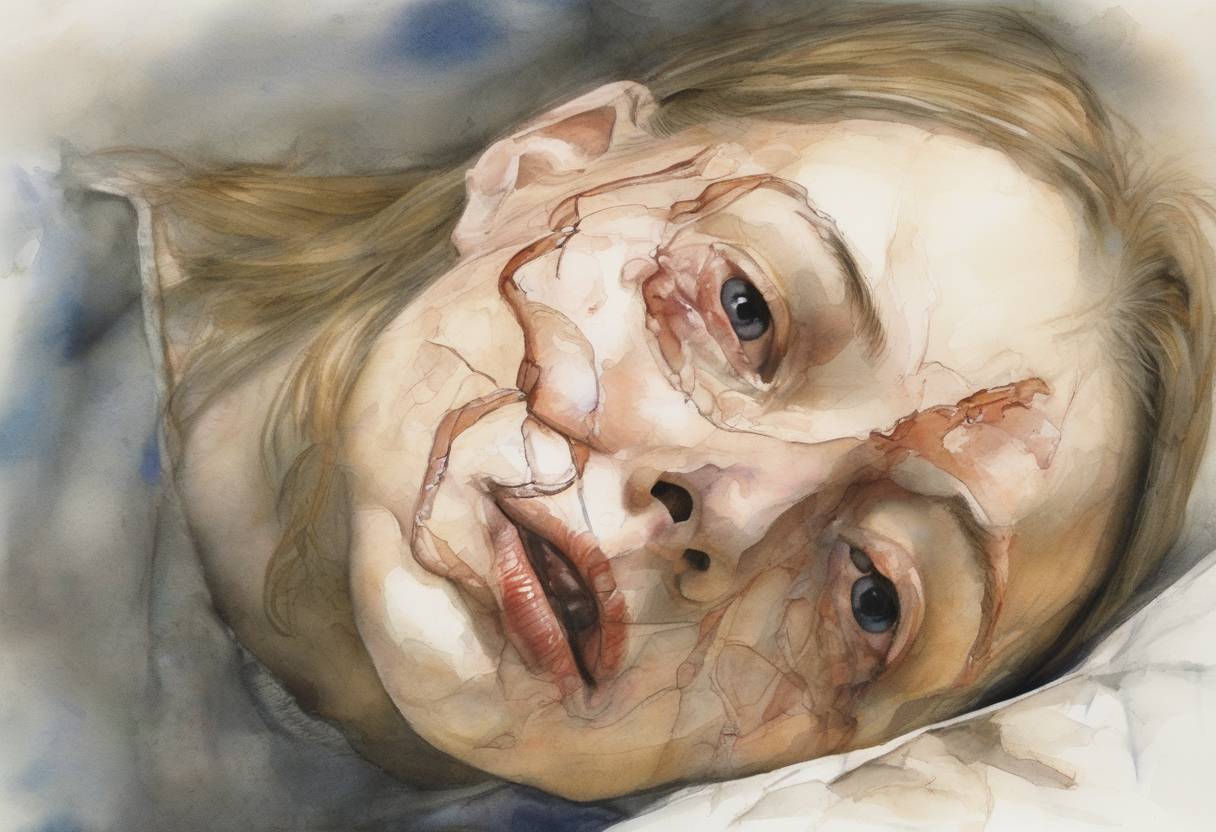
On November 27, 2005, a groundbreaking medical procedure took place in Amiens, France, marking a significant milestone in the field of reconstructive surgery. Isabelle Dinoire, a 38-year-old French woman, became the first person to receive a partial face transplant. This pioneering surgery was performed by a team of French surgeons led by Dr. Bernard Devauchelle and Dr. Jean-Michel Dubernard.
Isabelle Dinoire had suffered severe facial injuries after being mauled by her pet Labrador Retriever earlier in the year. The attack left her with extensive damage to her nose, lips, and chin, severely affecting her ability to eat, speak, and lead a normal life. Traditional reconstructive surgery options were limited and unlikely to restore full functionality or appearance.
The procedure involved transplanting a triangular section of the face, including the nose, lips, and chin, from a brain-dead donor. The surgery lasted approximately 15 hours and required the intricate reconnection of blood vessels, nerves, and muscles to ensure functionality and appearance.
This surgery was a landmark in medical history for several reasons:
Innovation in Transplant Surgery: It demonstrated the potential for face transplants to restore both function and appearance for individuals with severe facial disfigurements.
Ethical Considerations: The procedure raised important ethical questions about identity, consent, and the psychological impact on recipients and donors’ families.
Medical Advancements: It paved the way for future advancements in transplantation techniques and post-operative care, including immunosuppressive therapy to prevent rejection.
Following the surgery, Isabelle Dinoire underwent extensive rehabilitation to regain muscle control and facial expressions. She also faced challenges with immunosuppressive medication and psychological adjustments. Despite these hurdles, the surgery significantly improved her quality of life.
The success of Dinoire’s transplant inspired further developments in the field, leading to more comprehensive full-face transplants in subsequent years. It also sparked ongoing discussions about the ethical and psychological dimensions of such procedures.
Isabelle Dinoire’s courage and the pioneering work of her surgical team have left a lasting impact on both medical science and the lives of individuals with severe facial injuries, offering hope and new possibilities for reconstructive surgery.
Source: www.bbc.com