Coca-Cola's Introduction: May 29, 1886
1886 · Atlanta, United States
Pharmacist John Pemberton placed an advertisement for his new beverage, Coca-Cola, in the Atlanta Journal, introducing it to the public.
April 23, 1985
Coca-Cola announced the introduction of New Coke, a reformulation of its flagship drink, which was met with widespread consumer backlash and is considered one of the biggest marketing blunders in history.
Atlanta, United States | Coca-Cola Company
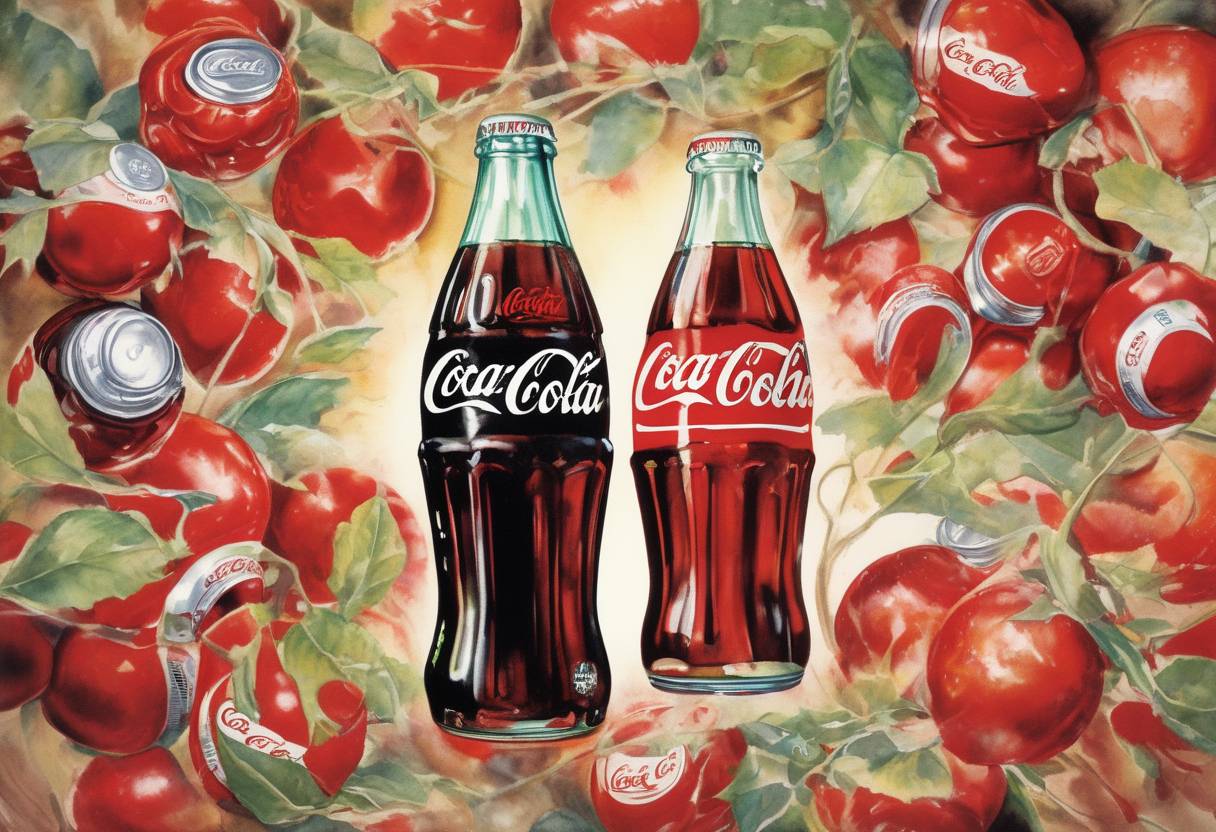
On April 23, 1985, The Coca-Cola Company made a significant announcement that would become one of the most infamous marketing blunders in history: the introduction of “New Coke.” This reformulation of its flagship beverage, Coca-Cola, was intended to rejuvenate the brand and compete more effectively with its rival, Pepsi. However, the decision was met with widespread consumer backlash, leading to a swift and historic reversal.
In the early 1980s, Coca-Cola was facing increasing competition from Pepsi, which had been gaining market share with its aggressive marketing campaigns, including the popular “Pepsi Challenge” taste tests. These tests suggested that a significant number of consumers preferred the sweeter taste of Pepsi over Coca-Cola. In response, Coca-Cola executives decided to reformulate their iconic drink to create a sweeter version that they believed would appeal more to contemporary tastes.
On April 23, 1985, Coca-Cola announced the launch of New Coke, a new formula that was the first change to the drink’s recipe in 99 years. The company believed that the new taste would revitalize the brand and help it regain its competitive edge. The announcement was accompanied by a major marketing campaign, and the original formula was discontinued.
The introduction of New Coke was met with immediate and intense backlash from consumers. Loyal Coca-Cola drinkers were outraged by the change, and many expressed their dissatisfaction through letters, phone calls, and protests. The company received over 40,000 calls and letters, with many consumers demanding the return of the original formula. The backlash was so severe that it became a cultural phenomenon, with some consumers even hoarding cans of the original Coca-Cola.
The negative response to New Coke forced Coca-Cola to reconsider its decision. On July 11, 1985, just 79 days after the introduction of New Coke, the company announced the return of the original formula, rebranded as “Coca-Cola Classic.” This move was met with widespread relief and celebration among consumers. The return of the original formula helped restore the brand’s image and loyalty among its customer base.
The New Coke debacle is often cited as a classic example of a marketing misstep. It highlighted the importance of understanding consumer attachment to a brand and the risks of altering a beloved product. Despite the initial failure, the incident ultimately strengthened Coca-Cola’s brand loyalty and demonstrated the power of consumer influence.
In retrospect, the New Coke episode serves as a valuable lesson in marketing and brand management, illustrating the complexities of consumer behavior and the potential consequences of underestimating brand loyalty.
Source: en.wikipedia.org