The West, Texas Fertilizer Plant Explosion - April 17, 2013
2013 · West, United States
An explosion at a fertilizer plant in West, Texas, killed 15 people and injured over 160, causing widespread damage to the surrounding area.
June 12, 2010
A fuel tanker explosion in South Kivu, Democratic Republic of the Congo, resulted in at least 230 deaths, many of whom were watching World Cup soccer at the time.
South Kivu, Democratic Republic of the Congo | local government
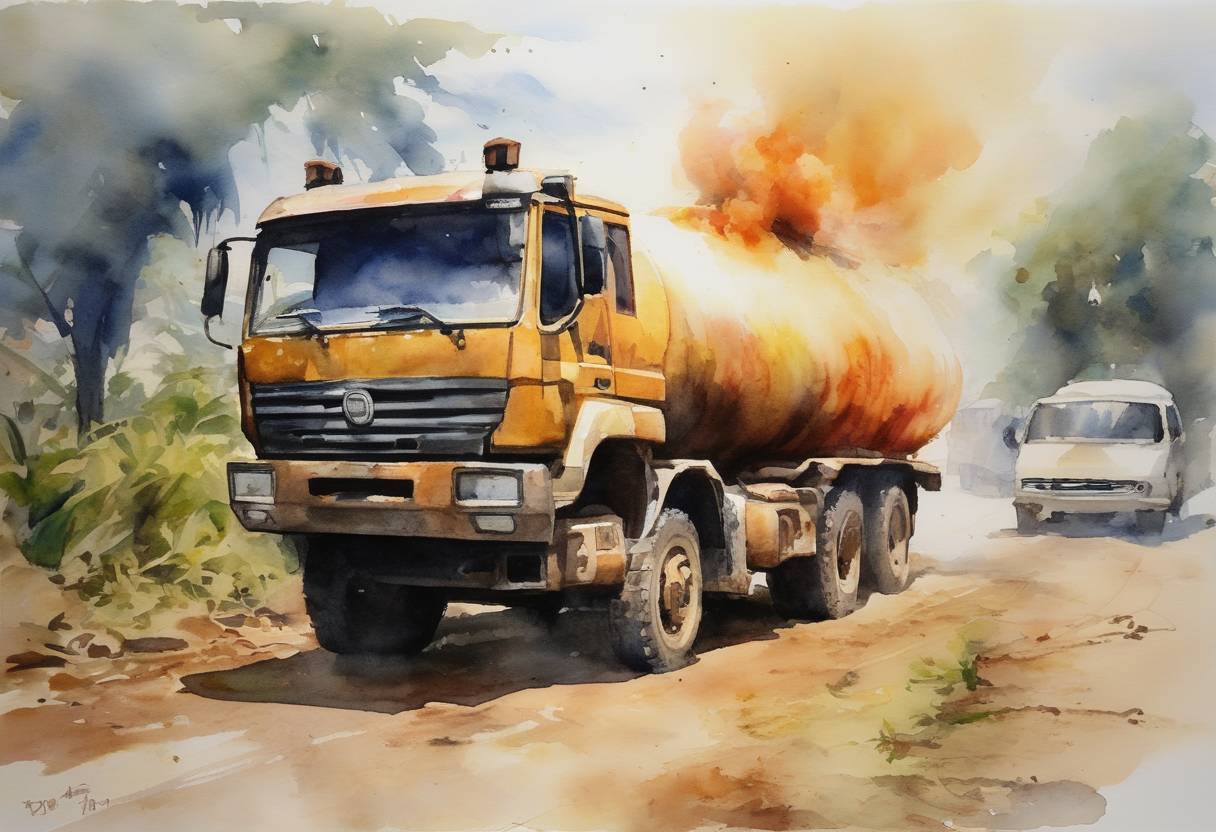
On June 12, 2010, a tragic fuel tanker explosion occurred in the village of Sange, located in the South Kivu province of the Democratic Republic of the Congo (DRC). The catastrophe resulted in the death of at least 230 people and left many others injured.
The explosion took place during the evening when many villagers were watching a World Cup soccer match. The region, situated near the border with Burundi, had a significant portion of its population gathered in makeshift cinemas to enjoy the game. This high concentration of spectators contributed to the tragic scale of the disaster.
The incident began when a fuel tanker overturned while attempting to navigate past a convoy of trucks. The tanker, which was transporting diesel fuel, began to leak in the village center. In an unfortunate chain of events, the spilled fuel caught fire, leading to a massive explosion.
The fire spread rapidly, fueled by the presence of overcrowded residential structures and the flammable materials within them. Many of the fatalities occurred as the fire engulfed nearby huts, while other victims were caught in the blaze as they attempted to flee the scene.
The immediate aftermath saw a significant number of the injured receiving treatment from available medical facilities, though resources were limited. The Congolese government and international organizations provided support, including medical supplies and emergency response teams.
The explosion highlighted severe infrastructural challenges in the region, including road safety issues and the management of hazardous materials. This tragedy drew international attention to the urgent need for improved transport safety measures and emergency response protocols in the DRC.
The South Kivu tanker explosion of 2010 remains one of the deadliest of its kind in the nation’s history. It underscored the vulnerabilities faced by rural communities in the DRC, particularly regarding infrastructure and emergency preparedness. The disaster prompted discussions on increasing safety regulations for transporting hazardous materials, and on enhancing emergency response strategies to better protect remote and underserved communities.
Source: www.theguardian.com