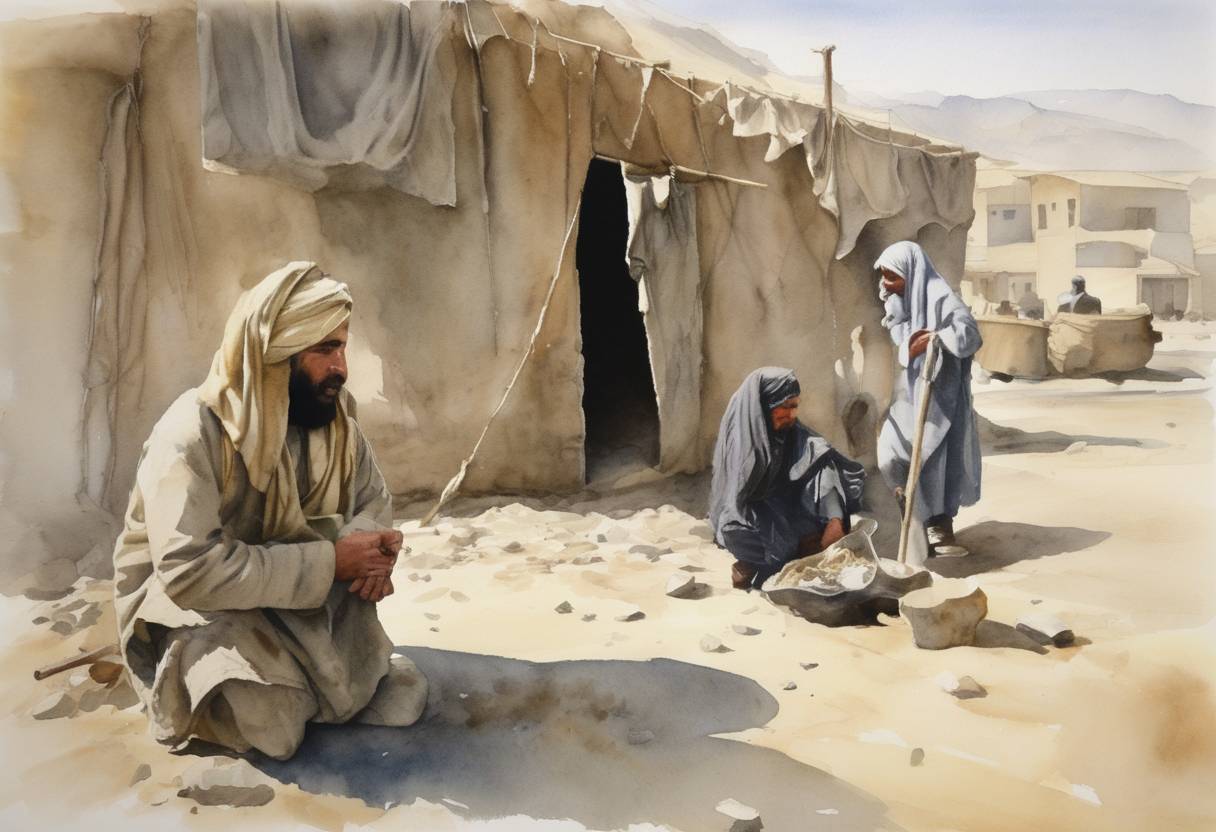
ICRC Worker Kidnapped in Afghanistan on March 25, 2008
On March 25, 2008, an employee of the International Committee of the Red Cross (ICRC) was kidnapped in Afghanistan’s southern province of Kandahar. The individual, a French national named Laurent Maurice, was conducting a field mission when he was abducted by armed men. His abduction took place in an area frequently plagued by conflict and instability due to ongoing military operations and insurgent activities.
Context and Background
The kidnapping occurred against the backdrop of the broader conflict in Afghanistan, which saw heightened violence as the Taliban insurgency intensified. During this period, international aid workers were often targeted for abductions, as they were perceived as instruments of foreign powers, despite their neutral and humanitarian mandates.
Official Response and Efforts
The ICRC, known for its strict impartial stance in conflict zones, immediately engaged in intensive negotiations to secure Maurice’s release. The organization refrained from commenting extensively on the specifics of the negotiations, adhering to its policy of confidentiality in sensitive situations to ensure the safety of its staff.
The government of France also became involved, working alongside Afghan authorities and other international entities to exert diplomatic pressure for a peaceful resolution. Kidnappings such as this one highlighted the dangers faced by humanitarian workers in volatile regions and underscored the challenges of providing aid amidst conflict.
Resolution and Outcome
Nearly a month following his abduction, on April 28, 2008, Laurent Maurice was released unharmed. The circumstances surrounding his release were not disclosed, consistent with the ICRC’s practice of maintaining a low profile to avoid jeopardizing future operations and negotiations.
Historical Significance
The incident was part of a pattern of increased risks for humanitarian workers in Afghanistan during this period. It emphasized the courageous yet perilous conditions under which international organizations operated to deliver crucial aid. The ICRC’s ability to secure the release of its staff without violence reinforced the importance of neutrality and dialogue in zones of conflict.
The event further illuminated the complex security environment in Afghanistan, where aid agencies continuously recalibrated their approaches to navigate the risks and effectively support local communities amidst enduring instability.