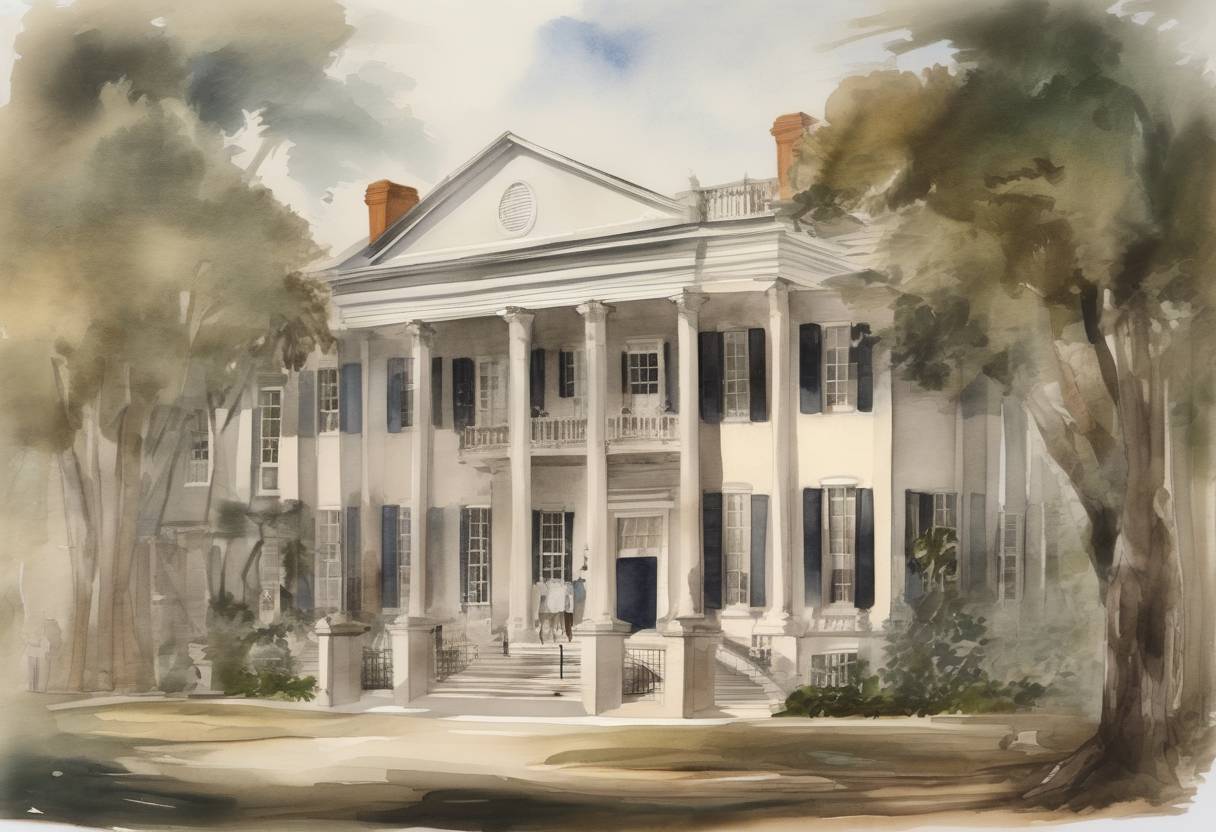
The Opening of the First Public Colonial American Museum
On January 12, 1773, the first public museum in Colonial America opened its doors in Charleston, South Carolina. This significant event marked a pivotal moment in the cultural and educational development of the American colonies.
Background
The establishment of the museum was spearheaded by the Charleston Library Society, an organization founded in 1748 by a group of young intellectuals and planters. The society aimed to promote knowledge and education in the colony, and the creation of a museum was a natural extension of its mission.
The Museum’s Inception
- Location: The museum was housed in the same building as the Charleston Library Society, located on Broad Street in Charleston.
- Collections: The museum’s initial collections included a variety of natural history specimens, cultural artifacts, and curiosities. These were intended to educate the public and stimulate intellectual curiosity among the colonists.
- Purpose: The museum served as a center for learning and exploration, providing access to knowledge that was otherwise difficult to obtain in the colonies. It was a place where individuals could engage with the natural world and human history in a tangible way.
Significance
The opening of the museum in Charleston was significant for several reasons:
- Cultural Development: It represented a growing interest in science, education, and culture among the American colonists, reflecting Enlightenment ideals that were gaining popularity at the time.
- Public Access: Unlike private collections that were common among the wealthy, this museum was open to the public, democratizing access to knowledge and learning.
- Precedent: The museum set a precedent for future public institutions in America, paving the way for the establishment of other museums and cultural centers.
Aftermath and Legacy
The museum in Charleston laid the groundwork for the development of public museums across the United States. Its establishment highlighted the importance of cultural and educational institutions in society. Over time, museums would become integral to American cultural life, serving as repositories of knowledge and history.
Today, the legacy of the Charleston museum can be seen in the numerous museums across the country that continue to educate and inspire the public. The Charleston Museum, which claims its origins from this early institution, is recognized as America’s first museum and continues to operate, offering insights into the region’s rich history and heritage.
In summary, the opening of the first public museum in Colonial America on January 12, 1773, was a landmark event that underscored the value of public access to knowledge and the importance of cultural institutions in society.