Taiwan Legalizes Same-Sex Marriage: May 16, 2019
2019 · Taipei, Taiwan
Taiwan became the first Asian country to legalize same-sex marriage after its parliament passed a bill allowing same-sex couples to marry.
June 18, 2004
The first of two amendments for the Republic of China (Taiwan) is approved by the Legislative Yuan, allowing referendums on national sovereignty issues.
Taipei, Taiwan | Legislative Yuan
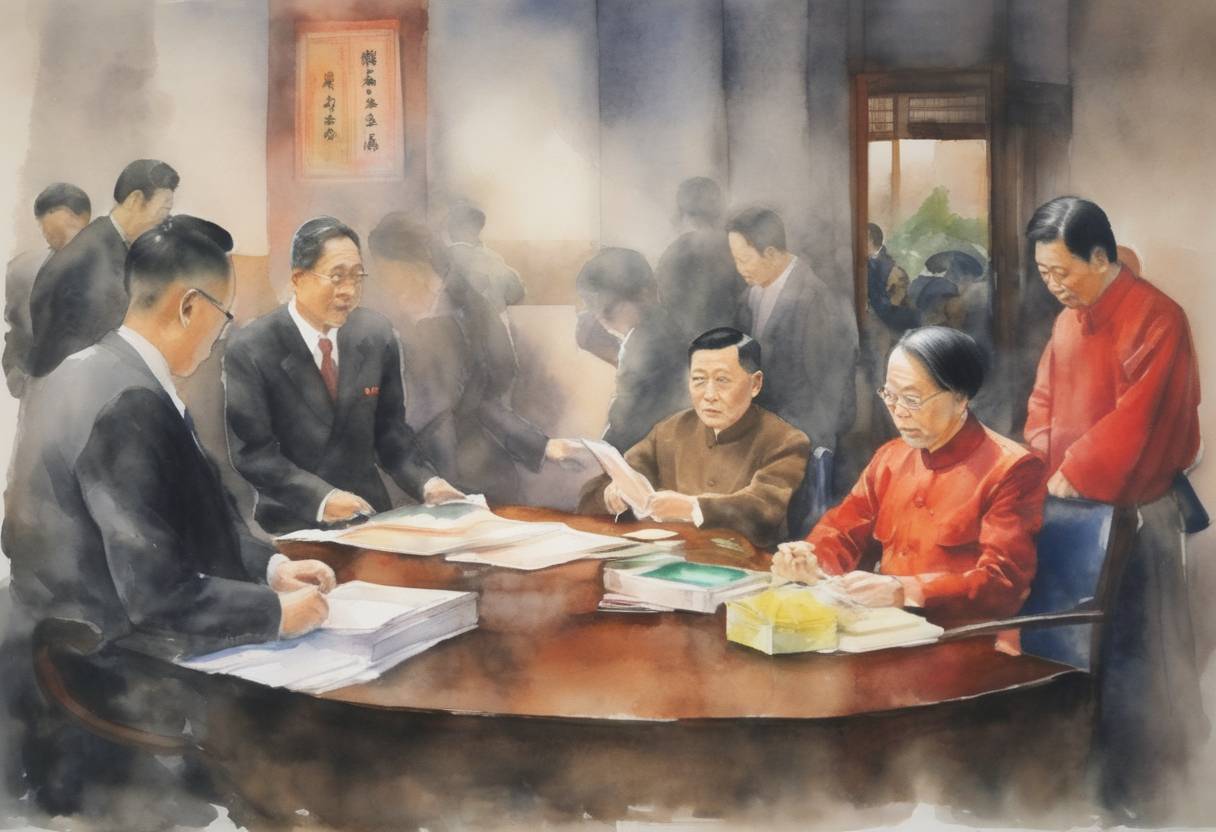
On June 18, 2004, a significant political development occurred in the Republic of China (Taiwan) when the Legislative Yuan approved the first of two constitutional amendments. This marked a pivotal moment in Taiwan’s political landscape as it allowed for referendums on issues concerning national sovereignty.
The early 2000s was a period of evolving political identity and democratization for Taiwan. Since the lifting of martial law in 1987, Taiwan had been transitioning from authoritarian rule to a more open democratic system. With increasing political pressures and calls for more public participation in decision-making processes, the demand for constitutional reforms gained momentum.
Referendum Mechanism: The core feature of the amendment was the establishment of a legal framework for the citizens of Taiwan to hold referendums, particularly on matters pertaining to national sovereignty.
Scope of Referendums: The amendment ensured that issues critical to Taiwan’s national integrity, identity, and future direction could be put directly to the people for a vote. This included potential questions around independence, unification, or changes in the status quo with respect to the People’s Republic of China.
Legislative Yuan’s Role: As Taiwan’s unicameral legislature, the Legislative Yuan played a crucial role in debating the merits and implications of the proposed amendments. The approval reflected a consensus among lawmakers to enhance democratic governance by allowing greater public involvement.
Political Climate: The move came at a time of heightened cross-strait relations, where Taiwan sought to affirm its democratic credentials while balancing complex relations with Mainland China.
Democratic Progression: The amendment was a testament to Taiwan’s commitment to increasing democratic transparency and citizen participation.
Cross-Strait Impact: The approval and potential conduct of sovereignty referendums were closely watched by China and the international community, given the sensitive nature of Taiwan’s political status.
Subsequent Developments: The success of this amendment laid groundwork for further constitutional reforms aimed at expanding political freedoms and institutional checks in Taiwan.
This legislative milestone underscored the dynamic nature of Taiwan’s political system and its ongoing journey toward reinforcing a democratic foundation that respects and prioritizes the will of its people.
Source: www.taipeitimes.com