Recognition of Baltic Independence by the Soviet Union on September 6, 1991
1991 · Moscow, Soviet Union
The Soviet Union recognizes the independence of the Baltic states: Estonia, Latvia, and Lithuania.
April 24, 1986
The Soviet Union's Government signed a decree to shut down the nuclear power plant that was behind the 1986 Chernobyl disaster within two years.
Chernobyl, Soviet Union | Soviet Government
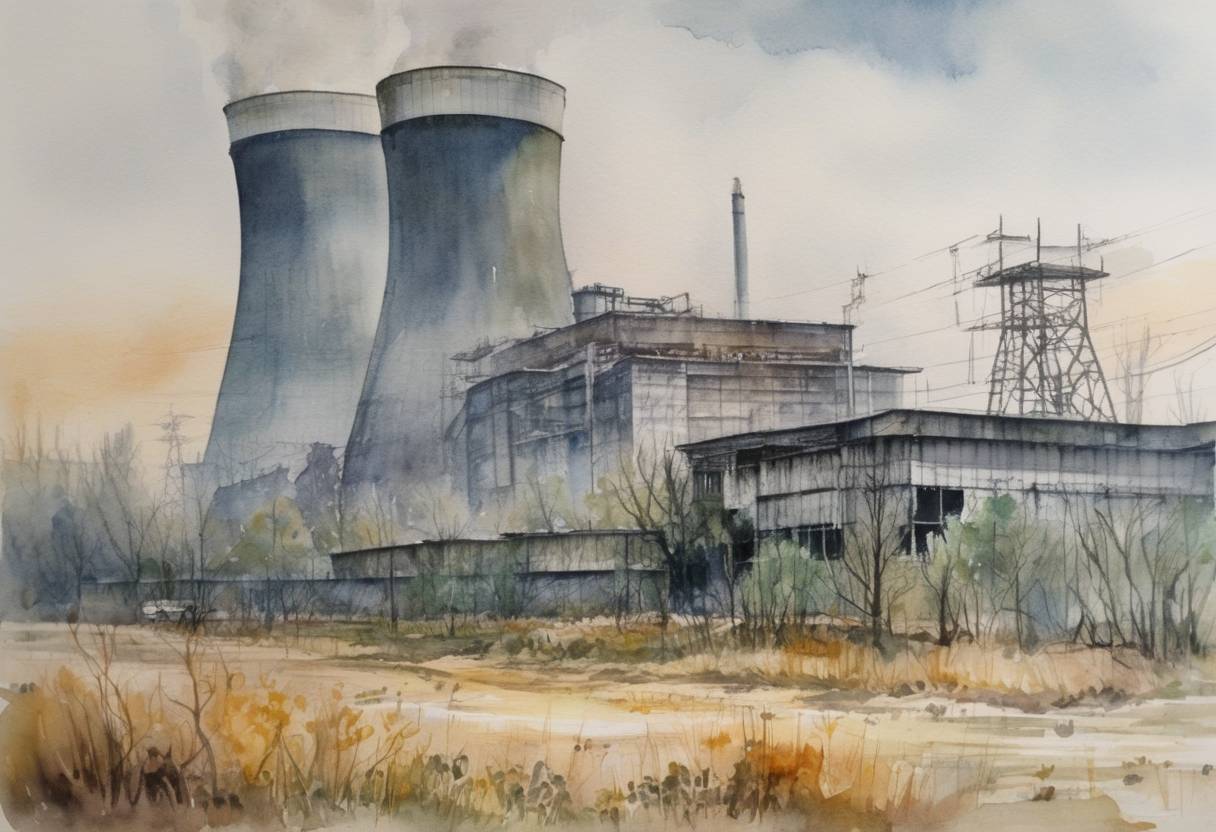
On April 24, 1986, the Soviet government made the significant decision to announce the future shutdown of the Chernobyl power plant. This pivotal decree marked a critical juncture in the history of nuclear power and underscored the enduring impact of the Chernobyl disaster on public policy, nuclear safety, and international energy discussions.
Prior to this decision, the Chernobyl Nuclear Power Plant, located near the city of Pripyat in the Ukraine SSR, was one of the largest nuclear power facilities in the world. Operated since 1977, it housed four RBMK reactor units, with a further two planned. At the time, the Soviet Union was heavily reliant on nuclear energy as part of its energy production strategy.
The decree to close the plant was intrinsically linked to the catastrophic events of April 26, 1986, when Reactor No. 4 exploded during a flawed safety test. The explosion released a significant amount of radioactive particles into the atmosphere, affecting large swathes of Europe. This incident is often cited as the worst nuclear disaster in history both in terms of cost and casualties.
In the immediate aftermath, the Soviet government imposed a massive cover-up, withholding information from the public. However, visible radiation spread forced them to acknowledge the accident, leading to the establishment of an exclusion zone and the evacuation of hundreds of thousands of people.
The shutdown plan announced by the Soviet government was part of broader measures to address the fallout from the disaster, both environmentally and politically. It signaled an understanding of the inherent dangers posed by the plant’s RBMK reactors and indicated a shift towards increased safety protocols within the Soviet nuclear program.
The announcement was a precursor to significant global changes in nuclear policy, influencing many countries to re-evaluate their own nuclear safety standards and energy strategies. It spotlighted the need for transparent communication and robust disaster management plans.
While the official closure of Chernobyl took several years, culminating in the final shutdown of operations in December 2000, this announcement marked the initial response to one of the Soviet Union’s most challenging crises. The decision underscored the limitations and risks of nuclear power if not managed with comprehensive safety measures.
Source: www.world-nuclear.org