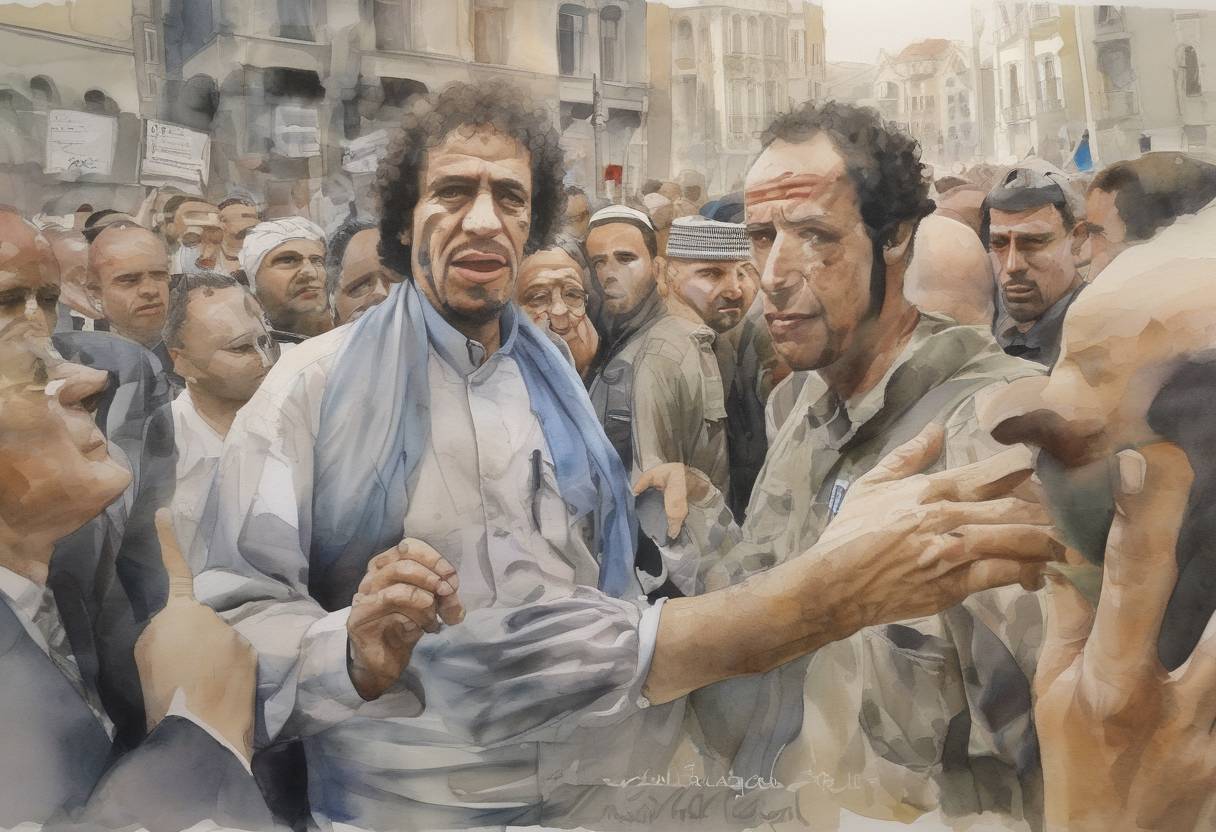
EU Sanctions on Libya - February 25, 2011
On February 25, 2011, the European Union (EU) imposed sanctions on Libya in response to the violent crackdown on anti-government protests by the regime of Muammar Gaddafi. This decision was part of a broader international response to the escalating violence and human rights abuses occurring during the Libyan Civil War, which was part of the wider wave of the Arab Spring uprisings.
Context and Background
Arab Spring: The Arab Spring was a series of anti-government protests, uprisings, and armed rebellions that spread across much of the Arab world in the early 2010s. It began in Tunisia in December 2010 and quickly spread to other countries, including Libya.
Libyan Protests: In February 2011, protests erupted in Libya against Gaddafi’s 42-year rule. The regime’s response was marked by severe violence, including the use of military force against civilians, which drew widespread international condemnation.
Key Events Leading to Sanctions
Violence Against Protesters: The Gaddafi regime’s crackdown involved the use of heavy weaponry and mercenaries against demonstrators, leading to significant casualties and human rights violations.
International Condemnation: The international community, including the United Nations and various human rights organizations, condemned the actions of the Libyan government. Calls for action against Gaddafi’s regime grew louder as reports of atrocities emerged.
Details of the EU Sanctions
Asset Freezes and Travel Bans: The EU’s sanctions included asset freezes and travel bans targeting Gaddafi and key members of his regime. These measures aimed to pressure the Libyan leadership to cease violence against civilians.
Arms Embargo: The EU also implemented an arms embargo, prohibiting the sale, supply, or transfer of arms and related materials to Libya. This was intended to prevent further escalation of violence.
Broader Historical Significance
International Response: The EU’s sanctions were part of a coordinated international effort to isolate Gaddafi’s regime. The United Nations Security Council also passed Resolution 1970, which imposed similar measures and referred the situation in Libya to the International Criminal Court.
Impact on Libya: The sanctions, along with NATO’s later military intervention, played a role in the eventual toppling of Gaddafi’s regime. However, Libya subsequently descended into a prolonged period of instability and conflict.
Legacy: The events in Libya highlighted the complexities of international intervention and the challenges of post-conflict reconstruction. The situation in Libya remains a topic of significant geopolitical interest and concern.
The EU’s decision on February 25, 2011, marked a critical moment in the international community’s response to the Libyan crisis, reflecting a commitment to uphold human rights and international law amidst the turmoil of the Arab Spring.