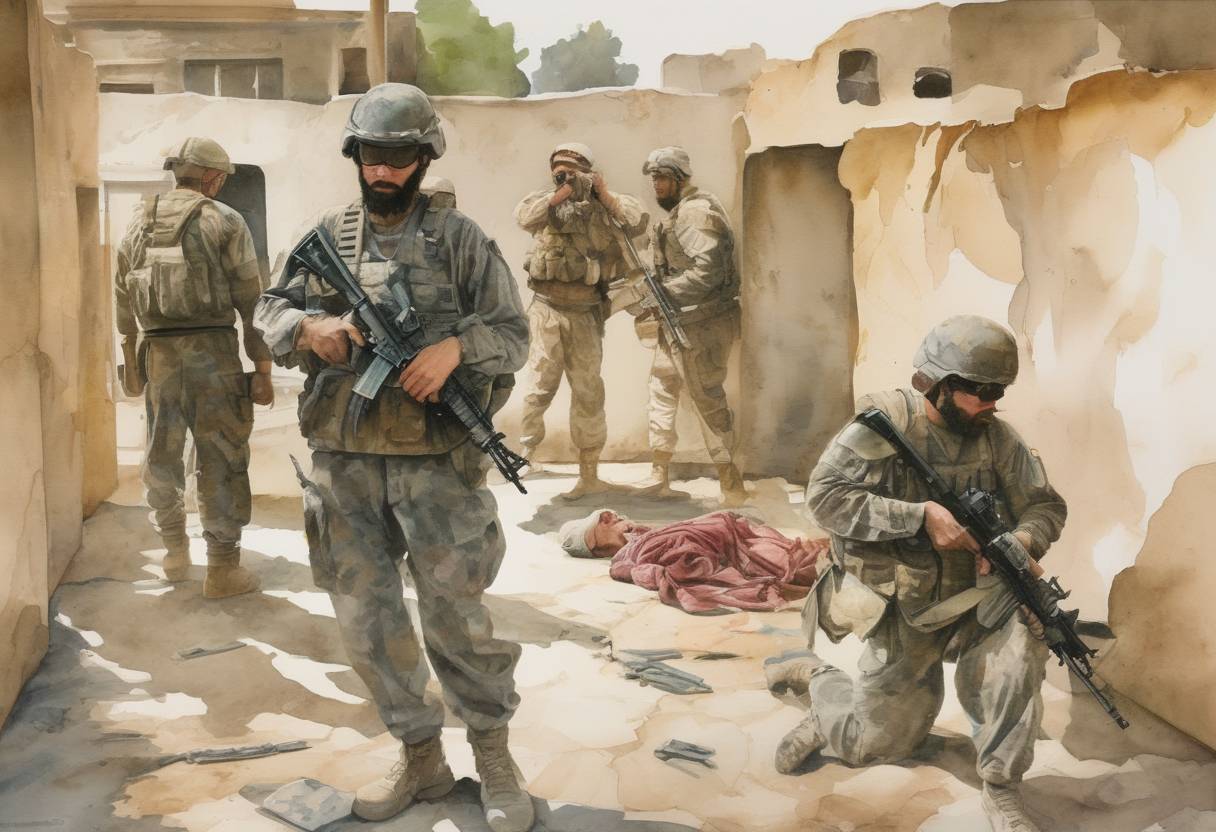
Attack on Forward Operating Base Chapman - December 28, 2009
On December 28, 2009, a devastating attack occurred at Forward Operating Base Chapman in Khost Province, Afghanistan, resulting in the deaths of seven CIA officers and contractors. This incident stands as one of the deadliest attacks against the Central Intelligence Agency (CIA) in its history.
Background
Forward Operating Base Chapman was a key site for U.S. intelligence operations in Afghanistan, particularly in the fight against al-Qaeda and Taliban insurgents. The base was used for gathering intelligence, coordinating drone strikes, and managing informants. Given its strategic importance, the base was a high-value target for insurgent groups.
The Attack
The attacker, Humam Khalil Abu-Mulal al-Balawi, was a Jordanian doctor who had been recruited by Jordanian intelligence and was working with the CIA. He was believed to be a valuable informant who could provide critical intelligence on al-Qaeda operations. On the day of the attack, al-Balawi was invited onto the base for a meeting, ostensibly to share information.
Upon arrival, al-Balawi detonated an explosive vest, killing seven CIA personnel and wounding six others. Among the dead were experienced officers and contractors, including the chief of the base. The attack was a significant blow to the CIA’s operations in the region.
Aftermath and Consequences
Security Reassessment: The attack prompted a thorough reassessment of security protocols at CIA facilities worldwide. It highlighted vulnerabilities in the agency’s handling of informants and the need for more stringent security measures.
Impact on Operations: The loss of experienced personnel and the breach of trust with informants had immediate impacts on intelligence operations in Afghanistan. It necessitated a reevaluation of strategies in the region.
Broader Implications: The attack underscored the complexities and dangers of intelligence work in conflict zones. It also illustrated the challenges of counterterrorism efforts, where adversaries could exploit trust and access to inflict significant damage.
Historical Significance
The attack at Forward Operating Base Chapman remains a stark reminder of the risks faced by intelligence personnel in volatile regions. It serves as a case study in the importance of balancing operational effectiveness with security and the ongoing challenges in the global fight against terrorism. The incident also reinforced the need for robust intelligence-sharing and collaboration between international partners in counterterrorism efforts.