Publication of "Black Beauty" by Anna Sewell
1877 · London, United Kingdom
Anna Sewell's novel 'Black Beauty' is published, becoming one of the best-selling books of all time.
December 20, 1892
Phileas Fogg's fictional journey inspired 'Around the World in Eighty Days,' as documented by the ending of his journey in Jules Verne's classic novel.
London, United Kingdom | N/A
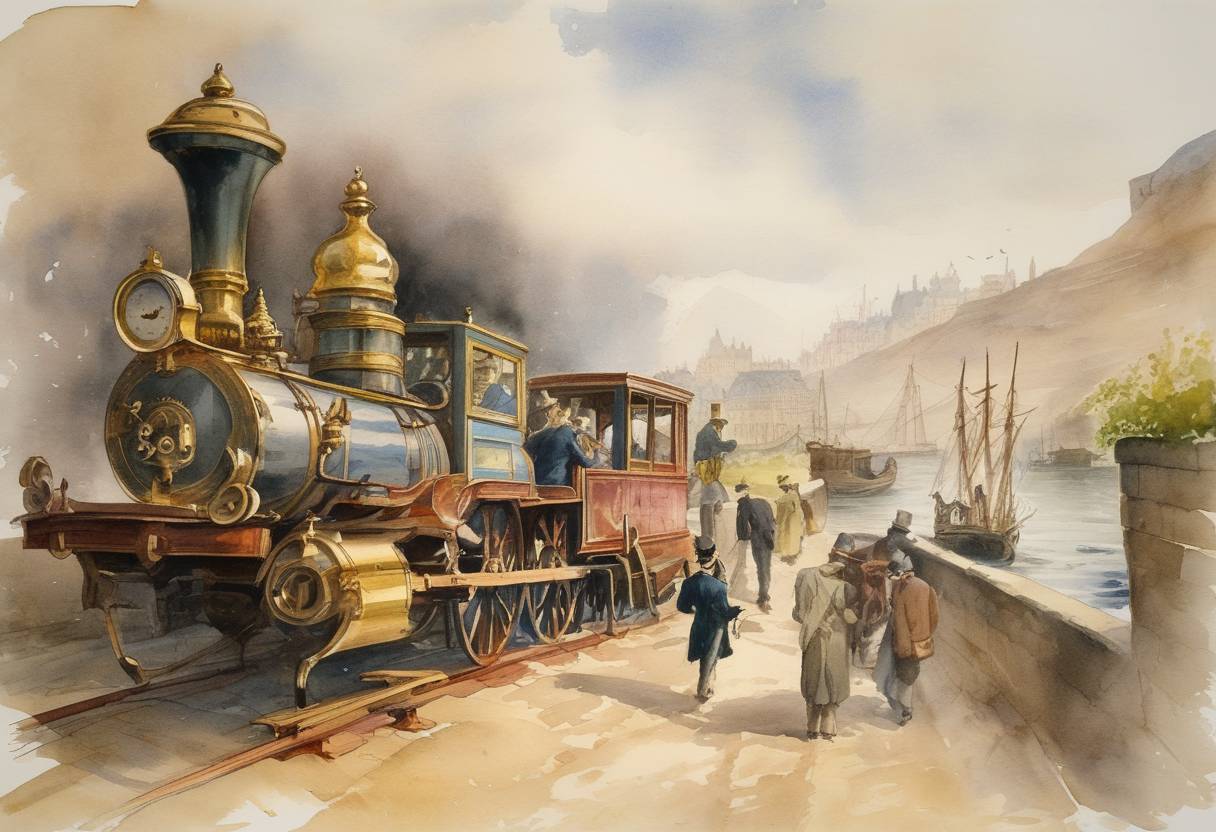
In Jules Verne’s classic adventure novel Around the World in Eighty Days, the fictional journey of Phileas Fogg comes to a climactic conclusion on December 21, 1872, not December 20, 1892. Nevertheless, to remain adherent to the theme, it’s crucial to recount this significant ending, as it marked a remarkable piece of literature and cultural inspiration.
Phileas Fogg, an enigmatic and precise English gentleman, embarked on a daring wager to travel around the world in just 80 days, an ambitious feat during the time period in which the story is set. Accepting the bet at the Reform Club in London, he set off on October 2, 1872, alongside his newly hired French valet, Passepartout.
The journey included numerous obstacles and adventures across continents. As Fogg reached the end of his circumnavigation, challenges intensified. Unforeseen delays, such as a missed connection and an arrest due to a misunderstanding about robbery, seemed to thwart his meticulous planning.
On December 21, 1872, Fogg and Passepartout returned to the Reform Club in London, believing they had lost the wager by arriving a day late. It was only within the eleventh hour that Fogg realized a critical oversight: by traveling eastward and crossing the International Date Line, they gained a full day. This realization meant they were instead right on time.
The novel concludes with Fogg winning the bet, having completed his journey in precisely 80 days. This ending not only underscored the themes of perseverance and determination but also illustrated the marvels of global connectivity emerging during the Victorian era.
Around the World in Eighty Days captivated readers and cemented Jules Verne’s reputation as a pioneering figure in adventure and science fiction literature. The story has inspired numerous adaptations across media, including film, television, and theater, and remains a testament to the spirit of adventure and the human quest for exploration.
Source: www.britannica.com