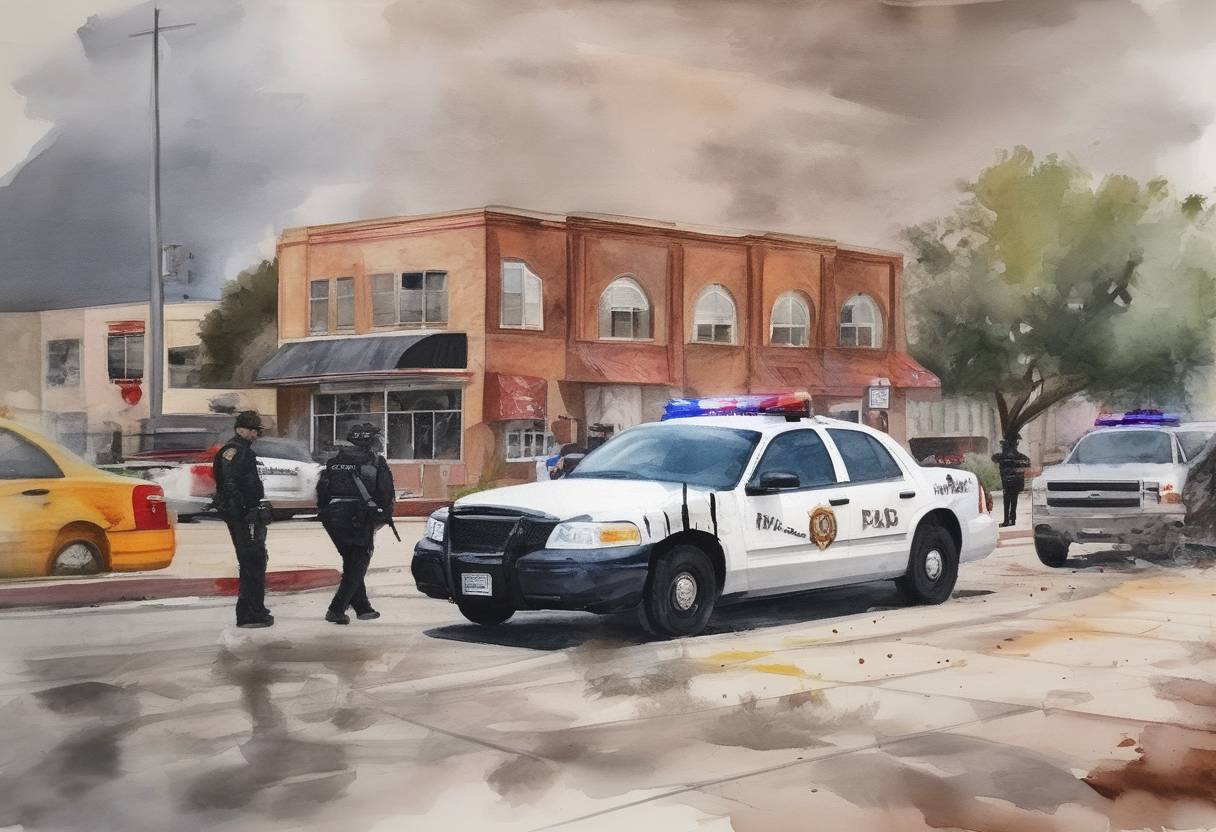
El Paso Shooting: August 3, 2019
On August 3, 2019, a tragic mass shooting occurred at a Walmart store in El Paso, Texas, resulting in 23 deaths and 23 injuries. This event stands as one of the deadliest attacks on the Latino community in modern U.S. history.
Context and Background
- Location: The shooting took place at a Walmart near the Cielo Vista Mall, a popular shopping destination in El Paso, a city with a significant Latino population.
- Perpetrator: The attacker, a 21-year-old male, traveled from Allen, Texas, to El Paso, reportedly targeting the Latino community. He was apprehended by law enforcement shortly after the attack.
- Manifesto: Prior to the shooting, the perpetrator allegedly posted a manifesto online expressing anti-immigrant and white supremacist views, which authorities linked to the motive behind the attack.
Key Events
- Timeline: The shooting began around 10:39 AM local time. The store was crowded with back-to-school shoppers, which contributed to the high number of casualties.
- Response: Law enforcement and emergency services responded swiftly, with the suspect surrendering to police outside the store. The FBI and local authorities launched a comprehensive investigation into the incident.
Aftermath and Consequences
- Community Impact: The attack deeply affected the El Paso community, sparking vigils and memorials for the victims. It also prompted discussions on gun control and domestic terrorism.
- Legal Proceedings: The suspect was charged with capital murder and faced both state and federal charges, including hate crimes. The legal process highlighted the complexities of prosecuting hate-motivated violence.
- National Reaction: The shooting reignited national debates over gun laws, immigration policies, and the rise of extremist ideologies. It also led to increased calls for measures to combat domestic terrorism.
Broader Historical Significance
- Latino Community: The attack underscored the vulnerabilities faced by minority communities in the U.S. and highlighted the need for addressing hate crimes and racial violence.
- Policy Discussions: In the wake of the shooting, there were renewed efforts to implement stricter gun control measures and to address the root causes of domestic extremism.
The El Paso shooting remains a poignant reminder of the impact of hate-fueled violence and the ongoing challenges in ensuring the safety and security of all communities.