Authorization for Use of Military Force Against Iraq Resolution of 2002
2002 · Washington D.C., United States
Congress of the United States passes a resolution authorizing President George W. Bush to use military force against Iraq.
September 22, 2001
The United States Congress passed a joint resolution authorizing the use of military force against those responsible for the attacks on September 11, 2001, which laid the groundwork for the War in Afghanistan.
Washington, D.C., United States | United States Congress
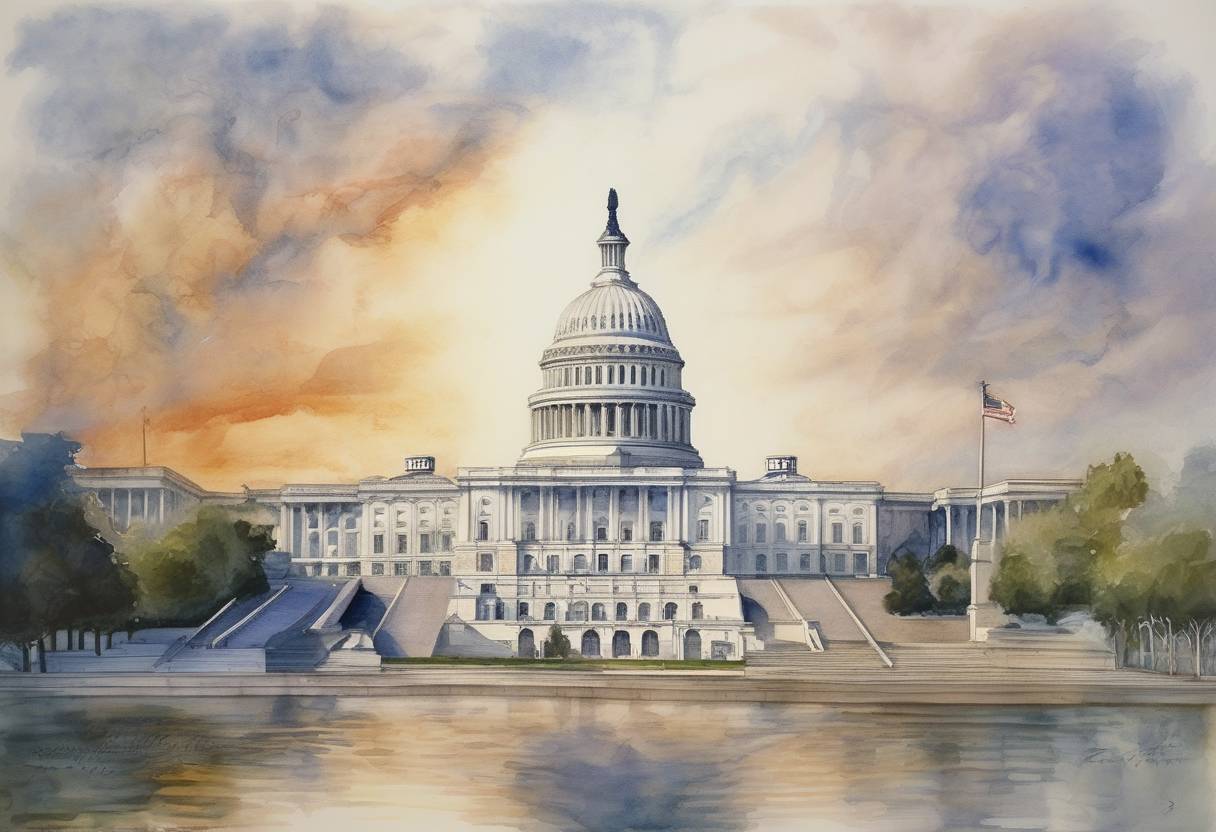
On September 22, 2001, the United States Congress passed a significant joint resolution known as the Authorization for Use of Military Force (AUMF). This legislative action was a direct response to the terrorist attacks on September 11, 2001, which had occurred just 11 days earlier. The AUMF laid the foundational legal framework for the United States’ military engagement in Afghanistan and subsequent actions in the broader War on Terror.
September 11, 2001 Attacks: On this day, al-Qaeda terrorists hijacked four commercial airplanes, crashing two into the World Trade Center towers in New York City, one into the Pentagon in Arlington, Virginia, and the fourth, United Airlines Flight 93, into a field in Pennsylvania after passengers attempted to retake control. These attacks resulted in nearly 3,000 deaths and significant national and global repercussions.
Immediate Response: In the aftermath, there was a swift call for action against those responsible. The U.S. government, led by President George W. Bush, identified al-Qaeda and its leader, Osama bin Laden, as the perpetrators, with the Taliban regime in Afghanistan providing them sanctuary.
Passage: The AUMF was passed by Congress with overwhelming support, reflecting the urgency and unity in addressing the threat posed by international terrorism. The Senate approved it unanimously, and the House of Representatives passed it with only one dissenting vote.
Provisions: The resolution authorized the President to use all “necessary and appropriate force” against those nations, organizations, or persons he determined were involved in the 9⁄11 attacks or harbored such entities. This broad mandate effectively empowered the President to initiate military operations without a formal declaration of war.
Legal Basis for Military Action: The AUMF served as the legal basis for the U.S. invasion of Afghanistan, which commenced on October 7, 2001. The objective was to dismantle al-Qaeda and remove the Taliban from power to prevent future terrorist attacks.
Long-term Implications: Over the years, the AUMF has been used to justify various military actions beyond Afghanistan, including operations against terrorist groups in different regions. Its broad language has led to debates over the scope of presidential powers in military engagements.
Ongoing Relevance: The AUMF remains a pivotal document in U.S. foreign policy and military strategy, influencing decisions and actions in the global fight against terrorism.
In summary, the passage of the AUMF on September 22, 2001, marked a crucial moment in U.S. history, setting the stage for the War in Afghanistan and shaping the country’s approach to combating terrorism in the 21st century.
Source: www.congress.gov