Cyprus Independence Agreement - February 19, 1959
1959 · London, United Kingdom
The United Kingdom granted Cyprus independence, ending British colonial rule.
January 4, 1948
Burma (now Myanmar) gained independence from the United Kingdom.
Yangon, Myanmar | British Government
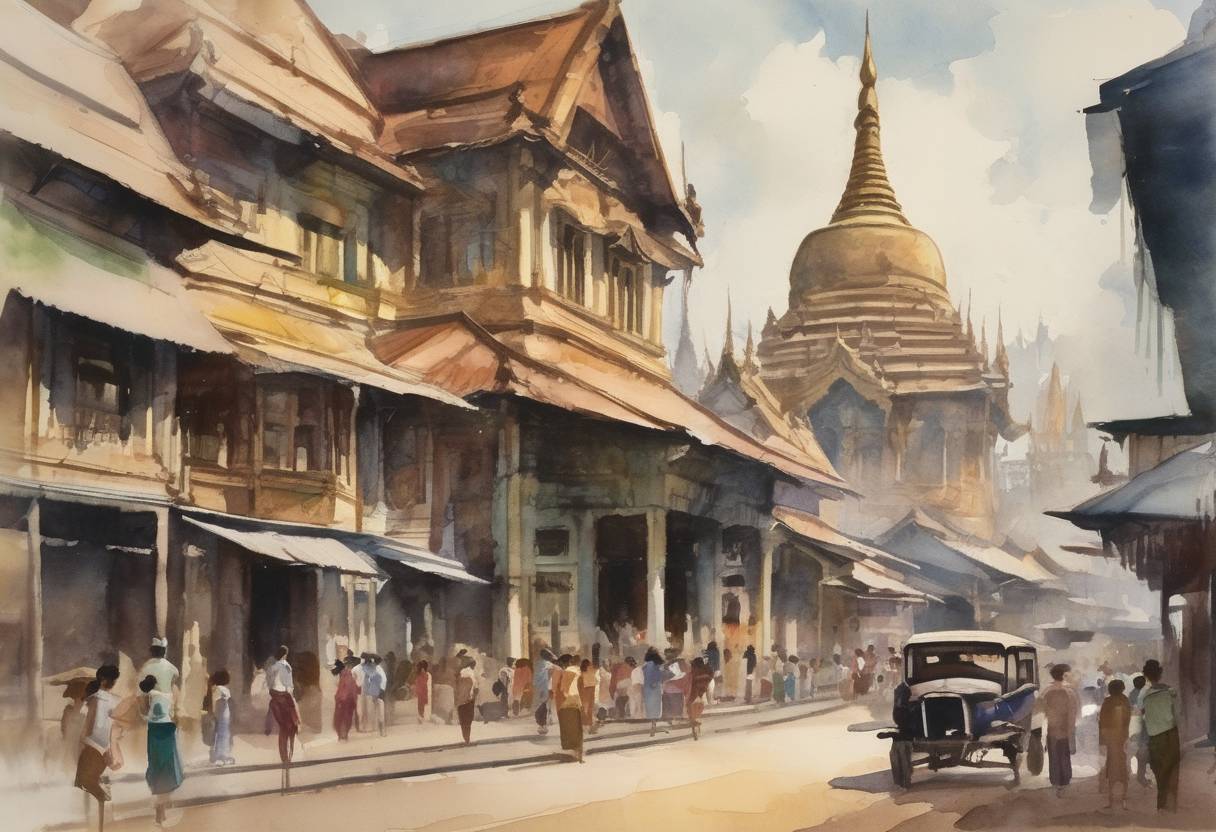
On January 4, 1948, Burma, now known as Myanmar, achieved independence from British colonial rule. This significant event marked the end of over a century of British influence in the region and the beginning of a new era for the Burmese people.
British Colonization: Burma became a part of British India after the Anglo-Burmese Wars, with the entire country falling under British control by 1886. It was administered as a province of India until 1937, when it became a separate colony.
World War II Impact: During World War II, Burma was a major battleground. The Japanese occupation from 1942 to 1945 disrupted British control and fueled nationalist sentiments among the Burmese population.
Rise of Nationalism: The struggle for independence was spearheaded by various nationalist groups, most notably the Anti-Fascist People’s Freedom League (AFPFL), led by Aung San, a prominent figure in Burma’s independence movement.
Aung San’s Leadership: Aung San played a crucial role in negotiating Burma’s independence. He was instrumental in forming the Panglong Agreement in 1947, which sought to unify the country’s diverse ethnic groups under a single government.
Constitutional Developments: In 1947, a new constitution was drafted, laying the groundwork for a parliamentary democracy. This was a significant step towards self-governance.
Assassination of Aung San: Tragically, Aung San and several members of his cabinet were assassinated in July 1947, a few months before independence. Despite this setback, the push for independence continued under the leadership of U Nu.
Post-Independence Challenges: The newly independent Burma faced numerous challenges, including ethnic tensions, political instability, and economic difficulties. The assassination of Aung San left a leadership vacuum that complicated the nation’s early years.
Long-term Impact: Burma’s independence was a significant moment in the decolonization movement across Asia. It inspired other colonies to seek self-determination and highlighted the complexities of post-colonial governance.
Modern-Day Myanmar: The country has undergone numerous political changes since independence, including military coups and transitions to civilian rule. The legacy of its struggle for independence continues to shape its national identity and political landscape.
In summary, Burma’s independence on January 4, 1948, was a pivotal moment in its history, marking the end of colonial rule and the beginning of a new chapter in its quest for national unity and self-governance.
Source: www.britannica.com