The 1993 World Trade Center Bombing
1993 · New York City, United States
The World Trade Center in New York City was bombed by terrorists, killing six people and injuring over a thousand.
December 25, 2009
A failed terrorist attack occurred on Northwest Airlines Flight 253, when a passenger attempted to detonate an explosive device on the plane as it approached Detroit, Michigan.
Detroit, United States | Al-Qaeda
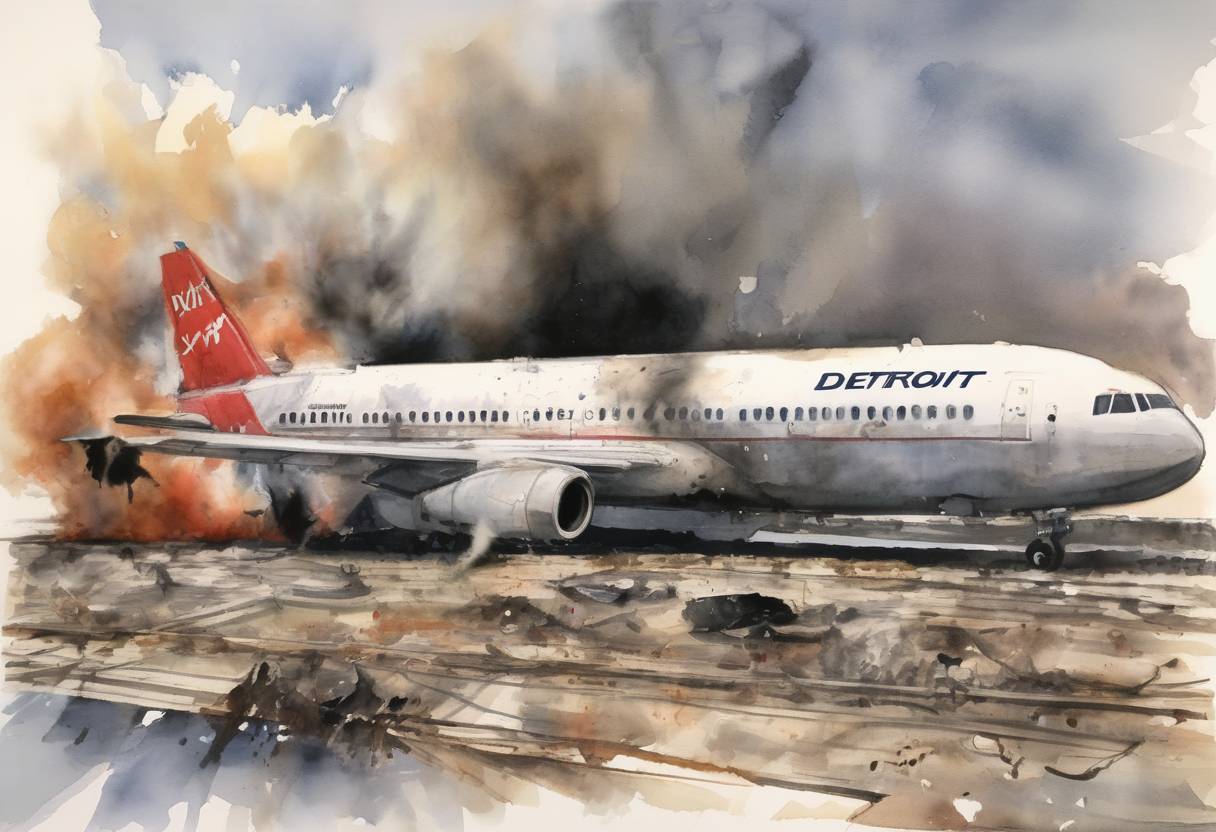
On December 25, 2009, a significant security incident occurred aboard Northwest Airlines Flight 253, a transatlantic flight from Amsterdam, Netherlands, to Detroit, Michigan, USA. This event is often referred to as the “Christmas Day bombing attempt.”
Perpetrator: The attack was carried out by Umar Farouk Abdulmutallab, a Nigerian national. He was 23 years old at the time and had concealed an explosive device in his underwear.
Explosive Device: The device contained PETN (pentaerythritol tetranitrate), a powerful explosive. Abdulmutallab attempted to detonate it as the plane was making its final approach to Detroit Metropolitan Airport.
Failure of the Attack: The device failed to detonate properly. Instead, it caused a fire, which was quickly extinguished by passengers and crew members. This quick response prevented what could have been a catastrophic explosion.
Passenger and Crew Response: Jasper Schuringa, a Dutch passenger, was instrumental in subduing Abdulmutallab. Along with other passengers and crew, Schuringa restrained the attacker and extinguished the fire.
Al-Qaeda Involvement: Abdulmutallab had been radicalized and trained by Al-Qaeda in the Arabian Peninsula (AQAP). The group claimed responsibility for the attack, marking it as part of their ongoing campaign against the United States.
Security Lapses: The incident highlighted significant lapses in international aviation security. Abdulmutallab had been on a watchlist, and his father had previously warned U.S. authorities about his son’s extremist views. However, he was still able to board the flight with the explosive device.
Increased Security Measures: The failed attack led to immediate changes in airport security protocols worldwide. The use of full-body scanners became more widespread, and there was an increased focus on intelligence sharing and passenger screening.
Legal Proceedings: Abdulmutallab was arrested and later charged with attempted use of a weapon of mass destruction, among other charges. In 2012, he was sentenced to life in prison without the possibility of parole.
Impact on Aviation Security: The incident underscored vulnerabilities in aviation security and prompted a reevaluation of security measures, leading to more stringent checks and the development of new technologies to detect concealed explosives.
The attempted bombing of Northwest Airlines Flight 253 served as a stark reminder of the persistent threat posed by international terrorism, particularly from groups like Al-Qaeda. It also demonstrated the importance of vigilance and the need for robust international cooperation in counterterrorism efforts. The event had a lasting impact on aviation security policies and practices, influencing how threats are managed and mitigated in the years that followed.
Source: www.fbi.gov