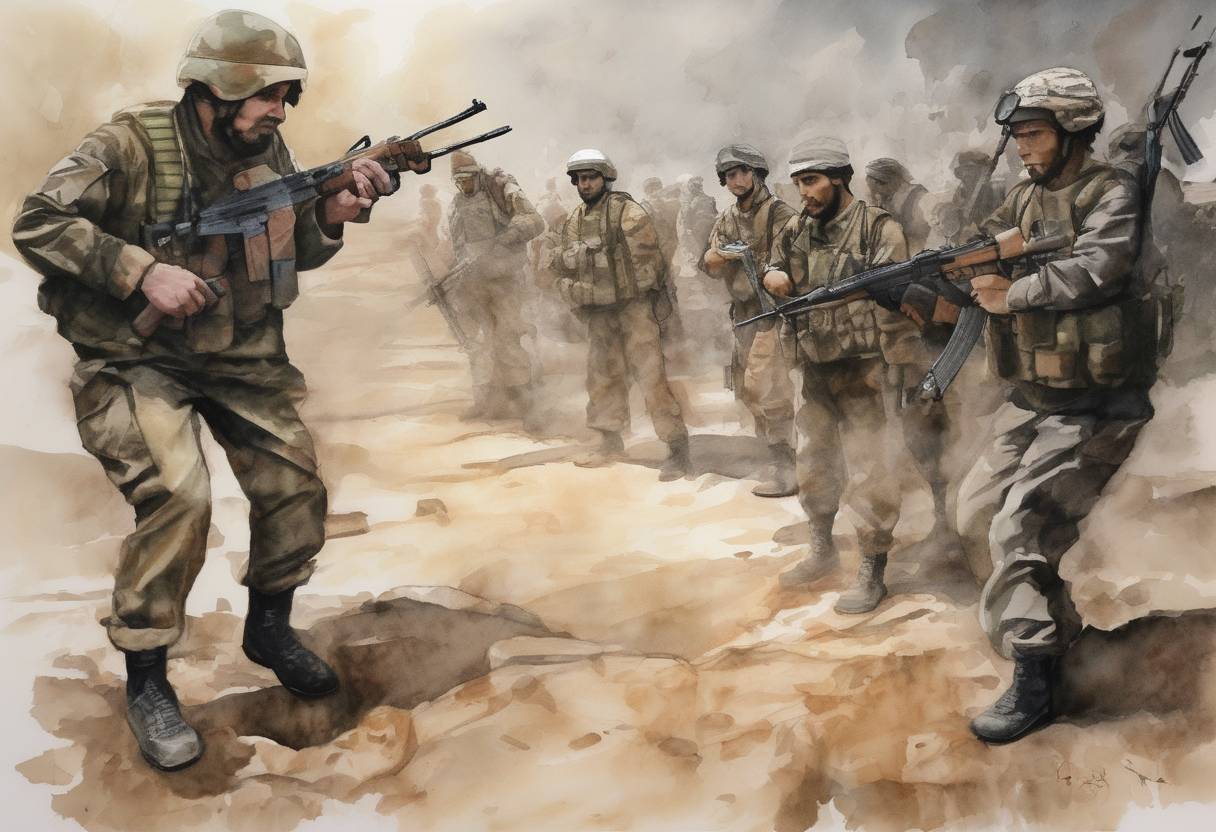
ISIL’s Escalation Against Kurdish Forces: The Beheading of a Peshmerga Soldier on August 30, 2014
On August 30, 2014, the Islamic State of Iraq and the Levant (ISIL), also known as ISIS, released a video depicting the beheading of a Kurdish soldier from the Peshmerga forces. This act marked a significant escalation in ISIL’s campaign against Kurdish forces in the region.
Context and Background
ISIL’s Rise: By 2014, ISIL had rapidly expanded its control across large swathes of Iraq and Syria, declaring a caliphate in June of that year. The group was known for its brutal tactics and use of propaganda to instill fear and recruit followers.
Kurdish Forces: The Peshmerga are the military forces of the autonomous Kurdistan Region of Iraq. They have been a key player in the fight against ISIL, often engaging in direct combat with the group to protect Kurdish territories and communities.
Tensions and Conflict: Prior to the incident, ISIL had been engaged in intense battles with Kurdish forces, particularly in northern Iraq, where the Kurds had managed to reclaim some territories from ISIL control.
The Incident
The Video: The video released by ISIL showed the execution of a Kurdish soldier, identified as a member of the Peshmerga. This act was intended as a warning to Kurdish forces and a demonstration of ISIL’s resolve to continue its campaign of terror.
Propaganda and Intimidation: The video was part of ISIL’s broader strategy of using media to spread fear and demoralize its opponents. It also aimed to deter Kurdish forces from further military engagement against ISIL.
Aftermath and Consequences
Kurdish Response: The Kurdish Regional Government and Peshmerga forces condemned the act and vowed to intensify their military efforts against ISIL. The incident galvanized Kurdish forces and their allies, leading to increased international support for their fight against ISIL.
International Reaction: The beheading drew widespread condemnation from the international community. It highlighted the brutal nature of ISIL and underscored the need for a coordinated global response to the threat posed by the group.
Military Campaigns: Following the incident, Kurdish forces, with support from the U.S.-led coalition, launched several successful offensives against ISIL, reclaiming key territories and weakening the group’s hold in the region.
Broader Historical Significance
The beheading of the Peshmerga soldier on August 30, 2014, was a stark reminder of ISIL’s brutality and the complex dynamics of the conflict in Iraq and Syria. It underscored the critical role of Kurdish forces in the fight against ISIL and highlighted the importance of international cooperation in addressing the threat of terrorism. This event also contributed to the ongoing discourse on the protection of minority groups and the need for sustainable peace in the Middle East.