Iranian Presidential Election of June 12, 2009
2009 · Tehran, Iran
The Iranian presidential election was held, leading to widespread protests and allegations of electoral fraud.
September 24, 2007
Iranian President Mahmoud Ahmadinejad delivered a controversial speech at Columbia University in New York City, sparking protests and debates over free speech.
New York City, United States | Columbia University
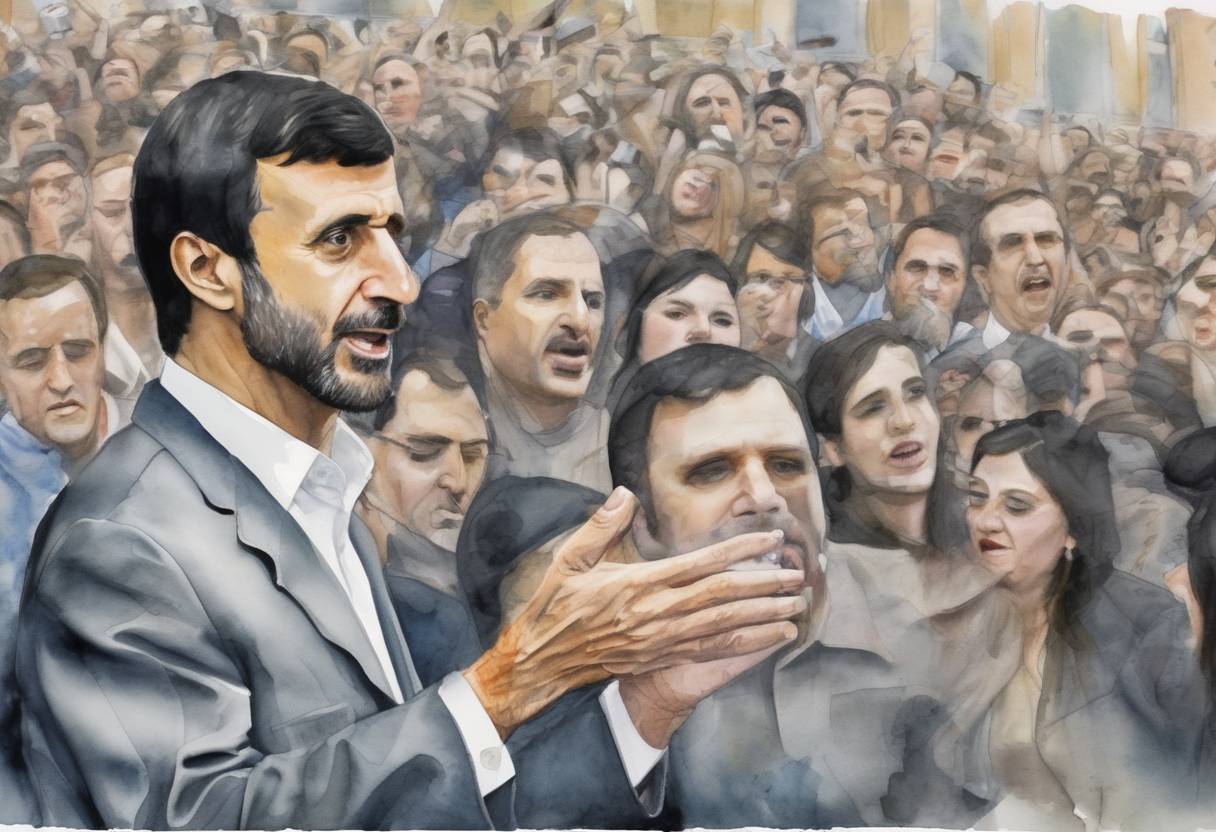
On September 24, 2007, Iranian President Mahmoud Ahmadinejad delivered a highly controversial speech at Columbia University in New York City. This event was part of his visit to the United States to attend the United Nations General Assembly. Ahmadinejad’s appearance at the university sparked significant protests and ignited a heated debate over the principles of free speech and the responsibilities of academic institutions.
Mahmoud Ahmadinejad, who served as the President of Iran from 2005 to 2013, was a polarizing figure on the international stage. His presidency was marked by contentious policies, including Iran’s nuclear program, and inflammatory rhetoric, particularly regarding Israel and the Holocaust. Ahmadinejad’s denial of the Holocaust and his calls for the destruction of Israel had drawn widespread condemnation from the international community.
Columbia University’s decision to invite Ahmadinejad was part of its World Leaders Forum, which aimed to provide a platform for global leaders to engage with the academic community. The invitation was met with intense criticism from various quarters, including political leaders, Jewish organizations, and human rights activists, who argued that giving Ahmadinejad a platform was inappropriate given his controversial views and Iran’s human rights record.
Ahmadinejad’s speech at Columbia University was preceded by a contentious introduction by the university’s president, Lee Bollinger. Bollinger criticized Ahmadinejad’s record and statements, calling him a “petty and cruel dictator.” This introduction set a confrontational tone for the event.
During his speech, Ahmadinejad addressed a range of topics, including Iran’s nuclear program, the situation in the Middle East, and his views on science and religion. He defended Iran’s right to pursue nuclear technology for peaceful purposes and criticized U.S. foreign policy in the region. Ahmadinejad also reiterated his controversial views on the Holocaust, questioning its historical accuracy, which further fueled the outrage.
The event was met with significant protests both on and off the Columbia University campus. Demonstrators included students, faculty members, and various advocacy groups who opposed Ahmadinejad’s presence and his views. The protests highlighted the tension between upholding free speech and the ethical considerations of providing a platform to controversial figures.
The speech also sparked a broader debate about academic freedom and the role of universities in facilitating dialogue with contentious figures. Supporters of the invitation argued that it was an opportunity to challenge Ahmadinejad’s views in an open forum, while critics contended that it lent legitimacy to his positions.
Ahmadinejad’s speech at Columbia University remains a significant moment in the discourse on free speech and the responsibilities of academic institutions. It underscored the complexities involved in balancing the principles of open dialogue with the potential consequences of providing a platform to individuals with divisive and harmful views.
The event also highlighted the broader geopolitical tensions between Iran and the United States, as well as the international community’s concerns over Iran’s policies and rhetoric. Ahmadinejad’s appearance at Columbia University continues to be referenced in discussions about the limits of free speech and the ethical responsibilities of educational institutions in engaging with controversial figures.
Source: www.nytimes.com