Publication of J.R.R. Tolkien's "The Hobbit"
1937 · London, United Kingdom
J.R.R. Tolkien's 'The Hobbit' was published, introducing readers to Middle-earth.
May 26, 1897
Bram Stoker's novel 'Dracula' was published, which would become one of the most famous works of Gothic horror literature.
London, United Kingdom | Archibald Constable and Company
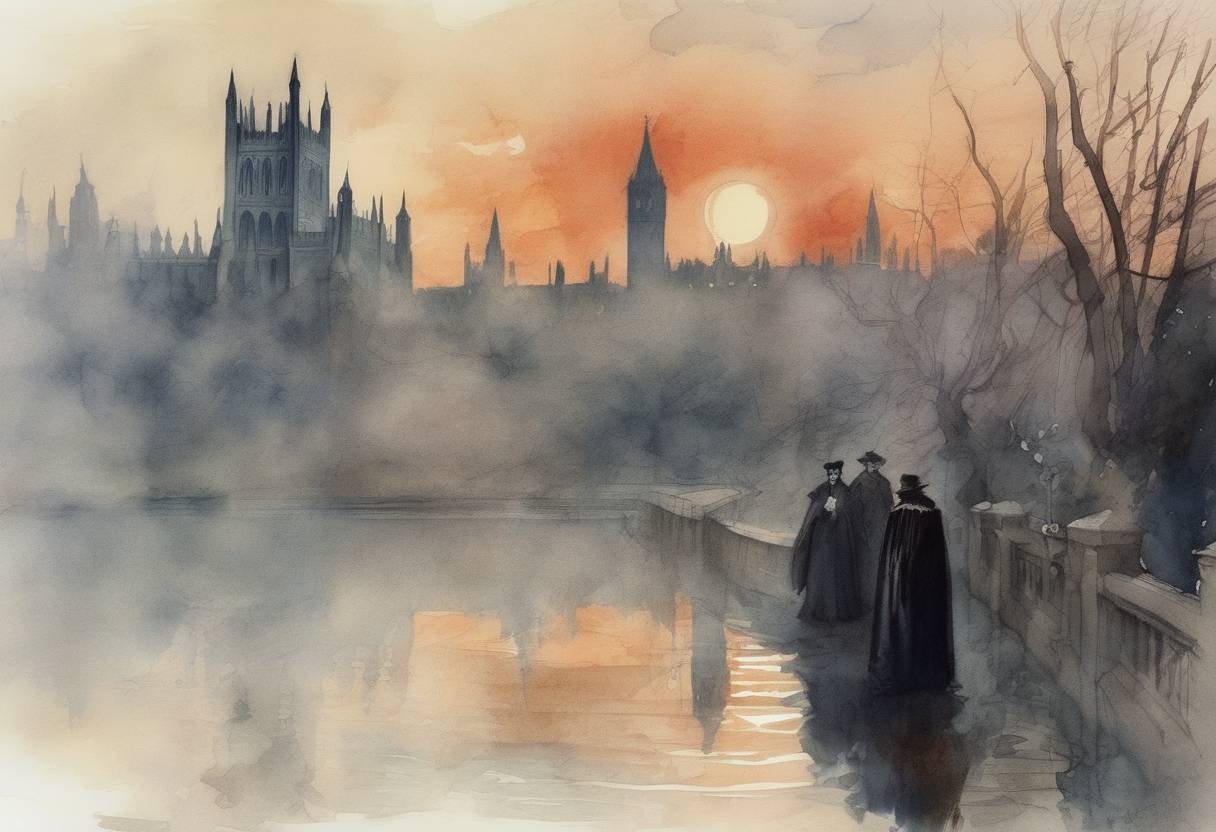
On May 26, 1897, Bram Stoker’s novel Dracula was published, marking a significant moment in the history of Gothic horror literature. This seminal work introduced the character of Count Dracula and established many conventions of subsequent vampire fantasy.
Bram Stoker: An Irish author born in 1847, Stoker was primarily known as the personal assistant of actor Sir Henry Irving and the business manager of the Lyceum Theatre in London. His writing career included several novels and short stories, but Dracula remains his most enduring legacy.
Gothic Literature: By the late 19th century, Gothic literature had evolved significantly, with works like Mary Shelley’s Frankenstein and Edgar Allan Poe’s tales of horror setting the stage for Stoker’s novel. The genre was characterized by its exploration of the supernatural, the macabre, and the psychological.
Plot: The novel is structured as an epistolary narrative, composed of letters, diary entries, newspaper articles, and ship logs. It follows the journey of Jonathan Harker to Transylvania, where he encounters Count Dracula. The story unfolds as Dracula travels to England, spreading terror and seeking new blood.
Characters: Besides Count Dracula, the novel features a memorable cast, including Jonathan Harker, Mina Murray (later Harker), Lucy Westenra, Dr. John Seward, Professor Abraham Van Helsing, and Quincey Morris. Each character plays a crucial role in the battle against Dracula.
Themes: Dracula explores themes of fear, sexuality, and the clash between modernity and ancient evil. It reflects Victorian anxieties about immigration, disease, and the erosion of traditional values.
Cultural Influence: Dracula has had a profound impact on popular culture, inspiring countless adaptations in film, television, theater, and literature. The character of Dracula has become synonymous with the vampire archetype.
Literary Significance: The novel is a cornerstone of Gothic horror and has been the subject of extensive academic analysis. It is praised for its innovative narrative structure and its exploration of complex themes.
Enduring Popularity: Over a century after its publication, Dracula remains a staple of horror literature, continuing to captivate readers with its chilling atmosphere and timeless story.
In summary, the publication of Dracula on May 26, 1897, was a pivotal event in literary history, cementing Bram Stoker’s place as a master of Gothic horror and leaving an indelible mark on the genre.
Source: en.wikipedia.org