The Gadsden Purchase: December 31, 1853
1853 · Mexico City, Mexico
The United States and Mexico signed the Gadsden Purchase agreement, whereby the US bought a strip of land along the southern boundaries of present-day Arizona and New Mexico.
April 28, 1848
Treaty of Guadalupe Hidalgo was ratified by Mexico, marking the end of the Mexican-American War and ceding large territories to the United States.
Guadalupe Hidalgo, Mexico | Mexican government
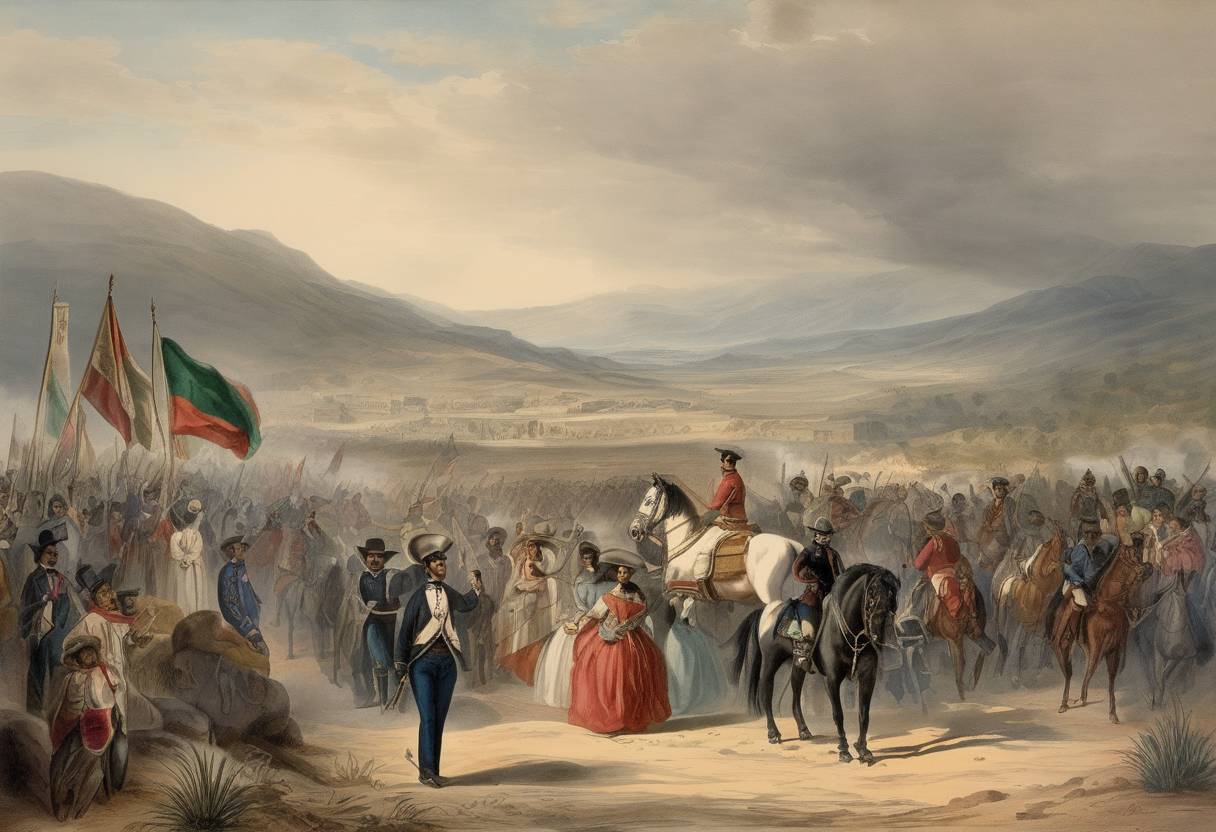
On April 28, 1848, the Mexican government ratified the Treaty of Guadalupe Hidalgo, officially ending the Mexican-American War. This pivotal agreement, originally signed on February 2, 1848, was negotiated following the U.S. military occupation of Mexico City. The ratification marked the formal acceptance by Mexico of the treaty terms, which included significant territorial concessions to the United States.
Territorial Cession: Under the treaty, Mexico ceded approximately 55% of its territory to the United States. This vast area included present-day California, Nevada, Utah, and parts of Arizona, Colorado, New Mexico, and Wyoming. This acquisition, combined with the earlier annexation of Texas, completed what is now considered the continental United States.
Financial Compensation: As part of the agreement, the United States agreed to pay Mexico \(15 million in compensation. Additionally, the U.S. took on the responsibility for settling approximately \)3.25 million in claims that American citizens had against the Mexican government.
Guarantees and Rights: The treaty guaranteed that the property rights of Mexican citizens living in the newly acquired territories would be respected. It also allowed these individuals the option to relocate to within Mexico’s new boundaries or remain on their lands and become U.S. citizens.
The Mexican-American War, which began in 1846, was primarily a result of territorial disputes following the annexation of Texas by the United States. The conflicts were fueled by the doctrine of Manifest Destiny, the belief that the expansion of the U.S. across the American continents was both justified and inevitable.
The ratification of the Treaty of Guadalupe Hidalgo had lasting impacts:
U.S. Expansion: This treaty significantly expanded the territory of the United States, setting the stage for further economic and demographic growth. The newly acquired lands were rich in resources and provided new opportunities for American development and settlement.
Mexican Politics and Society: In Mexico, the war and subsequent loss of territory led to significant political turmoil and resentment. It highlighted the weaknesses in the Mexican government and fueled internal conflict and national reflection, contributing to future instability.
Native Populations: The treaty’s land cessions and the subsequent U.S. settlement dramatically affected Indigenous populations in the region. Native peoples faced displacement, loss of traditional lands, and were subjected to U.S. federal policies that would affect their existence for generations.
The ratification of the Treaty of Guadalupe Hidalgo is pivotal in understanding the complex historical relations between the United States and Mexico and the expansionist policies of the 19th century that shaped the present-day United States.
Source: www.history.com