Switzerland's First Federal Constitution: September 12, 1848
1848 · Bern, Switzerland
Switzerland adopted its first federal constitution, which established the country as a federal state, marking a significant step in its political development.
February 7, 1971
Switzerland held a national referendum in which the majority of Swiss men voted to grant women the right to vote in federal elections, marking a significant advancement in women's rights in the country.
Bern, Switzerland | Swiss Federal Assembly
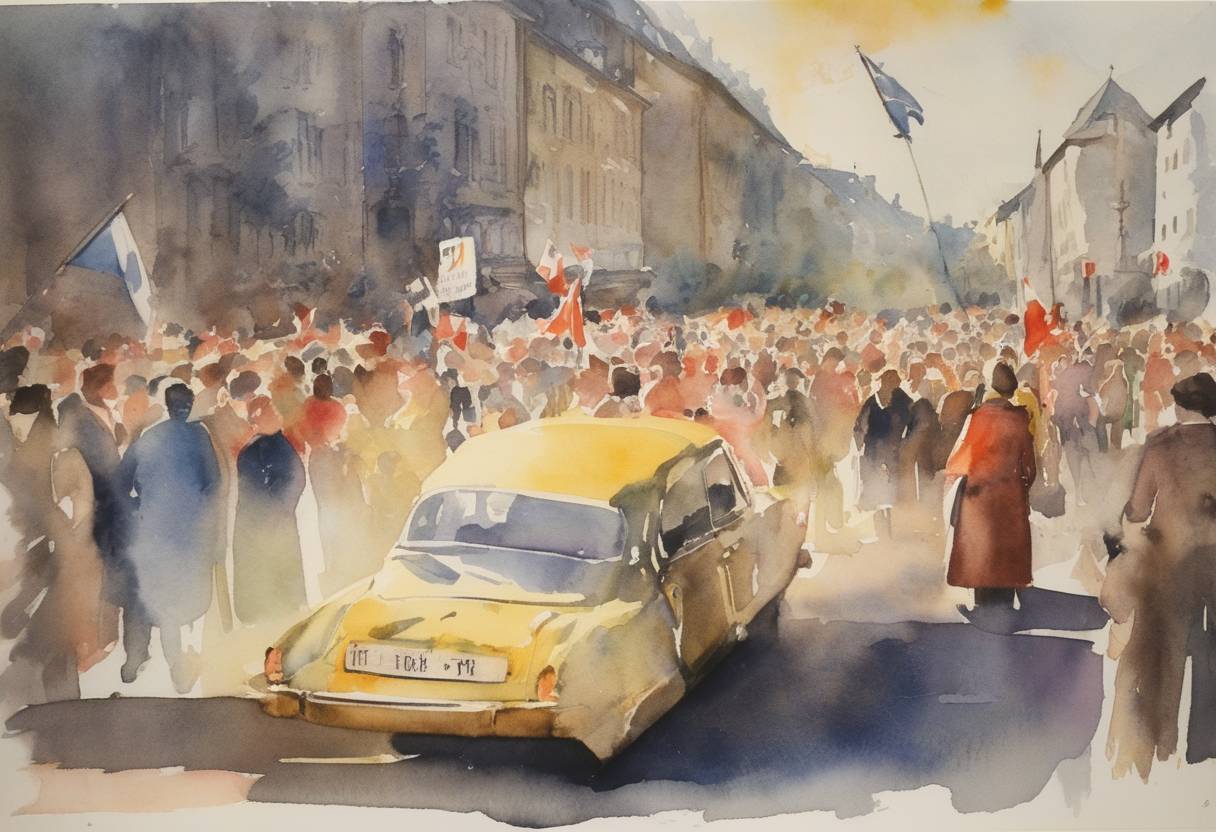
On February 7, 1971, Switzerland held a pivotal national referendum that resulted in the majority of Swiss men voting to grant women the right to vote in federal elections. This marked a historic advancement in women’s rights within the country, coming nearly a century after many other democracies had extended suffrage to women.
Switzerland’s path to women’s suffrage was notably protracted, with previous national efforts to secure voting rights for women failing. The Swiss political landscape was traditionally conservative, with a strong emphasis on direct democracy, which required any constitutional change to be approved by male voters. Prior to 1971, women’s suffrage had been successfully implemented only at the cantonal level in a few areas, beginning with Vaud and Neuchâtel in the late 1950s.
The referendum held on February 7, 1971, proposed an amendment to the Swiss federal constitution to allow women to vote in federal matters. It followed intensive campaigns by women’s rights activists and growing international pressure, as Switzerland remained one of the last Western democracies to deny women voting rights at the national level.
The passage of the referendum allowed Swiss women to vote in federal elections and stand for federal offices, significantly altering the social and political fabric of the nation:
This landmark decision significantly aligned Switzerland with international human rights practices and underscored a shift in societal attitudes toward gender equality. The victory was not just a triumph for Swiss women but also a pivotal moment reflecting broader global movements towards gender equity and democratic inclusivity.
Source: www.britannica.com