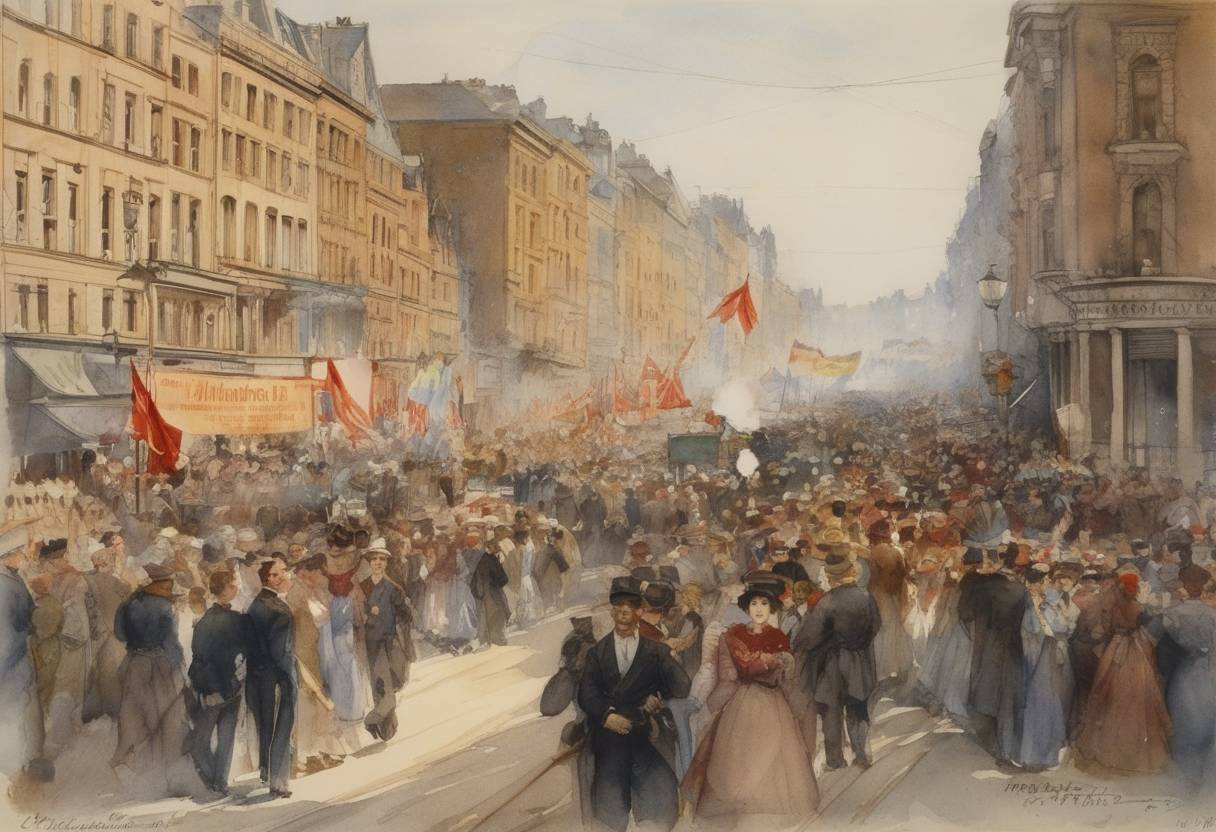
International Workers’ Day (May Day) - First Official Celebration on May 1, 1894
International Workers’ Day, commonly known as May Day, is celebrated on May 1 each year as a day to honor workers and the labor movement’s contributions to society. Its roots lie in the late 19th century during a period of significant labor unrest and agitation for better working conditions worldwide.
Origin and Establishment
The initial seeds of May Day were sown during the Haymarket affair, a key incident in the history of labor movements. On May 4, 1886, a labor protest in Chicago advocating for the eight-hour workday turned violent when a bomb was thrown at police, resulting in deaths and injuries. The subsequent crackdown and controversial trial of labor activists galvanized the movement worldwide.
The formal establishment of May Day as International Workers’ Day came from the Second International, an organization of socialist and labor parties, during its inaugural meeting in 1889. They declared May 1 as a day to honor workers in memory of the Haymarket affair, aiming to reinforce the demand for an eight-hour workday and other labor rights.
First Official Celebration: May 1, 1894
The first official celebration of International Workers’ Day on May 1, 1894, marked a critical recognition of the labor struggle on a global scale. By this time, the movement had gained substantial momentum, and May Day was observed by workers’ groups and socialist parties in numerous countries. The day was characterized by marches, demonstrations, and various forms of advocacy aimed at improving workers’ rights and conditions.
Historical Significance
Observing May Day in 1894 was significant for multiple reasons:
Global Solidarity: It signified the growing sense of international solidarity among workers, transcending national boundaries to unify under common goals.
Labor Movement Milestone: The official celebration marked a milestone in the labor movement’s history, reinforcing the campaign for the eight-hour day and fair labor practices.
Political Impact: The celebration highlighted the influence of socialist and labor movements, pressuring governments to consider reforms and acknowledge workers’ rights.
Aftermath and Legacy
International Workers’ Day has since become an annual event observed by millions across the world. It continues to serve as a day for advocacy and raising awareness about workers’ rights issues, with its origins rooted deeply in the persistent struggles of the late 19th century labor movements. Despite significant achievements, May Day remains relevant, symbolizing the ongoing fight for equitable labor standards and recognition of workers’ contributions to society.