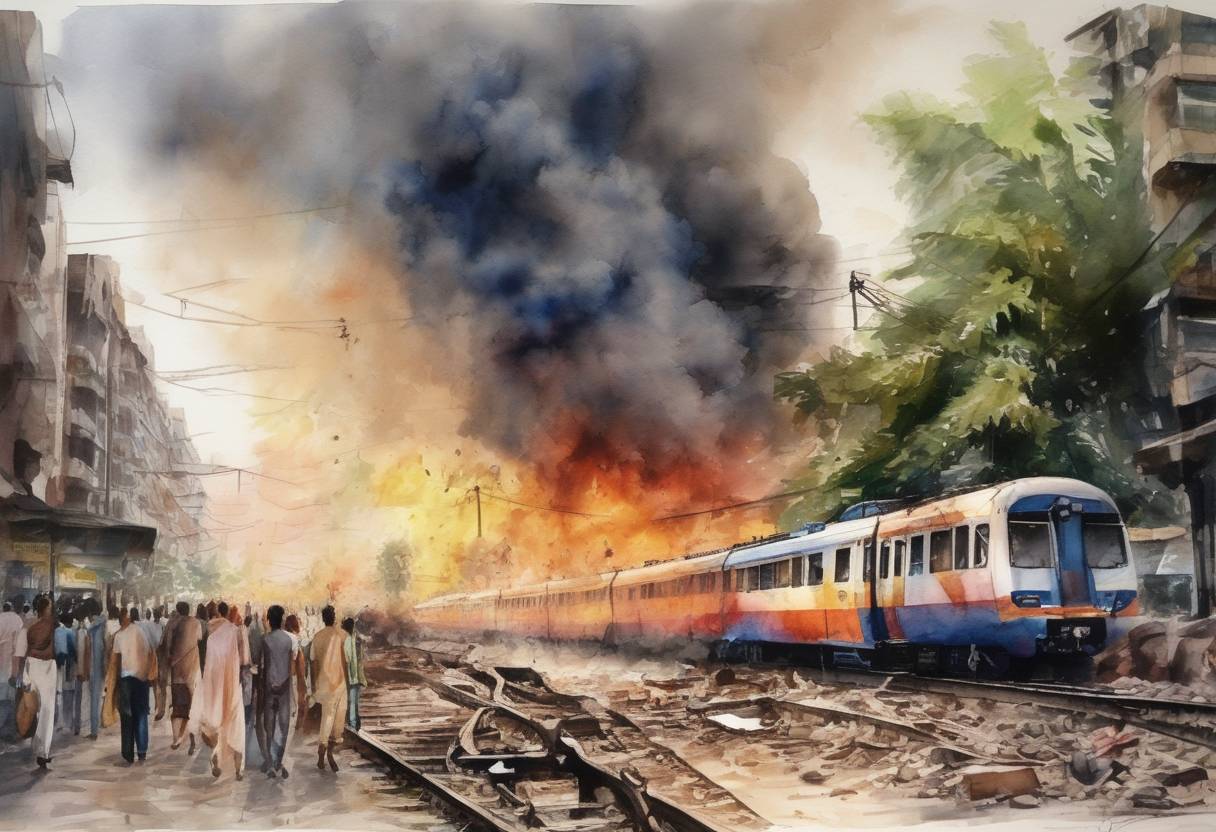
Mumbai Train Bombings - July 11, 2006
On July 11, 2006, a series of coordinated bomb attacks targeted the commuter train system in Mumbai, India. This tragic event is often referred to as the “7⁄11 Mumbai train bombings.” The attacks were meticulously planned and executed, resulting in significant loss of life and widespread injuries.
Overview of the Attacks
- Date: July 11, 2006
- Location: Mumbai, India
- Target: Commuter trains on the Western Line of the Mumbai Suburban Railway
- Casualties: 209 people killed, over 700 injured
- Method: Seven bombs detonated in first-class compartments of trains
- Duration: The explosions occurred over a span of approximately 11 minutes during the evening rush hour.
Details of the Bombings
The bombs were placed in pressure cookers, a method that allowed for maximum destruction and casualties. These devices were hidden in the first-class compartments of the trains, which were crowded with commuters returning home from work. The explosions took place between 6:24 PM and 6:35 PM local time, targeting trains at various stations including Matunga Road, Mahim Junction, Bandra, Khar Road, Jogeshwari, Borivali, and Bhayandar.
- Emergency Services: The response from local emergency services was swift, with police, fire brigades, and medical teams rushing to the scenes to assist victims and control the chaos.
- Public Reaction: The attacks caused widespread panic and fear among the citizens of Mumbai, a city already familiar with the threat of terrorism.
Investigation and Aftermath
- Suspects: The investigation pointed towards the involvement of the militant group Lashkar-e-Taiba, with alleged support from the Students Islamic Movement of India (SIMI). However, the complexity of the case led to multiple arrests and trials over the years.
- Legal Proceedings: In 2015, a special court convicted 12 individuals for their roles in the bombings, sentencing five to death and the others to life imprisonment.
- Security Measures: The attacks prompted a reevaluation of security protocols on public transportation systems across India. Measures were implemented to enhance surveillance and improve emergency response strategies.
Broader Impact
The 7⁄11 Mumbai train bombings underscored the vulnerability of urban centers to terrorist attacks, highlighting the need for international cooperation in combating terrorism. The resilience of Mumbai’s citizens in the aftermath of the attacks was widely noted, as the city quickly resumed its daily activities, demonstrating a collective spirit of defiance against terrorism.
These bombings remain a somber reminder of the challenges faced by nations in ensuring the safety and security of their citizens in the face of extremist threats.