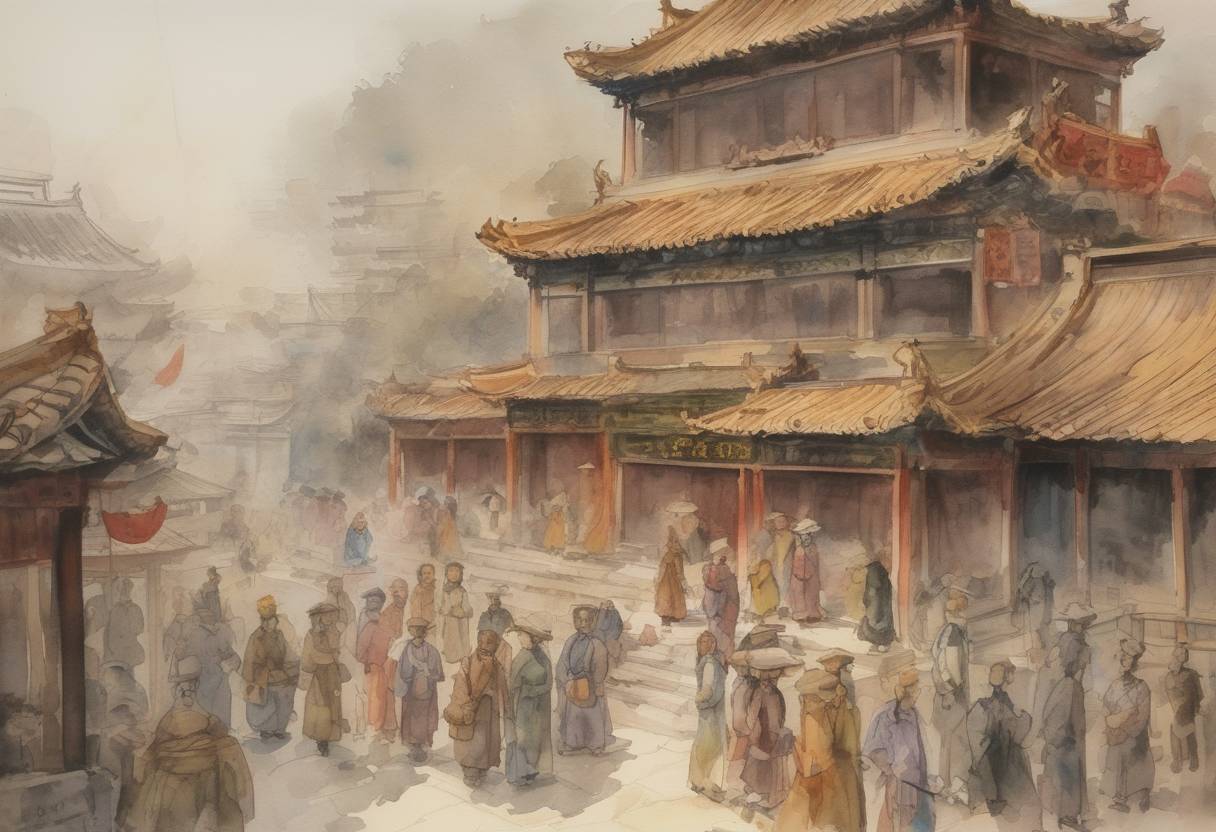
February 11, 1978: China Lifts Ban on Western Literature
On February 11, 1978, China made a significant cultural shift by lifting the ban on works by prominent Western authors such as Aristotle, William Shakespeare, and Charles Dickens. This decision marked a pivotal moment in China’s post-Cultural Revolution era, signaling an openness to Western literature and ideas that had been suppressed for decades.
Historical Context
The Cultural Revolution (1966-1976)
- Initiated by Mao Zedong, the Cultural Revolution aimed to preserve Chinese communism by purging remnants of capitalist and traditional elements from Chinese society.
- During this period, Western literature and art were heavily censored or banned outright, as they were seen as symbols of bourgeois and imperialist influence.
Post-Mao Reforms
- Following Mao’s death in 1976, Deng Xiaoping emerged as a key leader advocating for economic reforms and modernization.
- Deng’s policies, known as the “Reform and Opening Up,” sought to rejuvenate China’s economy and cultural landscape by integrating more with the global community.
The Lifting of the Ban
Significance
- Reintroduction of Western Classics: The decision to allow works by Aristotle, Shakespeare, and Dickens represented a broader acceptance of Western thought and literature.
- Cultural Exchange: This move facilitated cultural exchange and intellectual dialogue between China and the West, contributing to a more diverse and enriched cultural environment.
Impact on Chinese Society
- Educational Reform: The availability of Western literature played a crucial role in reforming China’s educational system, encouraging critical thinking and broader perspectives among students.
- Cultural Renaissance: The lifting of the ban was part of a larger cultural renaissance in China, where art, literature, and academic freedom began to flourish once again.
Broader Historical Significance
- Global Integration: This cultural opening was a precursor to China’s increasing integration into the global economy and international community.
- Legacy of Openness: The decision set a precedent for future cultural and economic policies that emphasized openness and modernization, shaping China’s trajectory in the late 20th and early 21st centuries.
In summary, the lifting of the ban on Western literature on February 11, 1978, was a landmark event in China’s history, reflecting a shift towards openness and modernization that would have lasting effects on the nation’s cultural and intellectual landscape.