The Trial of Adolf Eichmann: April 11, 1961
1961 · Jerusalem, Israel
The trial of Adolf Eichmann, a major organizer of the Holocaust, began in Jerusalem, bringing international attention to Nazi war crimes.
May 23, 1960
The Israeli Prime Minister David Ben-Gurion announced the capture of Nazi war criminal Adolf Eichmann.
Jerusalem, Israel | Mossad
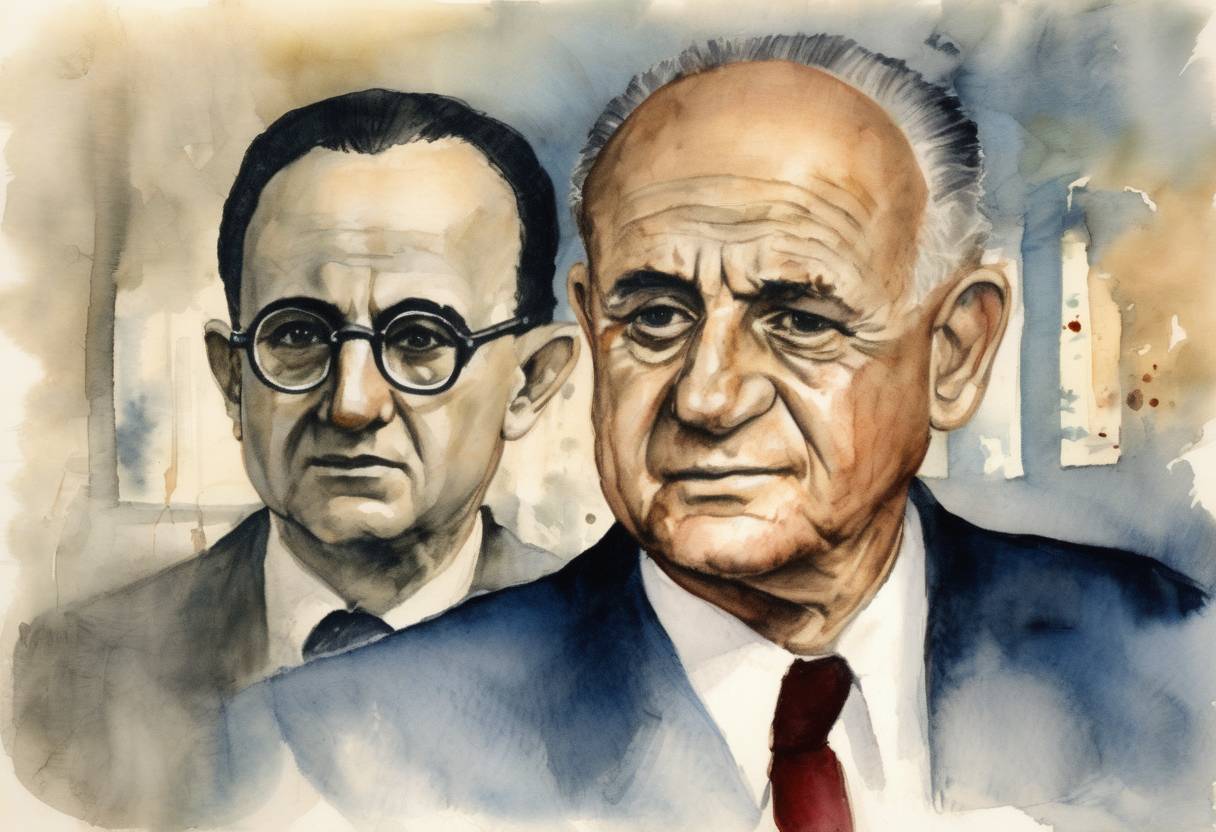
On May 23, 1960, Israeli Prime Minister David Ben-Gurion made a significant announcement to the Knesset, Israel’s parliament: Adolf Eichmann, a key architect of the Holocaust, had been captured and was in Israeli custody. This announcement marked a pivotal moment in post-World War II history and the pursuit of justice for Holocaust atrocities.
Adolf Eichmann was a high-ranking Nazi official and one of the principal organizers of the Holocaust. As head of the Gestapo’s Jewish Affairs section, Eichmann played a central role in the logistics of mass deportation of Jews to ghettos and extermination camps across Nazi-occupied Europe. After the fall of the Third Reich in 1945, Eichmann evaded capture and lived under an assumed identity.
Eichmann fled to Argentina, a country that became a haven for many former Nazis due to its relatively lax immigration policies and lack of extradition treaties. Living under the alias Ricardo Klement, Eichmann managed to remain hidden for several years. However, in 1960, Israeli intelligence agency Mossad, with information from various sources, including Holocaust survivor Lothar Hermann and his daughter Sylvia, tracked Eichmann down.
On May 11, 1960, Mossad agents captured Eichmann in a covert operation in Buenos Aires. He was secretly transported to Israel, where he would stand trial for his crimes against humanity.
Ben-Gurion’s announcement to the Knesset was met with international attention and set the stage for one of the most high-profile war crimes trials in history. Eichmann’s trial began in April 1961 in Jerusalem, where he faced 15 charges, including crimes against humanity, war crimes, and membership in an outlawed organization.
The trial was a landmark event, bringing to light the horrors of the Holocaust through the testimonies of survivors and extensive documentation. It was one of the first trials to be widely televised, bringing global awareness to the atrocities committed during the Holocaust.
Eichmann was found guilty on all counts and was sentenced to death. He was executed by hanging on June 1, 1962, marking the only civil execution ever carried out in Israel.
The capture and trial of Adolf Eichmann had profound implications. It underscored the commitment of the international community to hold perpetrators of genocide accountable, regardless of the time elapsed since their crimes. The trial also played a crucial role in Holocaust education and remembrance, ensuring that the voices of survivors were heard and documented for future generations.
Ben-Gurion’s announcement and the subsequent trial highlighted the importance of justice and the enduring impact of the Holocaust on global consciousness.
Source: en.wikipedia.org