Suicide Bombing at Domodedovo International Airport - January 24, 2011
2011 · Moscow, Russia
A suicide bombing at Domodedovo International Airport in Moscow killed 37 people and injured over 180, highlighting ongoing security challenges in Russia.
March 29, 2010
Two female suicide bombers attack the Moscow Metro during the morning rush hour, killing 40 people and injuring over 100 others.
Moscow, Russia | none
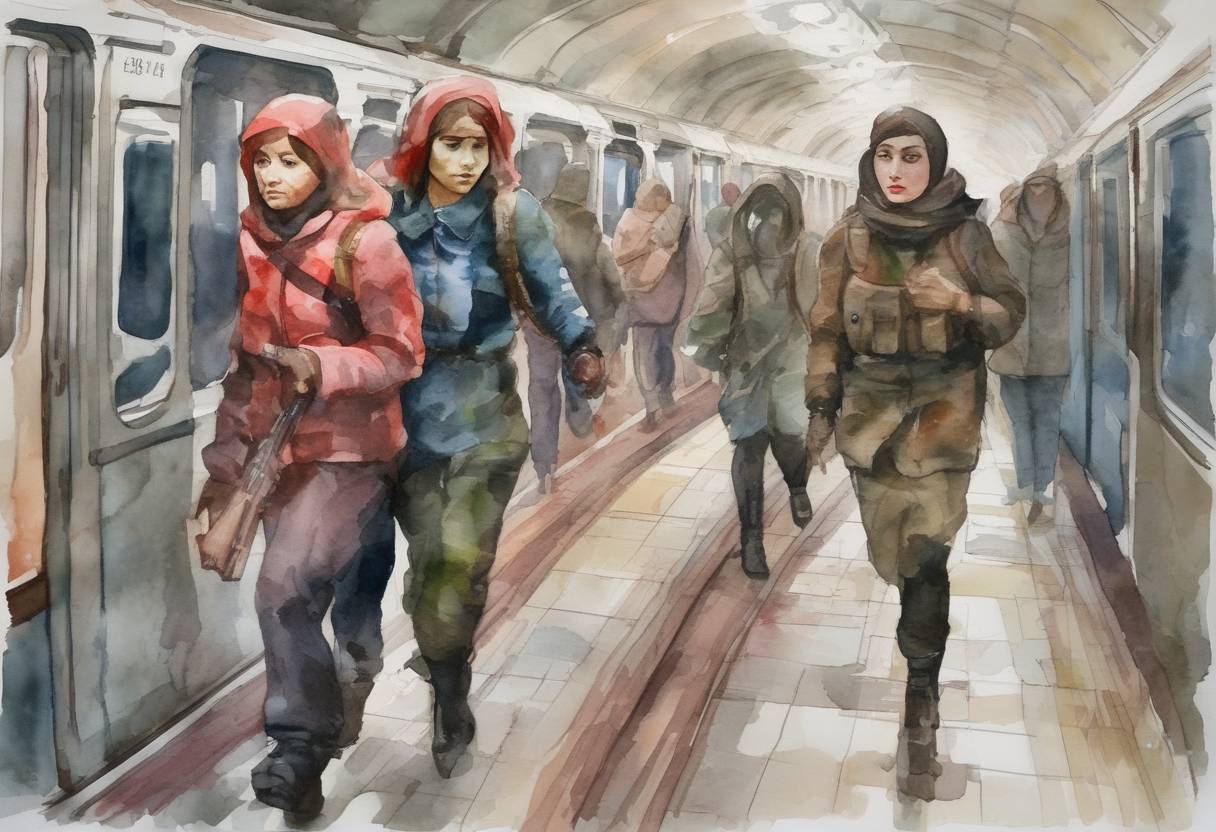
On March 29, 2010, Moscow experienced a devastating terrorist attack during the morning rush hour when two female suicide bombers detonated explosives on the Moscow Metro. This tragic event resulted in the deaths of 40 people and injuries to over 100 others, marking one of the deadliest attacks in the Russian capital in recent years.
The attacks were attributed to the ongoing conflict in the North Caucasus region, particularly involving Chechen separatists and Islamist militants. The region had been a source of instability and violence for Russia, with insurgents seeking independence or greater autonomy from Russian control. The bombings were seen as a continuation of the violence that had plagued the area for years, spilling over into the heart of Russia.
Location and Timing: The bombings occurred at two central metro stations during the peak of the morning commute. The first explosion took place at the Lubyanka station at approximately 7:56 AM local time. The second explosion followed about 40 minutes later at the Park Kultury station.
Execution: Both attacks were carried out by female suicide bombers, often referred to as “Black Widows,” a term used for women who had lost male relatives in the Chechen conflicts and were motivated by revenge.
Casualties: The bombings resulted in 40 fatalities and over 100 injuries, overwhelming emergency services and causing widespread panic among commuters.
Response: Russian authorities quickly launched an investigation, and security was heightened across Moscow and other major cities. The attacks prompted a massive security operation aimed at preventing further incidents.
Political and Social Reactions: The bombings led to a renewed focus on Russia’s counter-terrorism strategies and highlighted the persistent threat posed by insurgents from the North Caucasus. The Russian government, led by then-Prime Minister Vladimir Putin, vowed to intensify efforts to combat terrorism.
International Condemnation: The international community condemned the attacks, expressing solidarity with Russia and offering support in combating terrorism.
The 2010 Moscow Metro bombings underscored the ongoing challenges Russia faced in dealing with separatist and extremist violence. They highlighted the vulnerabilities of urban centers to terrorist attacks and the complexities involved in addressing the root causes of such violence. The incident also reinforced the need for comprehensive security measures and international cooperation in the fight against terrorism.
The bombings remain a somber reminder of the human cost of conflict and the enduring impact of regional instability on national and global security.
Source: www.bbc.com