August 12, 1833

The city of Chicago was incorporated as a town. At its incorporation, the population was around 350, and it was located in what was then part of the Michigan Territory. Chicago would eventually develop into one of the largest cities in the United States.


Chicago, United States | Government of Chicago
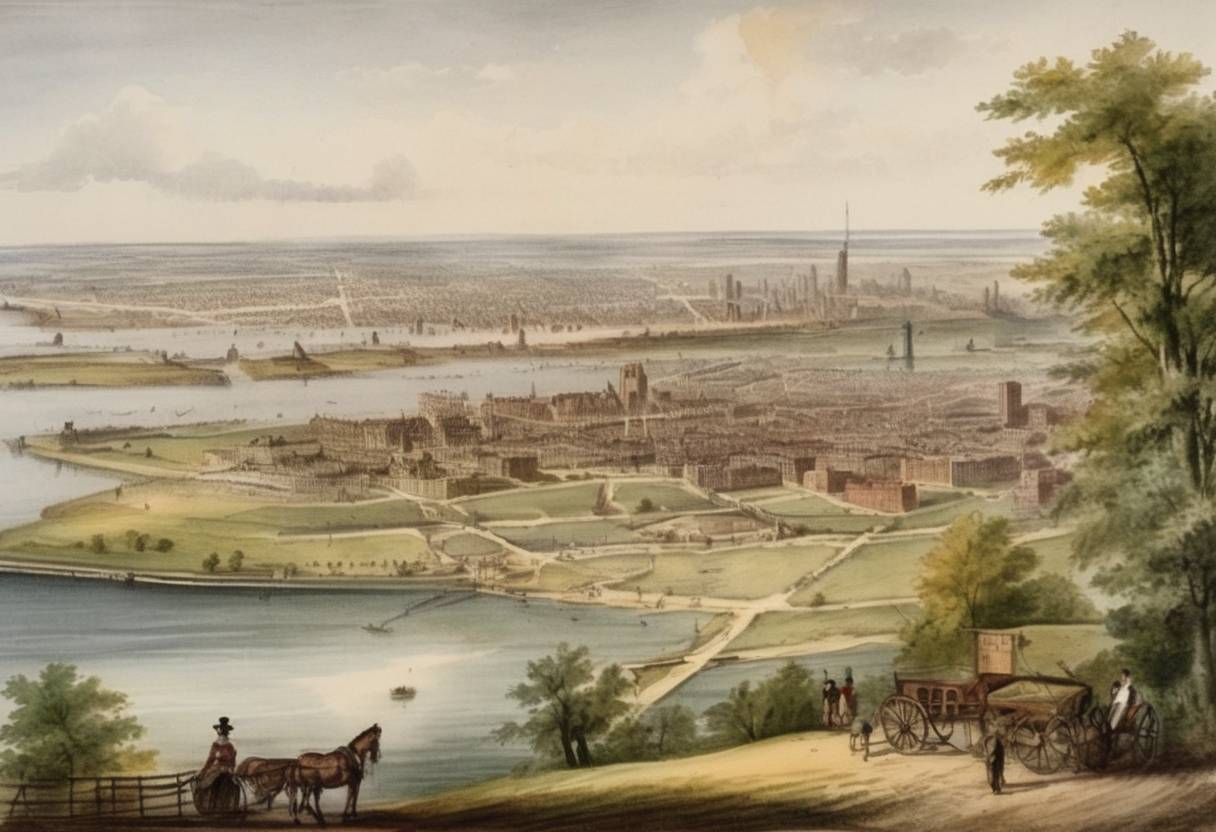
Watercolor painting based depiction of The city of Chicago was incorporated as a town. At its incorporation, the population was around 350, and it was located in what was then part of the Michigan Territory. Chicago would eventually develop into one of the largest cities in the United States. (1833)

Incorporation of Chicago as a Town

On August 12, 1833, the city of Chicago was officially incorporated as a town. At the time of incorporation, the area where Chicago was established was part of the Michigan Territory, which played a crucial role in the development of the region due to its strategic location.

Population and Early Development

  • Population: At incorporation, Chicago had approximately 350 residents. This small settlement laid the foundation for what would eventually become one of the largest and most significant urban centers in the United States.
  • Location: Situated at the southwestern shore of Lake Michigan, the location was pivotal for trade and transportation, particularly as it sat near crucial waterways that facilitated commerce.

Context and Historical Significance

  • Michigan Territory: The region was originally part of the Michigan Territory, which was a short-lived administrative region in the Great Lakes area. The organization and expansion of territories were common in the early 19th century in the United States, as the nation expanded westward.
  • Initial Growth Factors: The incorporation was driven by the area’s potential as a hub for trade and its proximity to various indigenous trade routes. The completion of the Illinois and Michigan Canal in the subsequent years confirmed this potential by connecting the Great Lakes to the Mississippi River system.

Consequences and Legacy

  • Urban Development: Following its incorporation, Chicago grew rapidly, driven by transportation advancements and economic opportunities. The city’s population boomed, and significant developments in railroads and industry further spurred urban growth.
  • Modern-day Significance: Today, Chicago is known for its cultural institutions, architectural innovations, diverse population, and economic influence. It remains a central geographic and economic point in the Midwest.

The incorporation of Chicago as a town on August 12, 1833, marked the beginning of its transformation from a modest outpost into a major metropolitan center. Its journey from a small settlement to a bustling urban giant highlights the dynamic shifts in population, industry, and culture characteristic of American urban development.

Source: www.chicago.gov