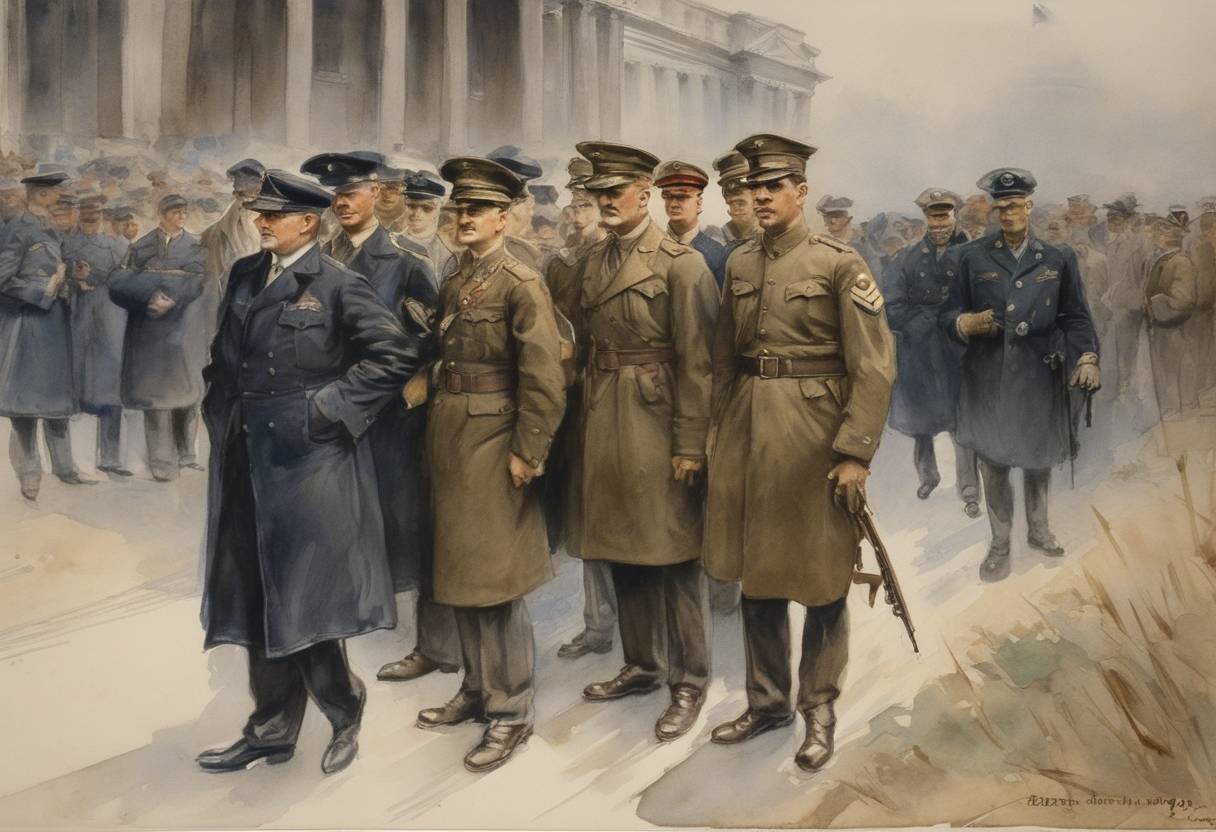
The Selective Service Act of 1917
On May 18, 1917, the United States Congress passed the Selective Service Act, marking a pivotal moment in the nation’s military history during World War I. This legislation authorized the federal government to raise a national army through conscription, fundamentally transforming the way military forces were assembled in the U.S.
Context and Prelude
With the outbreak of World War I in 1914, the U.S. initially adopted a stance of neutrality under President Woodrow Wilson. However, as the war progressed, various factors including the interception of the Zimmermann Telegram and unrestricted submarine warfare by Germany pushed the U.S. closer to involvement. By April 1917, the U.S. entered the war, but the existing military force was inadequate for the demands of a large-scale conflict in Europe.
Provisions of the Act
The Selective Service Act of 1917 empowered the President to draft men into military service, ranging from 21 to 30 years of age. It required all eligible men to register for the draft, irrespective of their socio-economic status. This was a significant departure from previous practices, primarily volunteer-based, and was designed to ensure a fair and equal method of raising military forces.
Implementation and Impact
The enforcement of the Selective Service Act led to the registration of about 10 million men shortly after its enactment. The act was managed by local draft boards, which handled the complicated task of determining fitness for service, exemptions, and deferments. Over the course of the war, approximately 2.8 million men were drafted into the armed forces.
Broader Historical Significance
The implementation of the Selective Service Act in 1917 set a precedent in U.S. military and social policy. It demonstrated the federal government’s ability to mobilize the nation rapidly for war, balancing societal needs with military necessity. Conscription during WWI paved the way for subsequent drafts in future conflicts, shaping the military strategy of the U.S. for decades.
The act not only helped build a robust military presence in Europe, contributing to the eventual Allied victory, but also spurred changes in American society, including debates on civil liberties and the role of government. It would be revisited in different forms for World War II and subsequent military engagements, reaffirming its lasting influence on American military policy.