Coup Attempt in Niger - April 1, 2021
2021 · Niamey, Niger
A coup attempt occurs in Niger when a military group unsuccessfully tries to take over the presidential palace two days before the new president, Mohamed Bazoum, was due to be sworn in.
July 30, 2009
The Nigerien government issues an arrest warrant for opposition leader Mahamadou Issoufou.
Niamey, Niger | Government of Niger
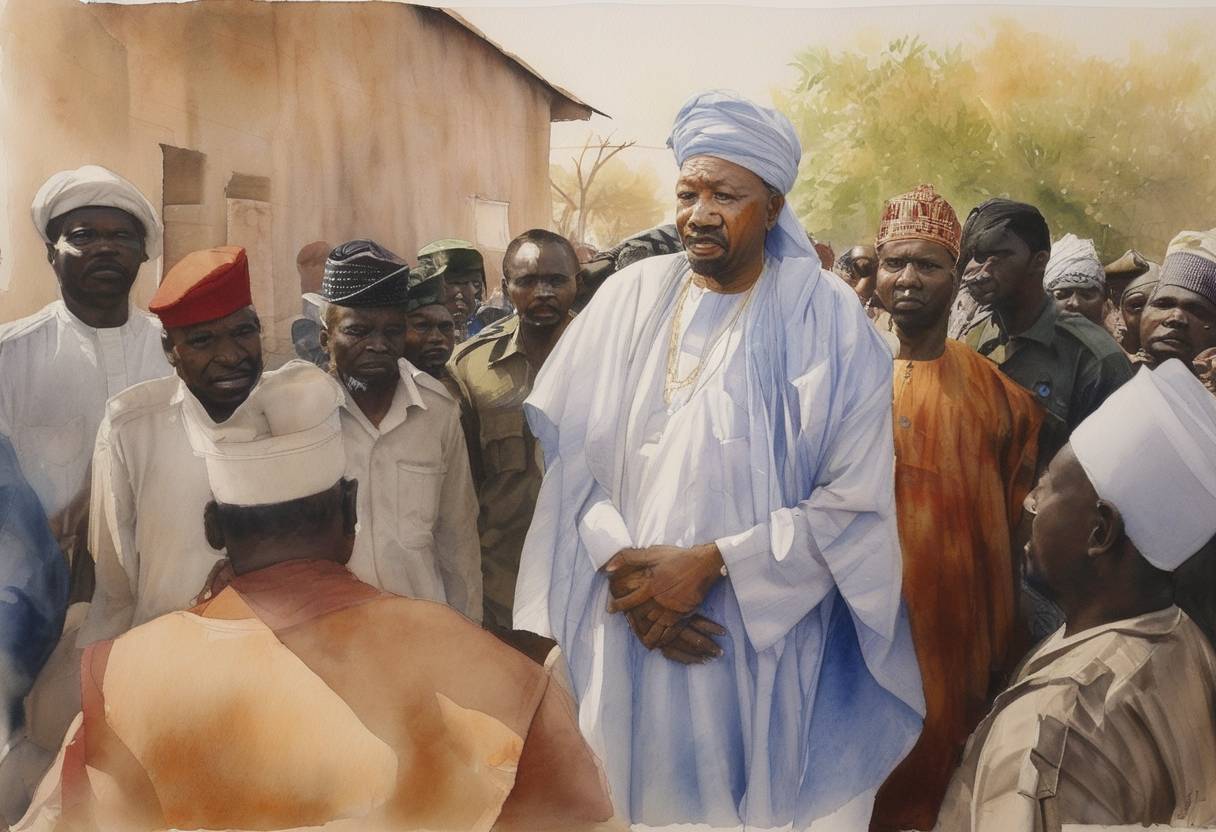
On July 30, 2009, the government of Niger issued an arrest warrant for Mahamadou Issoufou, a prominent opposition leader and former prime minister. At the time, Issoufou was the leader of the Nigerien Party for Democracy and Socialism (PNDS-Tarayya), which was a major opposition party in the country.
The arrest warrant came amid a contentious political climate in Niger. President Mamadou Tandja, who was in power since 1999, was seeking to extend his rule beyond the two-term limit set by the constitution. Earlier that year, Tandja had dissolved the National Assembly and scheduled a controversial referendum to revise the constitution, enabling him to remain in power for an additional three years without elections.
The opposition, including Issoufou, strongly criticized these moves as unconstitutional and undemocratic, sparking widespread protests and political tension within the country. Issoufou, as a key figure in the opposition, was vocal in denouncing Tandja’s attempts to consolidate power.
The arrest warrant against Issoufou was widely perceived as an attempt to silence dissent and was condemned by international human rights organizations. This move intensified political unrest and led to increased scrutiny from the international community regarding Niger’s political trajectory.
Issoufou evaded arrest and continued his political activities, becoming a symbol of resistance against Tandja’s attempts to entrench his presidency. The political turmoil eventually culminated in a military coup in February 2010 that ousted Tandja, after which a transitional government was established. Mahamadou Issoufou later ran for president and was elected in the 2011 general elections, marking a significant political shift in Niger.
Source: www.france24.com