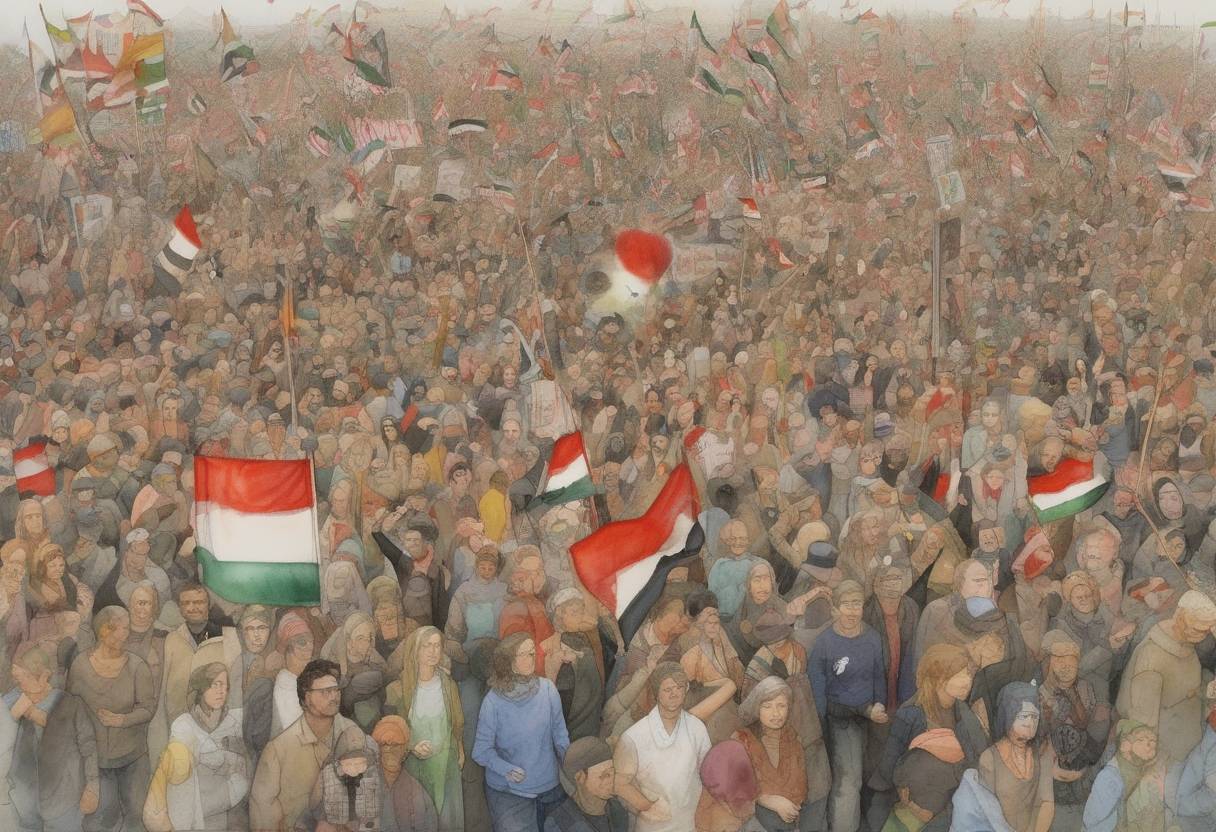
Global Protests Against the Iraq War - February 15, 2003
On February 15, 2003, millions of people across the globe participated in coordinated protests against the impending invasion of Iraq by the United States and its allies. This day marked one of the largest anti-war demonstrations in history, reflecting widespread public opposition to military action.
Context Leading Up to the Protests
Background: The protests were primarily a response to the U.S. government’s push for military intervention in Iraq, led by President George W. Bush. The administration claimed that Iraq possessed weapons of mass destruction (WMDs) and posed a significant threat to international security.
UN Involvement: The United Nations had been involved in inspections to verify the existence of WMDs in Iraq. However, these inspections had not conclusively proven the presence of such weapons, leading to international debate over the legitimacy of a preemptive strike.
Diplomatic Tensions: Many countries, including key allies of the U.S., expressed skepticism about the necessity and legality of the invasion. The lack of a UN mandate for military action further fueled global dissent.
The Protests
Scale and Scope: On February 15, 2003, protests took place in over 600 cities worldwide. Estimates suggest that between 6 to 10 million people participated, making it one of the largest coordinated protests in history.
Major Demonstrations:
- London: Approximately 1 to 2 million people marched through the streets, making it one of the largest protests in British history.
- Rome: Around 3 million people gathered, marking the largest protest in Italy’s history.
- New York City: Hundreds of thousands of demonstrators rallied, despite freezing temperatures and heightened security measures.
- Other Cities: Significant protests also occurred in cities like Berlin, Paris, Madrid, Sydney, and Tokyo.
Diverse Participation: The protests drew a diverse crowd, including students, families, veterans, religious groups, and political organizations, all united in their opposition to the war.
Aftermath and Historical Significance
Impact on Policy: Despite the massive turnout, the protests did not prevent the invasion. The U.S.-led coalition began military operations in Iraq on March 20, 2003.
Legacy: The February 15 protests are remembered as a significant moment in global civil society, demonstrating the power of grassroots movements and the widespread desire for peaceful solutions to international conflicts.
Continued Debate: The invasion of Iraq and its aftermath have been subjects of ongoing debate, particularly regarding the intelligence used to justify the war and its long-term consequences for the region and global politics.
In summary, the February 15, 2003, protests were a landmark event in the history of global activism, showcasing the collective voice of millions advocating for peace and diplomacy over military intervention.